Wire is one of the most essential inventions in human history. It serves as the invisible thread that powers homes, connects cities, and drives global communication. From the electrical wiring in your walls to the fiber optic cables transmitting data across oceans, wire plays a vital role in keeping our modern world running smoothly.
In a simple sense, a wire is a thin, flexible strand of metal or other conductive material used to carry electricity or data. Yet, behind this simplicity lies a complex world of innovation, engineering, and science that has transformed how humans live and interact. Today, wires connect our lights, computers, and even satellites—proving that these slender strands are truly the backbone of modern civilization.
The History And Evolution of Wire Technology
The story of wire dates back thousands of years. Ancient Egyptians and Sumerians were among the first to use drawn metal wire around 2000 BCE, primarily for jewelry and decorative arts. However, it wasn’t until the 18th and 19th centuries—during the Industrial Revolution—that wire became an industrial essential.
The invention of the telegraph in the 1830s marked a turning point. Miles of copper and iron wires were strung across continents, transmitting messages in seconds instead of days. Later, the telephone, electricity, and radio all depended on wire networks to function. As the world advanced, so did wire technology—improving in materials, insulation, and design.
In the 20th century, wires made their way into every aspect of life, from homes and factories to cars and airplanes. The introduction of fiber optic technology in the 1970s revolutionized communication once again, allowing information to travel at the speed of light through thin strands of glass or plastic. This evolution continues today as engineers develop smarter, more efficient, and eco-friendly wiring solutions for the digital age.
Different Types of Wires And Their Applications
Wires come in many forms, each designed for a specific purpose. Understanding the differences helps explain how deeply they’re woven into our technological world.
Electrical Wires
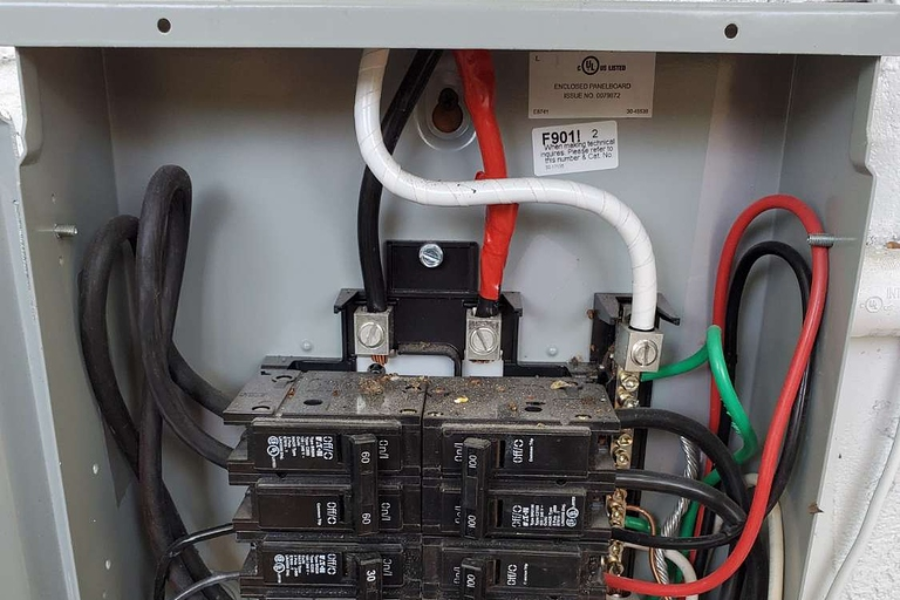
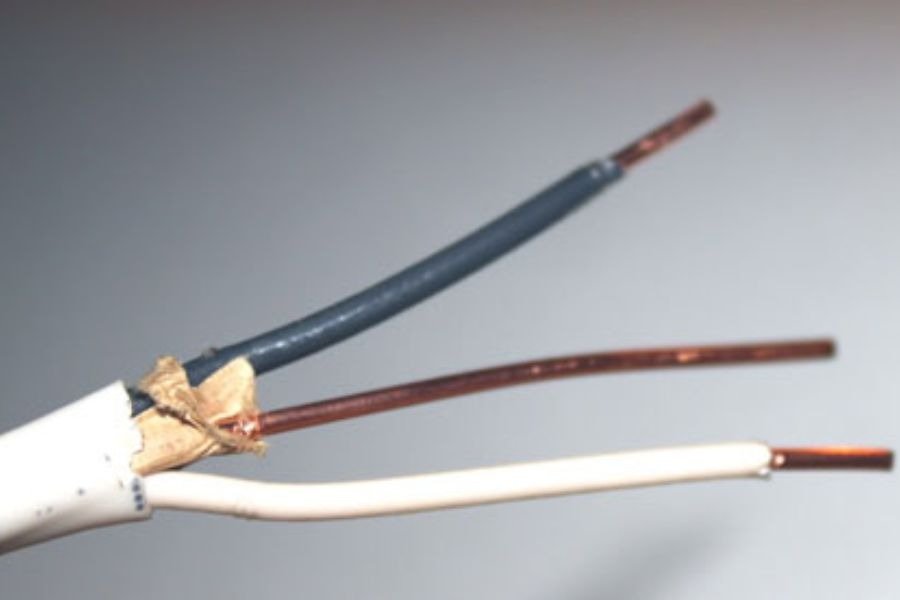
Electrical wires are the most common type, used to transmit power in homes, offices, and industries. These are usually made of copper or aluminum due to their excellent conductivity and flexibility. Insulated with materials like PVC or rubber, they ensure safety and reliability in electrical systems.
Communication Cables
From telephone lines to internet networks, communication cables are designed to carry signals rather than electrical power. Coaxial cables, twisted pairs, and fiber optics fall under this category. Fiber optic cables, in particular, have transformed data transmission by using light instead of electricity—enabling high-speed internet and global connectivity.
Automotive And Aerospace Wiring
In cars, planes, and spacecraft, wiring systems manage everything from lighting and sensors to navigation and control systems. These wires are built to withstand extreme temperatures, vibrations, and environmental conditions.
Construction And Industrial Wiring
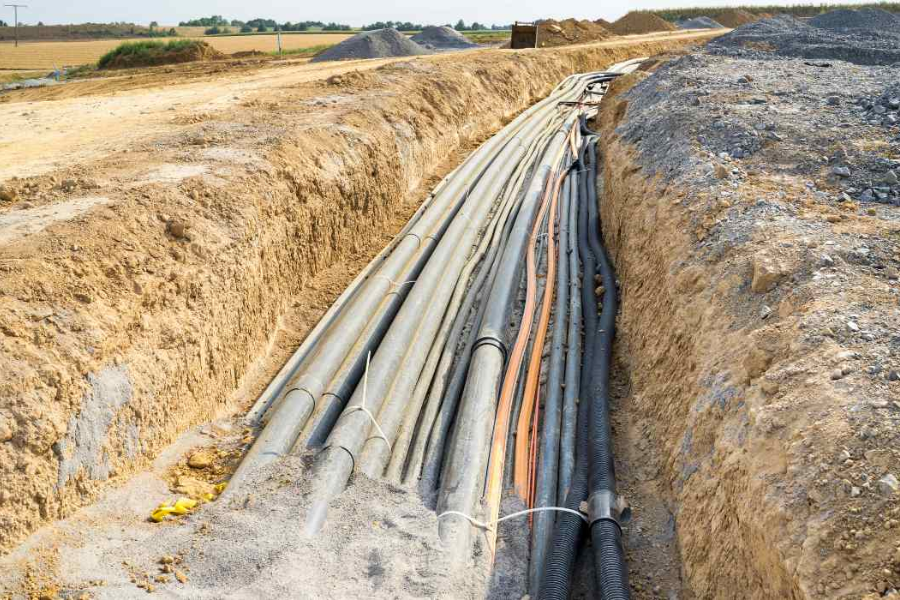
Heavy-duty cables used in construction, power plants, and machinery deliver high voltage safely and efficiently. These wires are often armored and insulated to prevent damage from harsh conditions.
Specialty Wires
Special wires, such as superconducting or resistance wires, serve advanced scientific, medical, and industrial purposes. Superconducting wires, for example, are used in MRI machines and magnetic levitation systems due to their near-zero electrical resistance.
The Science of Conductivity And Materials Used
The ability of a wire to carry current depends on its conductivity—a measure of how easily electrons can flow through it. Conductivity is influenced by both the material and the temperature.
Conductive Materials
- Copper: The most widely used material, prized for its excellent conductivity, durability, and resistance to corrosion.
- Aluminum: Lighter and cheaper than copper, though less conductive. Common in power transmission lines.
- Silver: The best conductor of electricity but rarely used due to its high cost.
- Gold: Highly resistant to corrosion, often used in precision electronics and connectors.
Insulation and Protection
Insulation materials like plastic, rubber, or Teflon prevent current leakage and protect users from electric shocks. Advanced coatings also protect wires from heat, moisture, and chemical exposure.
The Science Behind Conductivity
When a voltage is applied to a wire, electrons move through the material’s atomic lattice. Metals conduct electricity well because their outer electrons are loosely bound and can move freely. Innovations like superconductors push this concept even further—eliminating resistance entirely under certain conditions, which leads to almost loss-free energy transfer.
Innovations Shaping the Future of Wiring
The future of wire technology is being reshaped by groundbreaking innovations that aim to make systems faster, lighter, and more sustainable.
Fiber Optic Technology
Fiber optic cables have revolutionized global communication. Using light instead of electrical current, these cables can transmit massive amounts of data across continents with minimal loss. They are the foundation of high-speed internet, cloud computing, and 5G networks.
Superconducting Wires
Superconductors offer almost zero electrical resistance, allowing power to travel with near-perfect efficiency. Although they require extremely low temperatures, researchers are developing high-temperature superconductors that could revolutionize energy grids, transportation, and medical imaging.
3. Smart Materials And Self-Healing Wires
Future wires may be able to repair themselves or adapt to environmental conditions. Smart polymers and nano-composite materials can detect damage and automatically restore conductivity, reducing maintenance costs and improving reliability.
Wireless Power And Hybrid Systems
While technically not “wire,” wireless power transfer technologies are changing how we think about connections. From smartphone chargers to electric vehicles, the concept of contactless energy transmission complements traditional wired systems, offering flexibility and convenience.
Environmental Concerns and Sustainable Production
While wire technology drives innovation, it also raises environmental challenges. Mining metals like copper and aluminum can damage ecosystems, and producing insulation materials consumes energy and creates waste. However, modern industries are taking steps to make wire production more sustainable.
Recycling And Reuse
Copper and aluminum are highly recyclable without losing quality. Recycling reduces the demand for raw materials, conserves energy, and cuts emissions significantly.
Eco-Friendly Insulation
Manufacturers are developing biodegradable or halogen-free insulation materials to minimize toxic emissions during production and disposal.
Energy-Efficient Manufacturing
Automation and clean energy are transforming wire factories, lowering their carbon footprint and improving efficiency.
Reducing E-Waste
With the rise of electronic devices, wire waste has become a major concern. Global initiatives now focus on responsible recycling and repurposing of cables to reduce landfill impact.
Conclusion
From ancient metal strands to fiber optic marvels, wire has continuously evolved to meet the demands of each technological era. It powers our homes, fuels industries, and connects billions of people across the globe. Even in an age of wireless innovation, the humble wire remains indispensable—a silent force holding our digital and physical worlds together.
As we move toward a future shaped by renewable energy, smart cities, and global data networks, the importance of sustainable and advanced wire technology will only grow. Wires not only conduct electricity—they conduct progress, innovation, and human connection. Truly, wire is the thread that weaves the fabric of modern civilization.
FAQs
1. What is a wire and what is it used for?
A wire is a thin, flexible strand of metal that conducts electricity or signals. It is used in homes, vehicles, electronics, and industries to transmit power, data, or mechanical force.
2. What materials are most commonly used in making wires?
The most common materials used in wire production are copper and aluminum because of their excellent conductivity and durability. Silver and gold are also used in high-end or specialized applications.
3. How can you tell which wire is positive and which is negative in a 12V system?
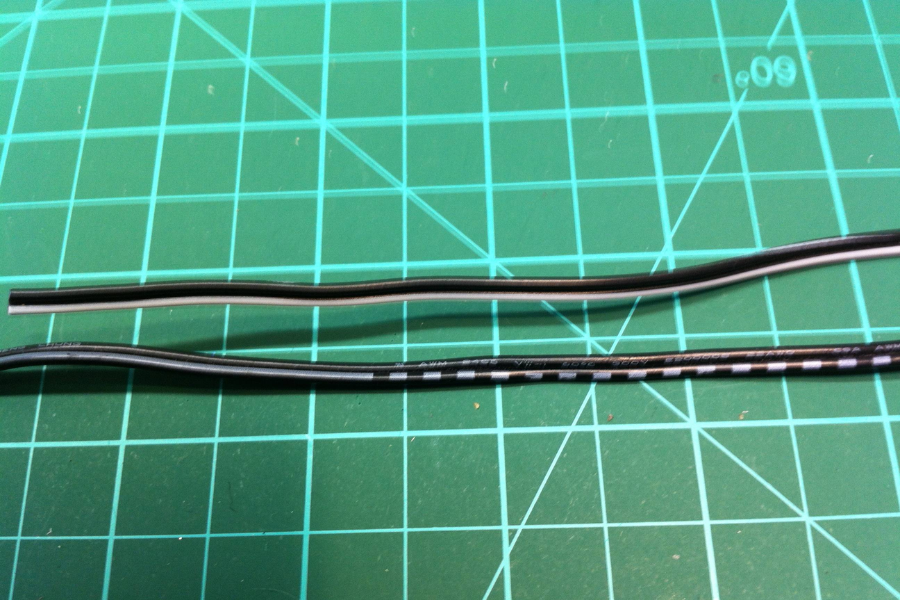
In most 12V systems, the black wire is negative (-) and the white wire is positive (+). However, it’s always best to confirm using a multimeter or wiring diagram since color codes can vary by region or manufacturer.
4. What is the difference between a wire and a cable?
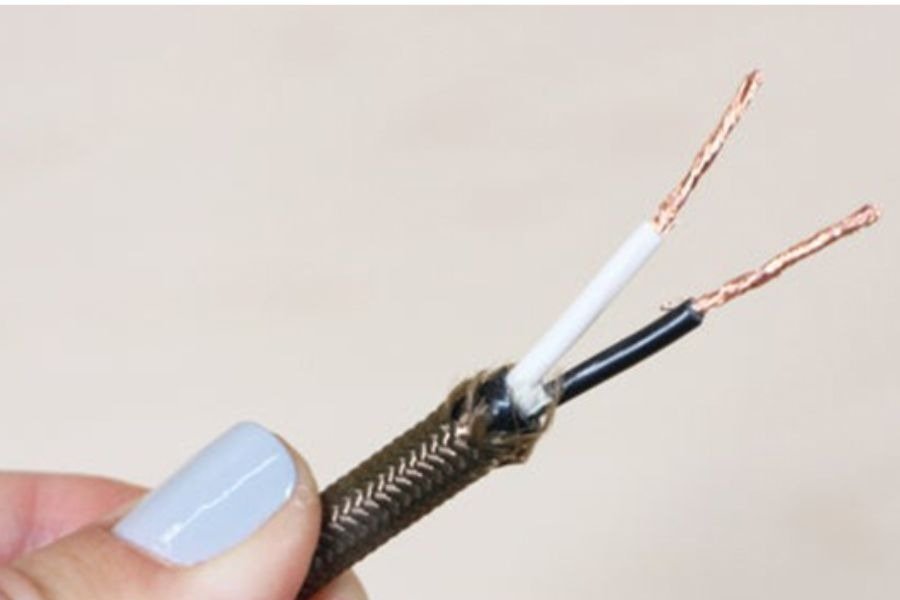
A wire is a single conductor, while a cable is made up of two or more insulated wires bundled together. Cables are typically used for more complex electrical or data transmission tasks.
5. Why is copper wire preferred over aluminum wire?
Copper wire is preferred because it has higher electrical conductivity, greater flexibility, and better resistance to corrosion compared to aluminum. It’s more reliable for household and industrial wiring.
6. What is fiber optic wire used for?
Fiber optic wire, or fiber optic cable, uses light to transmit data instead of electricity. It’s used in telecommunications, internet networks, and broadcasting due to its high speed and low signal loss.
7. What are the main types of electrical wires?
The main types of electrical wires include solid wire, stranded wire, and coaxial wire. Each type is suited for different uses—solid wire for fixed installations, stranded wire for flexibility, and coaxial for data transmission.
8. What are superconducting wires?
Superconducting wires are made from materials that have almost zero electrical resistance when cooled to extremely low temperatures. They are used in MRI machines, power transmission, and magnetic levitation systems.
Stay connected for more tech tips, trends, and updates — only on techzloop.com