From the smallest electronic device to massive industrial machinery, wire plays a silent yet indispensable role in powering and connecting our modern world. Whether it’s an electrical wire transferring energy to a winch or fiber optic cables sending light-speed data across continents, wire technology remains the foundation of human progress.
When we think about how to wire a winch with a toggle switch, we’re not just dealing with a simple electrical task, we’re engaging with centuries of innovation in materials, conductivity, and connectivity. The same principles that power a small winch motor also drive the global energy grid, telecommunications systems, and even electric vehicles. This article explores not only how to wire a winch safely and efficiently, but also how wire itself has evolved to become one of the most critical inventions in human history.
The History and Evolution of Wire Technology
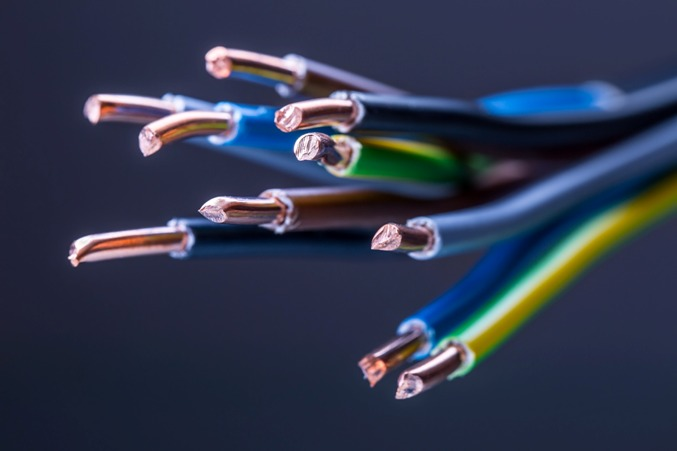
The story of wire begins thousands of years ago. Ancient civilizations used gold and copper strands for jewelry, but soon realized these metals could conduct electricity. By the late 19th century, when inventors like Edison and Tesla were shaping the modern electrical era, electrical wire became the backbone of innovation.
In the early days, wire was made purely from copper due to its excellent conductivity and malleability. Over time, as industries expanded, aluminum wires gained popularity for being lightweight and cost-effective. The 20th century introduced insulated wire, coaxial cable, and eventually fiber optic cables, revolutionizing data transmission.
Today, wires are more advanced than ever. From superconducting materials used in quantum computing to nanowires used in biomedical devices, the concept of wire has evolved from simple strands of metal into high-tech tools of global connectivity. Whether you’re learning how to wire a winch with a toggle switch or installing fiber optics, you’re benefiting from centuries of technological evolution.
How to Wire a Winch with a Toggle Switch
Before we dive deeper into the science and innovation behind wire, let’s look at a practical application that showcases its importance wiring a winch with a toggle switch. A winch is a powerful device used to pull, lift, or tow heavy objects, and proper wiring ensures it operates safely and efficiently.
Step 1: Understanding the Components
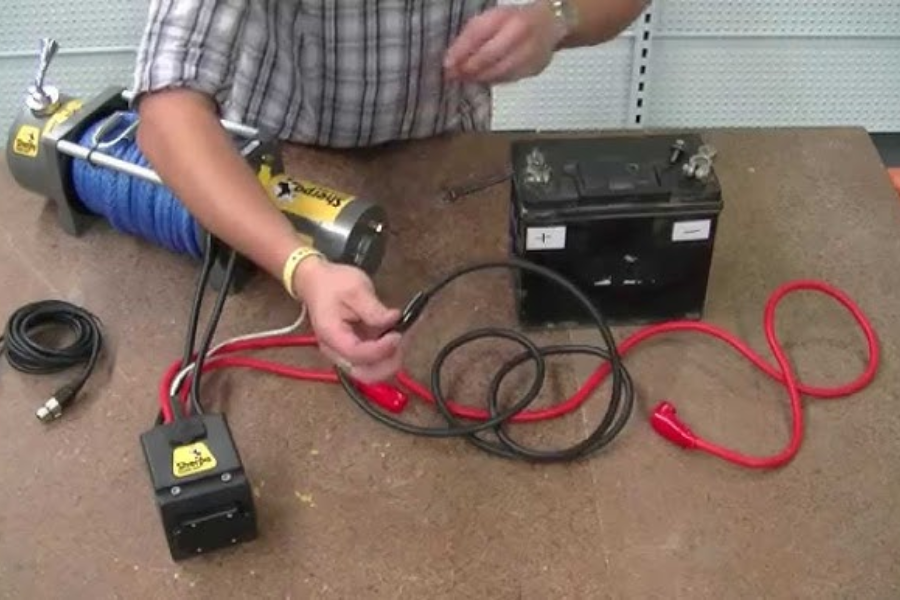
To wire a winch with a toggle switch, you’ll need:
- A 12V or 24V winch motor (depending on your setup)
- A toggle switch (three-position, momentary on/off/on preferred)
- Electrical wire (preferably copper, heavy-gauge for high current)
- Relay or solenoid (optional but recommended for safety)
- Fuse or circuit breaker
- Battery or power source
- Ring terminals, connectors, and heat-shrink tubing
The toggle switch acts as a control mechanism, allowing you to change the direction of the winch (in or out).
Step 2: Safety First
Before starting, disconnect your battery. Never handle electrical wires connected to live power. Wear insulated gloves and ensure your wiring area is dry and clean.
Step 3: Connecting the Power Wires
Locate the positive (red) and negative (black) terminals on the winch motor.
- Run a positive wire from the battery’s positive terminal to the winch solenoid input.
- Connect the negative wire from the battery’s negative terminal directly to the winch’s ground terminal.
- Use thick, high-quality copper cable to minimize resistance and ensure maximum conductivity.
Step 4: Wiring the Toggle Switch
- Mount the toggle switch in an accessible location, usually near the operator’s position.
- Identify the three terminals on the switch power input, winch in, and winch out.
- Connect one terminal to the positive feed through a fuse (for safety).
- The remaining two terminals go to the winch motor’s control, one for spooling in, one for spooling out.
- Secure all connections with insulated terminals to prevent short circuits.
Step 5: Testing the Winch
Reconnect the battery and test the toggle switch.
- In one direction, the winch should spool in.
- In the other, it should spool out.
- In the center position, the winch should stop.
If it doesn’t work correctly, double-check all connections. Faulty wiring or poor grounding is the most common cause of malfunction.
Step 6: Securing and Protecting the Wiring
Use wire loom or conduit to protect the electrical wires from abrasion and heat. Apply zip ties to keep the layout neat and organized. Finally, double-check for any loose terminals before putting the system into full operation.
Learning how to wire a winch with a toggle switch teaches more than mechanical skill; it demonstrates how crucial proper wiring is for performance, safety, and longevity.
Different Types of Wires and Their Applications
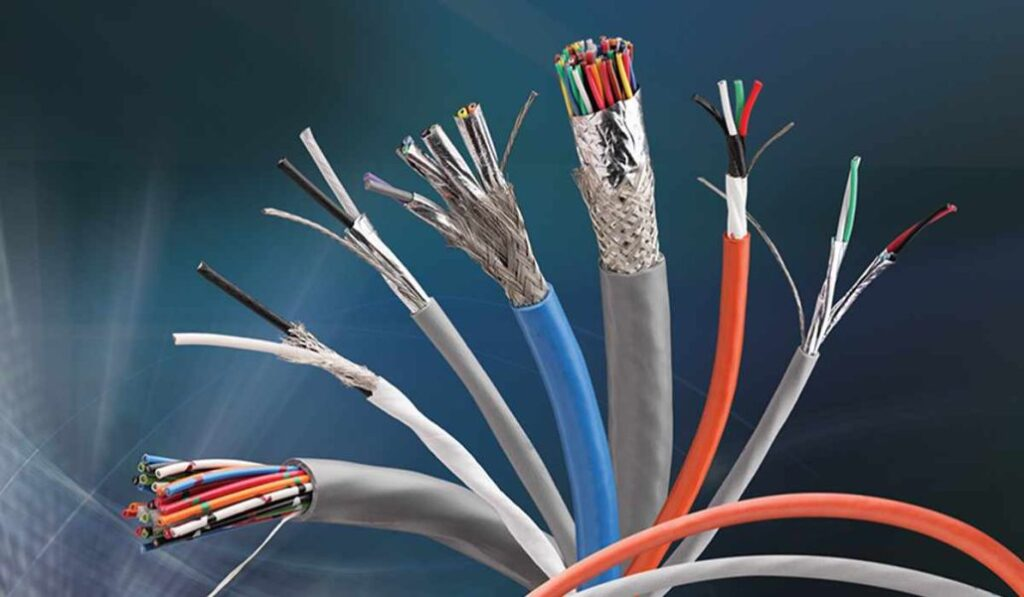
Wire is far more diverse than many realize. Its type, material, and structure determine how effectively it can transmit power or data.
1. Electrical Wire
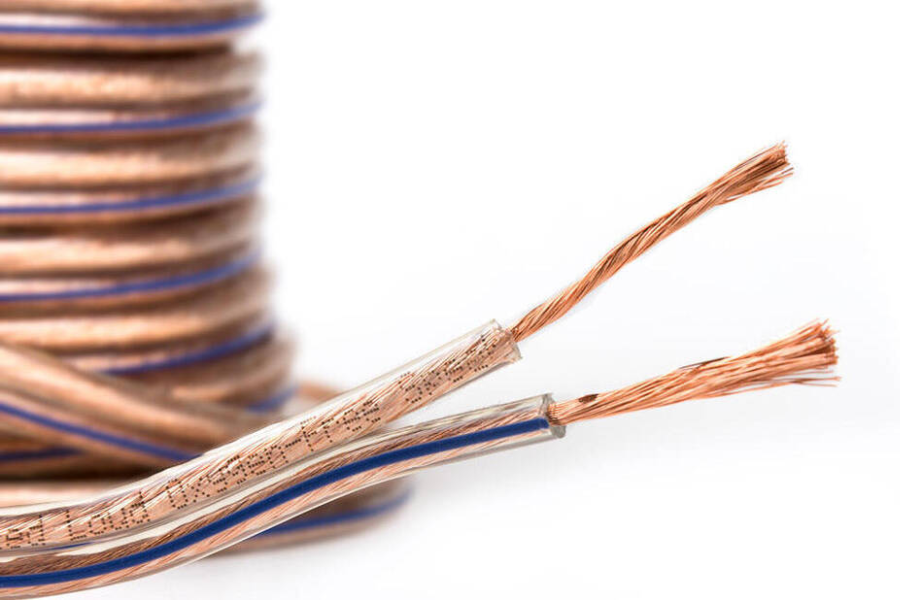
Used for carrying current in homes, vehicles, and machinery. Copper is the most common material because of its high conductivity and durability.
2. Communication and Fiber Optic Wire
These wires carry information rather than electricity. Fiber optic cables use light signals instead of electrons, enabling ultra-fast internet and global data transfer.
3. Coaxial and Signal Wire
Used in televisions, antennas, and audio systems to transmit clear signals with minimal interference.
4. Magnetic and Resistance Wire
Specialized types used in motors, heaters, and electromagnets.
Whether it’s for how to wire a winch with a toggle switch, or setting up an entire solar grid, choosing the right wire type ensures both safety and efficiency.
The Science of Conductivity and Materials Used
Conductivity, the ability of a material to allow electrons to flow, is the heart of wire technology. Metals like copper, silver, and gold are excellent conductors because their atomic structures let electrons move freely.
Copper wire remains the industry standard due to its balance of cost, flexibility, and performance. However, aluminum wire is often used in large-scale applications where weight matters, such as aircraft or high-voltage lines.
The insulation surrounding electrical wire also plays a vital role. Materials like PVC, rubber, and Teflon protect against short circuits, moisture, and temperature fluctuations.
When you learn how to wire a winch with a toggle switch, understanding conductivity helps you choose the right wire gauge. A thicker wire carries more current with less resistance, preventing overheating and ensuring consistent power delivery.
Innovations Shaping the Future of Wiring
The world of wire is evolving rapidly, driven by new demands for speed, efficiency, and sustainability.
1. Fiber Optic Cables
Fiber optics replaced traditional copper lines in telecommunications, using light to transmit information at incredible speeds. These cables are thinner, faster, and more efficient than metal wires.
2. Superconducting Wires
Superconductors carry electricity with zero resistance, meaning no energy loss. They’re being developed for advanced computing, MRI machines, and futuristic power grids.
3. Smart and Self-Healing Wires
Emerging smart materials can repair themselves after minor damage or adjust conductivity based on conditions. This innovation could revolutionize automotive and aerospace wiring systems.
4. Eco-Friendly Materials
Scientists are exploring biodegradable wire coatings and recyclable conductors to reduce environmental impact.
These innovations might not seem directly linked to how to wire a winch with a toggle switch, but they share the same underlying principles: improving safety, reliability, and performance through better connectivity.
Environmental Concerns and Sustainable Production

Wire production consumes vast amounts of metals, plastics, and energy. Mining for copper and aluminum can cause ecological damage, while discarded cables contribute to e-waste.
Modern manufacturers are addressing this challenge through:
- Recycling copper and aluminum from old wires
- Reducing plastic insulation waste by using eco-friendly alternatives
- Designing energy-efficient manufacturing processes
Sustainability in wiring doesn’t just apply to large industries. Even when you wire a winch with a toggle switch, you can use recycled copper wire or environmentally safe insulation to make a difference.
Conclusion
Wire is more than just a conduit for electricity; it’s a symbol of human connection and innovation. From the early days of telegraph lines to today’s fiber optic networks, wire has continuously evolved to meet the world’s growing need for communication, automation, and power.
Learning how to wire a winch with a toggle switch may seem like a small task, but it reflects a much larger story, one of ingenuity, progress, and sustainability. Whether you’re pulling a heavy load, powering a city, or streaming across the internet, it all comes down to one timeless invention: the wire.
As technology advances, wire will continue to transform, integrating smart materials, superconductors, and sustainable designs that redefine how we connect our world. From rugged winch systems to high-speed data highways, wire remains quite literally the thread that ties modern civilization together.
FAQs
1. What do I need to wire a winch with a toggle switch?
You’ll need a toggle switch, power wires, connectors, a fuse, and a battery.
2. Can I wire a winch directly to the battery?
Yes, but always include a fuse or circuit breaker for safety.
3. What wire gauge should I use?
Use 4,6 AWG copper wire for most 12V winches.
4. Why use a toggle switch?
It allows easy control to spool the winch in or out safely.
5. How can I test my wiring?
Reconnect the battery and toggle the switch the winch should move in both directions.
Keep an eye for more latest news & updates on techzloop.com!