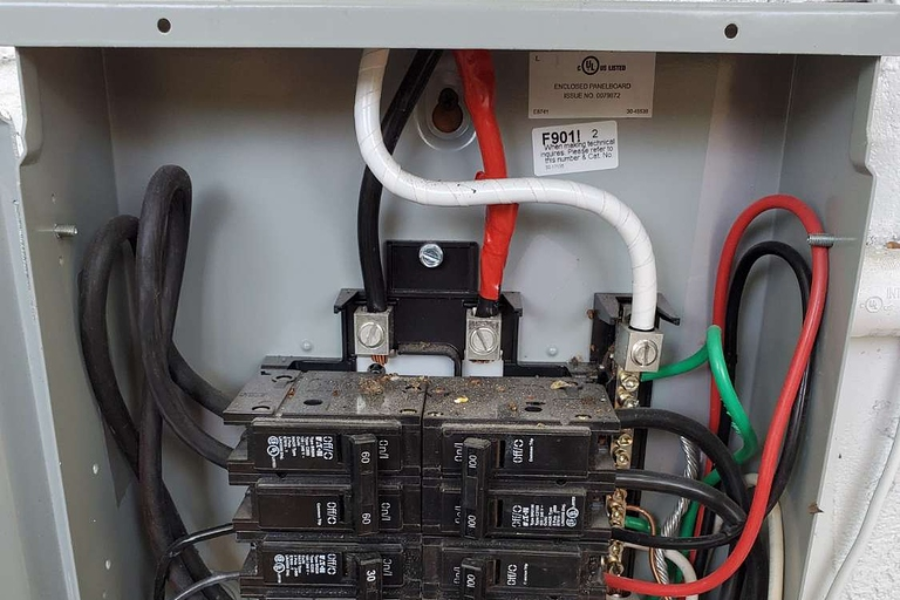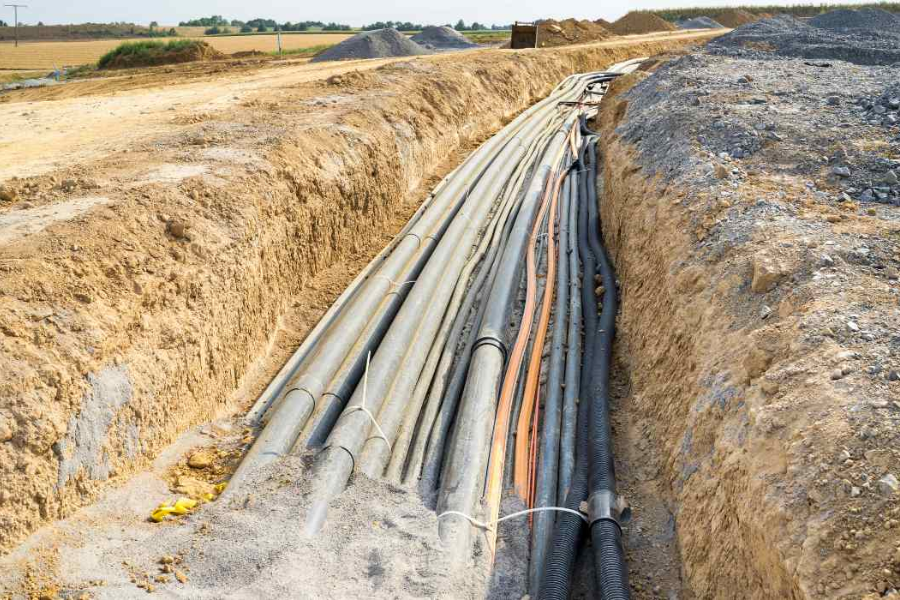
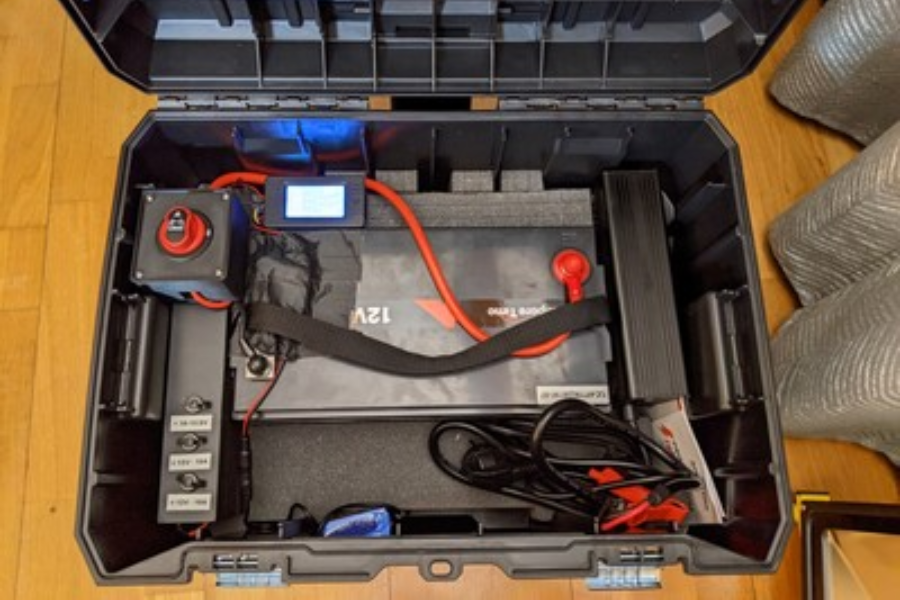
From the power that lights up our homes to the energy that drives electric vehicles, wire plays a vital role in connecting our modern world. Every device, machine, and network depends on wire technology to transmit power or data safely and efficiently. Whether you’re setting up solar batteries, connecting a winch, or building a telecommunications system, the right wire determines performance and safety.
A common question among DIYers and professionals alike is: “Is 2 AWG wire ok for connecting 12V 100Ah batteries?” The short answer is yes but understanding why and when it’s suitable requires a deeper look into wire science, materials, and innovation. This article explores that and more, highlighting how wire technology continues to shape human progress.
The Journey and Advancement of Wire Technology

The story of wire stretches back thousands of years, beginning with ancient civilizations like the Egyptians and Romans, who crafted gold and copper wires for ornaments and art. Over time, as human innovation grew, so did the purpose of wire. It was in the 19th century, during the rise of electricity, that wire transformed from a decorative material into a vital component of modern infrastructure. The invention of the telegraph, telephone, and electric lighting ignited a revolution in wire manufacturing, with copper quickly emerging as the top choice due to its excellent conductivity and flexibility.
Later, aluminum gained popularity for large-scale power lines because it was lightweight and cost-effective. Today, wire has evolved far beyond simple metal strands from fiber optic cables transmitting data at light speed to superconducting wires that achieve near-zero resistance. Modern wire technology now stands at the heart of innovation in communication, energy, transportation, and automation, connecting the world in ways early inventors could only imagine.
Different Types of Wires and Their Applications
Wires come in various materials, designs, and sizes each suited to specific applications. Understanding these differences helps explain why 2 AWG wire is ok for connecting 12V 100Ah batteries and where it fits in the bigger picture.
- Electrical Wire: Used in homes, vehicles, and machines to transmit power. Copper is most common for its efficiency and durability.
- Communication Cable: Includes twisted pair and coaxial cables, used for phone lines and data transmission.
- Fiber Optic Cable: Uses glass or plastic fibers to transmit light signals for high-speed internet and telecommunications.
- Automotive and Battery Wires: Designed to handle high current in 12V or 24V systems. These wires are often multi-stranded for flexibility and better conductivity.
When connecting 12V 100Ah batteries, a 2 AWG wire is generally a solid choice. It can handle currents up to around 100–150 amps depending on the distance, which aligns well with typical battery setups used in solar systems, RVs, and backup power units.
The Science of Conductivity and Materials Used
At the heart of wire technology lies conductivity, the ability of a material to allow electric current to flow through it. Conductivity depends on the type of material, its purity, and temperature conditions.
- Copper: The gold standard for wiring. It offers low resistance, excellent flexibility, and durability.
- Aluminum: Lighter and cheaper than copper but less conductive. Must be used in larger gauges to carry the same current.
- Silver: The best conductor of electricity but too expensive for regular use.
- Tinned Copper: Copper coated with tin to prevent corrosion, ideal for marine and outdoor environments.
When using 2 AWG wire to connect 12V 100Ah batteries, copper is the ideal choice because it ensures efficient current transfer with minimal voltage drop. In low-voltage DC systems, even a small voltage drop can significantly affect performance, so high-conductivity materials are critical.
Is 2 AWG Wire OK for Connecting 12V 100Ah Batteries?
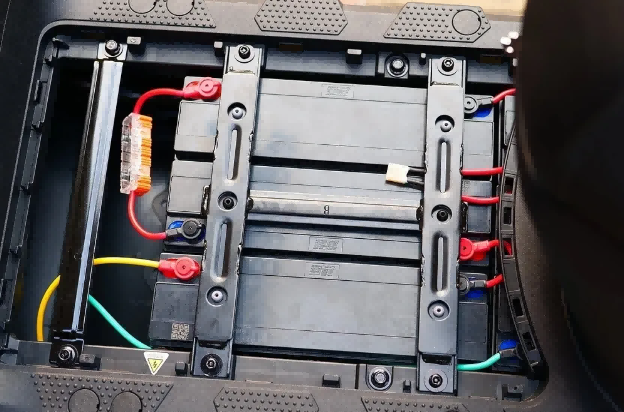
Yes, 2 AWG wire is perfectly fine for connecting 12V 100Ah batteries, especially if the distance between the batteries and the connected device is short. A 12V 100Ah battery can provide up to about 100 amps of current, and 2 AWG copper wire can safely handle that amount without overheating or losing much power. The thicker size of 2 AWG wire helps reduce voltage drop, which means the power travels more efficiently from the battery to your system.
If your cables are longer than 10 feet or your setup uses higher current equipment, you might want to use a thicker wire like 1 AWG or 1/0 AWG for better performance. But for most 12V setups, 2 AWG wire works very well, offering a safe, strong, and efficient connection for your 100Ah battery.
Here’s why:
- A 12V 100Ah battery can theoretically supply 1200 watt-hours (12 volts × 100 amp-hours).
- In practice, it can deliver up to 100 amps continuously.
- 2 AWG wire has a current-carrying capacity (ampacity) of around 95,130 amps depending on insulation and length.
This makes it well-suited for typical 12V systems especially when the wire run is short (under 10 feet). If the distance is longer, voltage drop increases, and a thicker wire such as 1 AWG or 1/0 AWG may be a better choice.
Voltage drop can be estimated using the formula:
Voltage Drop = (Current × Length × Resistance per foot)
Keeping voltage drop below 3% ensures efficient performance and longer battery life.
So, if your cables are short and made of copper, 2 AWG wire is ok for connecting 12V 100Ah batteries safely and efficiently.
Innovations Shaping the Future of Wiring
Wire technology has advanced far beyond traditional metal conductors. Modern innovations are transforming how we transmit power and data globally:
- Fiber Optic Cables: Use light instead of electricity, offering near-zero signal loss and massive bandwidth.
- Superconducting Wires: Operate at extremely low temperatures with no electrical resistance, enabling revolutionary efficiency in power grids.
- Smart Materials: Include self-healing polymers and shape-memory alloys that enhance wire durability and adaptability.
- Nanowires: Ultra-thin conductors used in microelectronics, sensors, and quantum computing.
Even in the world of battery wiring, innovation continues. New flexible copper alloys, corrosion-resistant coatings, and smart monitoring cables make connections safer and more efficient. These breakthroughs ensure that even when you’re connecting a 12V 100Ah battery with 2 AWG wire, you’re part of a much larger evolution of connectivity.
Environmental Concerns and Sustainable Production
Wire manufacturing, like all industrial processes, has an environmental footprint. Mining and refining copper or aluminum consumes energy and generates emissions. However, modern practices are making wire production more sustainable:
- Recycling: Copper and aluminum are both highly recyclable without losing conductivity.
- Energy-efficient smelting: New technologies reduce energy use and greenhouse gas output.
- Eco-friendly insulation: Manufacturers now use halogen-free and biodegradable insulation materials.
- Renewable energy integration: Many factories power production lines with solar or wind energy.
Choosing the right wire isn’t just a technical decision, it’s also an environmental one. By selecting durable, efficient materials and proper sizes (like 2 AWG for 12V batteries), users can minimize waste and energy loss over time.
Practical Tips for Safe Battery Wiring
When working with 12V systems, safety and efficiency go hand in hand. Here are some practical tips:
- Use quality connectors and crimp lugs. Poor connections cause heat buildup and resistance.
- Keep wire lengths as short as possible. The longer the wire, the greater the voltage drop.
- Check insulation rating. Ensure it matches your temperature and voltage requirements.
- Fuse your setup. Always include a fuse or circuit breaker rated slightly above your system’s maximum current.
- Regularly inspect wiring. Look for signs of corrosion, wear, or loose terminals.
Following these steps ensures your 2 AWG wire connection for 12V 100Ah batteries remains safe, efficient, and long-lasting.
The Future of Global Connectivity

As the world shifts toward renewable energy, electric vehicles, and digital communication, wire technology remains at the heart of innovation. From smart grids to 5G networks, advanced cables continue to power human progress.
In off-grid solar systems and portable energy setups, questions like “Is 2 AWG wire ok for connecting 12V 100Ah batteries?” may seem simple but they reflect a broader theme: our reliance on efficient, sustainable, and intelligent wiring systems.
Tomorrow’s wires may be invisible, self-repairing, or even wireless but their purpose will remain the same: connecting people, power, and progress.
Conclusion
From powering homes and vehicles to connecting global communication networks, wire remains one of the most essential inventions in human history. It may seem simple, but without wire, the modern world as we know it couldn’t exist. Whether it’s copper cables delivering electricity or fiber optics carrying data at the speed of light, every connection depends on the strength and reliability of good wiring.
When it comes to battery systems, choosing the right wire is just as important. So, is 2 AWG wire ok for connecting 12V 100Ah batteries? The answer is yes it’s a safe, efficient, and reliable choice for most short-distance setups. Using the right gauge ensures your system runs smoothly, minimizes power loss, and keeps everything operating safely.
As technology advances, wire continues to evolve with smarter materials and eco-friendly designs, making our connections stronger and more sustainable. No matter how advanced the world becomes, one thing will always stay true: wire is the backbone that keeps our modern civilization connected and moving forward.
FAQs
1. Is 2 AWG wire ok for connecting 12V 100Ah batteries?
Yes, it’s suitable for short runs and moderate current loads.
2. What wire type is best for battery setups?
Pure copper or tinned copper is best for conductivity and corrosion resistance.
3. Why is wire gauge important?
It affects current flow, heat generation, and overall safety.
4. Can I use a smaller wire than 2 AWG?
Not recommended—it can overheat and cause voltage drop.
5. How do I calculate wire size?
Use current draw, wire length, and voltage drop percentage to find the right gauge.
Keep an eye for more latest news & updates on techzloop.com!