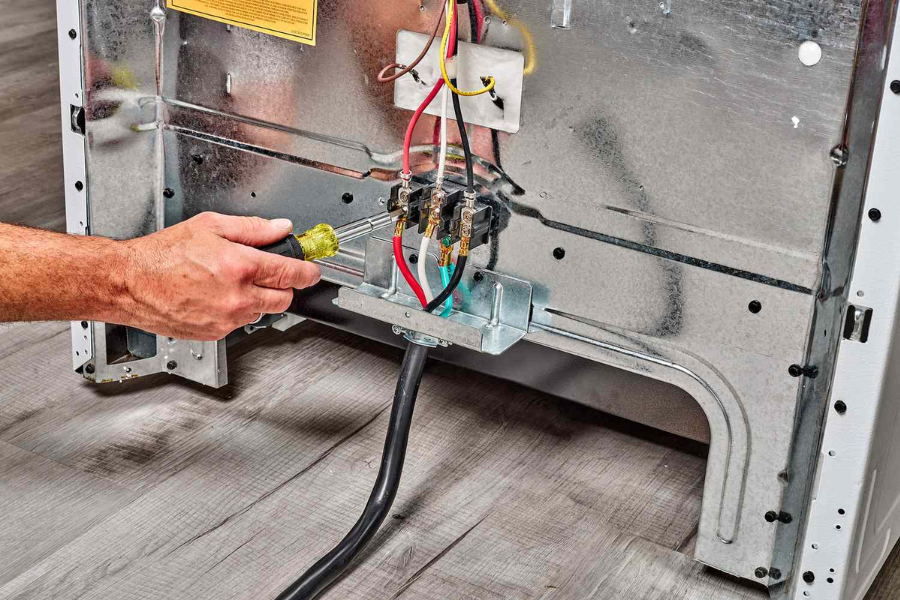
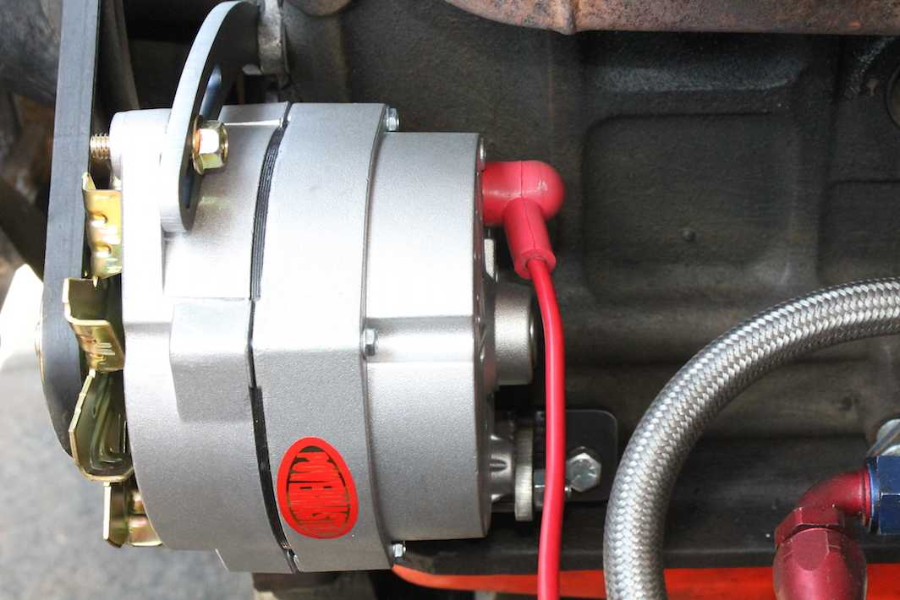
From powering homes and industries to charging electric vehicles and transmitting information across continents, wire plays a silent yet essential role in connecting the modern world. It serves as the backbone of every electrical and electronic system, ensuring energy and data flow seamlessly from one point to another. Whether it’s a thin fiber optic cable carrying internet signals or a thick copper wire transferring current from an alternator to a battery, wire technology is the invisible force that drives innovation, efficiency, and connectivity in today’s fast-paced world.
In the automotive world, one of the most crucial yet often overlooked connections is between the alternator and the battery. The choice of what gauge wire for alternator to battery is not just a technical question it’s a matter of safety, performance, and efficiency. Choosing the correct wire gauge ensures that the electrical system operates without overheating, voltage drops, or damage to critical components. But before understanding this specific application, it’s essential to explore how wire evolved to become such an indispensable part of modern life.
The History and Evolution of Wire Technology
The story of wire begins thousands of years ago, long before the first electric current ever flowed through a conductor. Ancient Egyptians and Mesopotamians used gold and silver wires for jewelry and decorative purposes. These early artisans discovered that metals could be drawn into thin strands, a concept that laid the foundation for modern wire manufacturing.
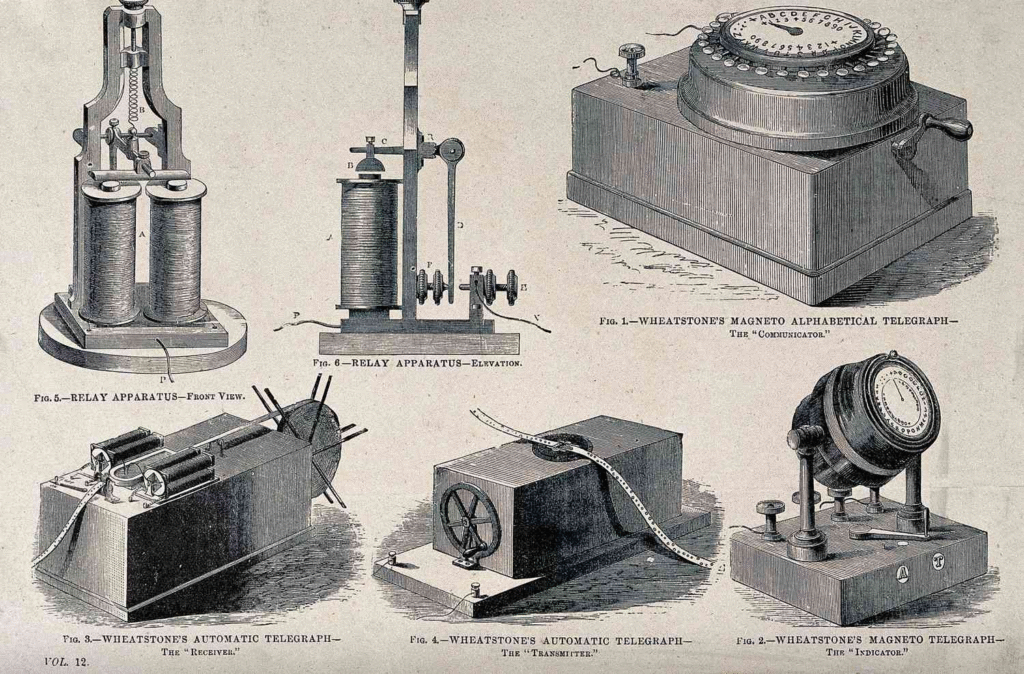
By the 18th and 19th centuries, with the invention of electricity and the rise of the telegraph, wire took on a whole new meaning. Copper quickly emerged as the preferred material due to its exceptional conductivity and flexibility. The industrial revolution accelerated wire production, enabling the mass electrification of cities and the creation of power grids that shaped the modern era.
Fast forward to the 21st century, wire technology has expanded far beyond electrical applications. It now powers digital communication through fiber optics, supports advanced machinery in manufacturing, and plays a key role in renewable energy systems like wind turbines and solar arrays. And in automobiles, it enables everything from headlights to hybrid powertrains, including the vital link between the alternator and the battery.
Different Types of Wires and Their Applications
Wire technology has diversified tremendously over time. Today, wires come in various forms and materials to serve specific applications. Some of the most common types include:
Electrical Wire
Used for power transmission in homes, industries, and vehicles, electrical wires are typically made of copper or aluminum. When it comes to what gauge wire for alternator to battery, most automotive systems use heavy-gauge copper wire to handle high current flow safely.
Communication and Data Cables
These include fiber optic cables and twisted-pair cables used in internet and telecommunication networks. Fiber optics use light signals instead of electrical current, offering high-speed, long-distance data transmission.
Coaxial and Shielded Wires
Used in broadcasting, CCTV, and high-frequency data systems, these wires have multiple layers of insulation and shielding to reduce interference.
Automotive and Marine Wires
Specially designed to withstand vibration, temperature extremes, and corrosion. In cars, marine vessels, and RVs, the alternator-to-battery wire is critical for maintaining battery charge and powering onboard systems efficiently.
Specialty and High-Temperature Wires
Used in aerospace, defense, and heavy industrial settings where durability, insulation, and conductivity must meet extreme standards.
Every type of wire has its role, but they all share a common purpose to transfer energy or information reliably. Understanding the right wire gauge for alternator to battery ensures that power delivery remains stable and efficient even under demanding conditions.
The Science of Conductivity and Materials Used

The heart of wire technology lies in the science of conductivity, the ability of a material to allow electric current to flow through it. Metals like copper, aluminum, and silver are commonly used due to their low resistance and high conductivity.
Copper: The Gold Standard
Copper is the most widely used conductor in both household wiring and automotive systems. It offers excellent conductivity, durability, and flexibility. When deciding what gauge wire for alternator to battery, copper is typically preferred because it can carry higher current loads without overheating or voltage loss.
Aluminum: The Lightweight Alternative
Although not as conductive as copper, aluminum is lighter and cheaper, making it useful in large power transmission lines. However, for short runs like alternator-to-battery connections, aluminum is generally avoided because it’s prone to oxidation and requires larger diameters to handle the same current.
Silver and Advanced Conductors
Silver has even better conductivity than copper but is far more expensive, limiting its use to specialized applications like aerospace or high-frequency electronics. Emerging materials like carbon nanotubes and superconductors promise even lower resistance, potentially revolutionizing future wire design.
What Gauge Wire for Alternator to Battery
Now, let’s focus on the practical aspect: what gauge wire for alternator to battery should you use? The correct wire gauge depends on the alternator’s output amperage and the distance between the alternator and the battery.
Here’s a general guideline:
| Alternator Output(Amps) | Recommended Wire Gauge (Copper) | Distance (Under 5 ft) |
| 60 – 85 Amps | 8 AWG | Short runs |
| 100 – 125 Amps | 6 AWG | Standard setup |
| 150 – 200 Amps | 4 AWG | Heavy-duty alternators |
| 200 – 250 Amps | 2 AWG | High-performance systems |
| 250 – 300 Amps | 1/0 AWG | Long runs or extreme use |
Choosing the correct wire gauge for alternator to battery is crucial because undersized wire can cause excessive heat, voltage drop, and even electrical fires. For high-output alternators (200 amps or more), upgrading to thicker wire like 2 AWG or 1/0 AWG is essential to ensure safe and efficient current flow.
Additionally, use high-quality connectors and fuses to protect both the alternator and the battery. A fuse should be installed within 6,12 inches of the battery terminal to prevent damage in case of a short circuit.
Innovations Shaping the Future of Wiring
Modern wire technology is evolving rapidly to meet the growing demands of energy efficiency, miniaturization, and sustainability. Innovations such as fiber optics, superconductors, and smart materials are redefining how we transmit power and data.
Fiber Optic Cables
Unlike traditional copper wires, fiber optics use glass or plastic strands to transmit light signals. They offer near-zero signal loss and lightning-fast speeds, making them vital for modern communication and internet networks.
Superconducting Wires
Superconductors can carry electricity without resistance when cooled to very low temperatures. This breakthrough could revolutionize power transmission by eliminating energy loss, making future electrical grids more efficient.
Smart and Self-Healing Materials
Scientists are developing wires with built-in sensors that can detect and repair damage automatically. These innovations will enhance safety, reduce maintenance costs, and extend the lifespan of electrical systems.
Even as these technologies advance, the core principles of conductivity and safety like choosing the right wire gauge for alternator to battery remain vital for practical applications.
Environmental Concerns and Sustainable Production

As the world becomes more conscious of its ecological footprint, the wire manufacturing industry is also adopting sustainable practices. Producing metals like copper and aluminum involves mining, smelting, and energy-intensive processes that can impact the environment.
Manufacturers are now focusing on:
- Recycling: Reusing copper and aluminum reduces waste and conserves natural resources.
- Eco-friendly insulation: Using biodegradable or recyclable materials instead of PVC.
- Energy-efficient production: Implementing cleaner technologies in smelting and refining.
Choosing the correct wire gauge for alternator to battery not only enhances performance but also minimizes energy waste by reducing resistance and heat generation. Efficiency and sustainability now go hand in hand in modern wire technology.
Conclusion
From the first copper strands crafted by ancient artisans to today’s advanced fiber optic and superconducting cables, wire has continuously evolved to power and connect our world. Every innovation from electric grids to autonomous vehicles relies on the humble wire’s ability to conduct energy and information efficiently.
In the automotive world, understanding what gauge wire for alternator to battery ensures that electrical systems remain safe, efficient, and durable. This simple yet essential connection keeps engines running smoothly, batteries charged, and technology advancing.
As we move toward a future powered by renewable energy, smart systems, and global connectivity, wire technology will continue to adapt and innovate. It remains the silent thread weaving together the infrastructure of modern civilization proving that even in a wireless age, we are still bound together by the power of wire.
FAQs
1. What gauge wire should I use for my alternator to battery connection?
For most standard alternators (100–150 amps), use 4–6 AWG copper wire. For high-output alternators (200+ amps), upgrade to 2 AWG or 1/0 AWG.
2. Can I use aluminum wire instead of copper?
It’s not recommended. Copper offers better conductivity and durability for short runs like alternator to battery connections.
3. Why is wire gauge important?
The right wire gauge prevents overheating, voltage drops, and damage to the alternator or battery.
4. How often should I check my alternator-to-battery wire?
Inspect it every 6–12 months for corrosion, fraying, or loose connections.
5. Does wire length affect performance?
Yes. Longer wires increase resistance and voltage drop, so use a thicker gauge for extended runs.
Keep an eye for more latest news & updates on Techzloop!