From the smallest gadgets to the largest power grids, wire is the invisible thread that keeps our modern world running. Whether transmitting electricity to light our homes, sending data through fiber optic cables, or enabling smart cities to communicate, wire technology forms the backbone of human progress.
When someone asks, “Can I mix 14/2 and 12/2 wire?” the question goes beyond electrical safety—it reflects the intricate world of wire engineering that connects innovation, science, and sustainability. This article explores how wire evolved from simple metal strands to complex materials driving the digital age.
The History and Evolution of Wire Technology
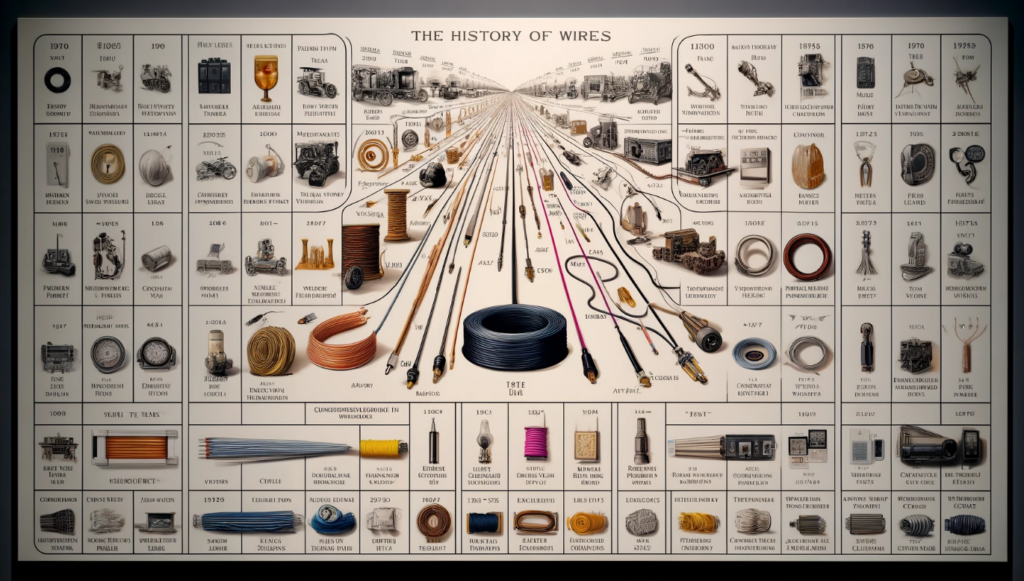
The story of wire dates back thousands of years. Ancient Egyptians and Mesopotamians were among the first to twist metal strands into decorative and functional forms. By the 19th century, wire became a cornerstone of technological revolution—telegraphs, electrical power transmission, and early telephone networks all depended on it.
The Industrial Revolution introduced copper and aluminum as standard conductors, enabling efficient electricity flow. As societies urbanized, the demand for reliable wiring systems surged, leading to the invention of insulated cables and color-coded electrical wires.
Today, wire has evolved far beyond traditional metal conductors. With innovations like fiber optics, superconductors, and nanomaterials, modern wiring systems are faster, safer, and more sustainable than ever before.
Different Types of Wires and Their Applications
Not all wires are created equal. Depending on the purpose, materials, and environment, wire types vary widely in composition and function. Here are some of the most common forms used across industries:
Electrical Wires
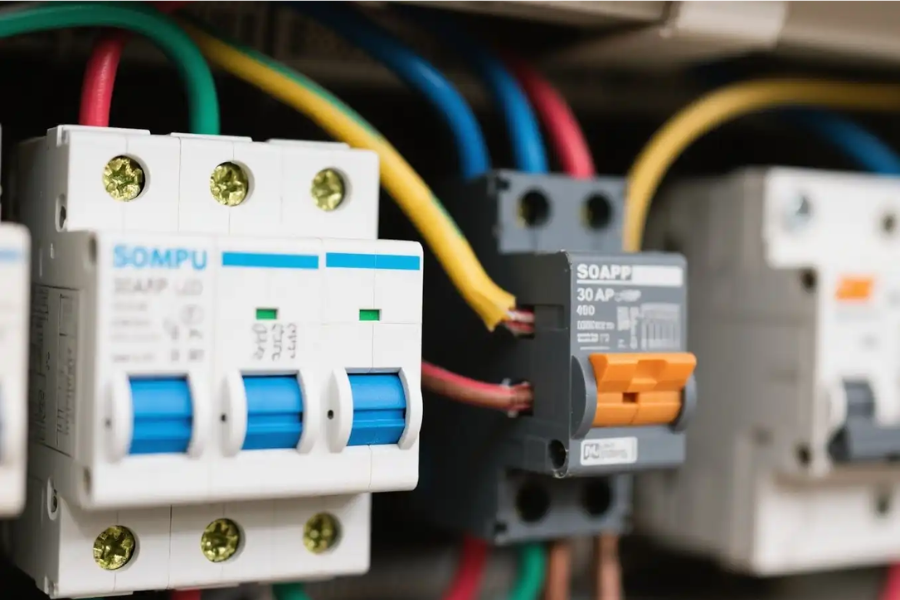
Electrical wires—such as 14/2 and 12/2—are commonly used in residential and commercial installations.
- 14/2 wire: Contains two insulated 14-gauge conductors (hot and neutral) and a ground wire. Ideal for lighting and low-current circuits.
- 12/2 wire: Contains two insulated 12-gauge conductors and a ground wire. Designed for outlets and higher-current appliances.
Mixing 14/2 and 12/2 wire is not recommended on the same circuit because it can create inconsistent current flow and potential fire hazards.
Coaxial Cables
Used in television and internet setups, coaxial cables feature a central conductor surrounded by insulation, shielding, and an outer jacket to minimize interference.
Fiber Optic Cables
Instead of electricity, these cables transmit light pulses, achieving ultra-high data speeds. They are crucial in telecommunications, internet infrastructure, and medical imaging.
Automotive and Aerospace Wires
Built to withstand heat, vibration, and corrosion, these wires are essential in vehicles, aircraft, and satellites.
Specialty Wires
Examples include thermocouple wires, magnet wires, and marine-grade cables, each designed for specialized environmental conditions.
The Science of Conductivity and Materials Used
The efficiency of a wire depends on its ability to conduct electricity or data with minimal resistance. This is where conductivity comes into play—the measure of how easily electrons flow through a material.
Key Conductive Materials
- Copper: The most widely used conductor due to its high conductivity, durability, and cost-effectiveness.
- Aluminum: Lighter and cheaper, but less conductive; often used in power transmission lines.
- Silver: The best conductor known, though too expensive for mass applications.
- Fiber Glass and Silica: Used in fiber optics to transmit light signals instead of electric current.
How Conductivity Works
When a voltage is applied, electrons move through the conductor. The smoother this flow, the less energy lost as heat. Insulation materials—like PVC, rubber, or polyethylene—prevent leakage, short circuits, and external interference.
Modern Material Science
Advances in nanotechnology have led to the creation of carbon nanotube and graphene wires, offering higher conductivity with lower weight—ideal for aerospace and high-performance electronics.
Innovations Shaping the Future of Wiring
The 21st century has redefined what “wire” means. Beyond metal and plastic, today’s wiring technologies combine data, energy, and intelligence.
a. Fiber Optic Revolution
Fiber optics have replaced copper in many communication systems, offering faster, more reliable data transmission over long distances with minimal signal loss.
b. Superconducting Wires
These wires can carry electricity without resistance at extremely low temperatures, revolutionizing medical imaging (MRI), quantum computing, and power transmission.
c. Smart and Self-Healing Materials
Emerging wire coatings can detect faults, self-repair minor damage, or even adjust conductivity based on environmental conditions.
d. Wireless Power and Hybrid Systems
While wireless charging is advancing, hybrid systems combining wired and wireless technologies are being tested for electric vehicles and smart homes.
e. Automation and IoT Integration
Modern wiring networks now carry not only power but also data signals—enabling smart lighting, connected appliances, and AI-driven infrastructure.
Environmental Concerns and Sustainable Production
Wire manufacturing, though essential, has environmental consequences—especially in mining metals like copper and aluminum and producing plastic insulation.
Challenges
- Resource depletion: Extracting metal ores consumes energy and damages ecosystems.
- Toxic byproducts: Insulation production and disposal release harmful chemicals.
- E-waste: Old cables contribute to global electronic waste problems.
Sustainable Solutions
- Recycling and Reuse: Copper and aluminum are 100% recyclable without losing quality.
- Eco-friendly Insulation: Bio-based polymers and halogen-free materials reduce pollution.
- Energy-efficient Production: Manufacturers are adopting renewable energy sources to power wire-making processes.
- Smart Disposal: Many regions now have e-waste programs that safely recover valuable metals.
As sustainability becomes a priority, wire technology is adapting with greener materials and closed-loop recycling systems that support a circular economy.
Conclusion
Despite the rise of wireless technology, the importance of wire has never diminished. From powering cities to enabling 5G networks and renewable energy grids, wire continues to connect people, machines, and ideas across the globe.
The question, “Can I mix 14/2 and 12/2 wire?” reminds us how vital it is to understand the science and safety behind every strand of connectivity. The evolution of wire—from copper strands to fiber optics and superconductors—reflects humanity’s relentless pursuit of innovation and efficiency.
In essence, wire isn’t just a tool—it’s a symbol of connection, progress, and sustainability. As technology continues to advance, the humble wire will remain the silent force powering our future.
SEO Keywords Used Naturally:
wire, electrical wire, cable, fiber optics, conductivity, wire technology, sustainability, 14/2 wire, 12/2 wire, modern wiring systems, future of wiring, innovation.
Absolutely — here are well-written, SEO-optimized FAQs that perfectly match your article “Can I Mix 14/2 and 12/2 Wire: Connecting the World Through Innovation.”
These FAQs are designed to boost SEO ranking, improve reader engagement, and add featured snippet potential on Google.
FAQs
1. Can I mix 14/2 and 12/2 wire on the same circuit?
No, you should never mix 14/2 and 12/2 wire on the same circuit. Each wire size is designed for a specific amperage—14/2 wire supports 15 amps, while 12/2 wire supports 20 amps. Mixing them can cause overheating, voltage drops, or even fire hazards. Always use wire that matches the circuit’s breaker rating.
2. What is the difference between 14/2 and 12/2 electrical wire?
The main difference is thickness and current capacity.
- 14/2 wire: Thinner; used for lighting and small appliances (15A).
- 12/2 wire: Thicker; used for outlets and heavy-duty devices (20A).
Both contain two insulated conductors and one ground wire, but their applications differ based on electrical load.
3. What materials are most commonly used to make wires?
Most wires are made from copper or aluminum due to their high conductivity and durability. Insulation materials include PVC, rubber, or polyethylene to prevent short circuits and enhance safety.
4. Why is copper preferred over aluminum in most electrical wiring?
Copper offers higher conductivity, better flexibility, and greater corrosion resistance compared to aluminum. Although aluminum is lighter and cheaper, copper provides more reliable electrical performance, especially in residential and commercial wiring.
5. What are fiber optic cables and how do they differ from electrical wires?
Fiber optic cables transmit light signals instead of electrical currents. This allows for faster data transfer, greater bandwidth, and longer distance communication without signal loss. They are widely used in telecommunications, internet infrastructure, and medical equipment.
6. How is wire manufactured?
The wire manufacturing process involves:
- Drawing: Stretching metal rods into thin strands.
- Annealing: Heating and cooling to improve flexibility.
- Insulating: Coating with protective materials.
- Twisting/Bundling: Combining strands for strength and conductivity.
This process ensures durability, conductivity, and compliance with electrical standards.
7. What are superconducting wires and their benefits?
Superconducting wires carry electricity with zero resistance at very low temperatures. This means no energy loss during transmission. They are used in MRI machines, quantum computers, and power grids to improve efficiency.
8. Are there eco-friendly or sustainable wire options available?
Yes. Manufacturers are now using recycled metals, halogen-free insulation, and bio-based polymers to reduce environmental impact. These sustainable wires perform as efficiently as traditional types while minimizing pollution and e-waste.
9. How has wire technology evolved over time?
Wire technology has evolved from hand-twisted metal strands to advanced materials like fiber optics, superconductors, and graphene conductors. Modern wires can now transmit both power and data, driving innovations in smart homes, AI, and renewable energy systems.
10. Why is wire still important in a wireless world?
Even in the age of wireless devices, wire remains essential for power delivery, data transfer infrastructure, and industrial systems. From charging stations to fiber networks, wires form the foundation of global connectivity and technological advancement.