Wires are the silent architects of modern civilization. They power our homes, connect global networks, and enable innovations from electric vehicles to artificial intelligence. Every current that flows, every signal that travels, and every spark that ignites progress depends on wire technology.
A common question many electricians and homeowners ask is: “Can I use 10/2 wire for 220 volts?” The answer lies in understanding how wire gauge, material, and conductivity interact to ensure safe and efficient energy transfer. But beyond home wiring, the story of wire is also a story of how humanity learned to connect, communicate, and innovate.
The History and Evolution of Wire Technology
Wire has a history as old as civilization itself. Ancient Egyptians crafted thin gold and copper strands for jewelry and rudimentary circuits. The Greeks later used bronze and iron wire for structural and decorative purposes.
The modern era of wire began in the 19th century, when the invention of the telegraph and electrical power systems transformed simple metal strands into global communication channels. The Industrial Revolution introduced copper and aluminum as key conductors, revolutionizing industries from manufacturing to transportation.
Today, wire technology continues to evolve—from fiber optics transmitting data at light speed to superconducting materials carrying current with zero energy loss. Each innovation pushes the boundaries of what connectivity means in an increasingly digital world.
Different Types of Wires and Their Applications
Wires come in countless forms, each designed to serve a specific purpose. Let’s explore the most common types used today.
Electrical Wires
Electrical wires are the foundation of power distribution. Among them, the 10/2 wire is a heavy-duty option often used for 220-volt appliances like dryers, water heaters, and air compressors.
- 10-gauge wire: Designed for circuits carrying up to 30 amps.
- 2-conductor (10/2): Contains two insulated wires (hot and neutral) and a bare ground wire.
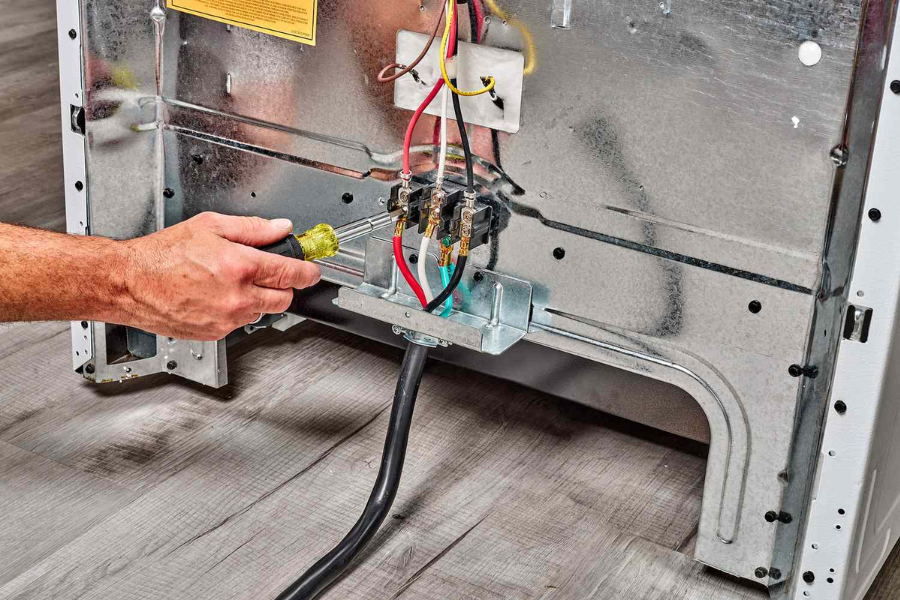
Yes, you can use 10/2 wire for 220 volts — if the circuit only requires two hot wires and a ground (no neutral). It’s ideal for certain 220V loads like air compressors and welders. However, appliances requiring a neutral (like ranges or dryers with 4-prong plugs) need a 10/3 wire instead.
Coaxial Cables
These cables transmit television and internet signals through a central conductor and a shield that minimizes interference, ensuring stable data flow.
Fiber Optic Cables
Instead of electricity, fiber optics use light to transmit data, offering high-speed connectivity for telecommunications, cloud computing, and data centers.
Automotive and Marine Wires
These are specially insulated to resist heat, moisture, and vibration—crucial for cars, boats, and airplanes where reliability is vital.
High-Temperature and Specialty Wires
Used in aerospace, robotics, and industrial environments, these wires can endure extreme conditions and carry precise electrical currents without failure.
The Science of Conductivity and Materials Used
At the heart of every wire is the science of conductivity—how easily electrons move through a material. The better the conductor, the less energy lost as heat.
Common Conductive Materials
- Copper: The most widely used conductor due to its excellent conductivity and resistance to corrosion.
- Aluminum: Lightweight and cost-effective, but slightly less conductive than copper.
- Silver: The best conductor of all, used in high-performance electronics and aerospace components.
- Optical Glass (Silica): Used in fiber optics to transmit light signals instead of electric current.
How Conductivity Works
When voltage is applied, electrons flow through the conductor. The smoother and purer the material, the faster this flow. Insulation materials—like PVC or polyethylene—protect the wire from short circuits and environmental damage.
The Role of Gauge in Conductivity
Wire gauge determines how much current a wire can safely handle.
- 10-gauge wire: up to 30 amps
- 12-gauge wire: up to 20 amps
- 14-gauge wire: up to 15 amps
Choosing the right gauge is essential for safety. Using too small a wire for a high-voltage circuit (like 220V) can cause overheating and fire hazards.
Innovations Shaping the Future of Wiring
The evolution of wire technology is driven by innovation in materials, design, and performance. Here are some groundbreaking advancements shaping the future:
Fiber Optic Revolution
Fiber optics have replaced copper in many communication systems, delivering unparalleled speed, bandwidth, and reliability. They are the backbone of modern internet and global data transmission.
Superconducting Wires
Operating at ultra-low temperatures, these wires have zero electrical resistance, enabling efficient power grids, magnetic levitation trains, and advanced MRI machines.
Smart Materials and Nanotechnology
Researchers are developing graphene-based wires and carbon nanotubes that combine flexibility, strength, and conductivity beyond what metals can achieve.
Self-Healing and Intelligent Insulation
Some next-generation wires feature self-repairing coatings that detect and fix minor damage, increasing safety and lifespan.
Wireless Power Integration
Hybrid systems now blend wired and wireless technologies for applications such as electric vehicle charging and smart home automation.
Environmental Concerns and Sustainable Production
While wires power progress, their production has environmental impacts that can’t be ignored.
Environmental Challenges
- Metal extraction (especially copper) consumes massive energy and disrupts ecosystems.
- Plastic insulation contributes to pollution when improperly disposed of.
- E-waste from old wires adds to global landfill and recycling issues.
Sustainable Solutions
- Recycling: Copper and aluminum can be recycled endlessly without loss of quality.
- Eco-Friendly Insulation: Manufacturers now use halogen-free, biodegradable, or bio-based polymers.
- Energy-Efficient Production: Renewable energy and advanced technologies reduce emissions.
- Circular Economy: Some companies are recovering and reusing materials from old wiring systems.
Sustainability is no longer an option—it’s a necessity. Modern wire production aims to balance performance with environmental responsibility.
Conclusion
From powering 220-volt circuits in homes to transmitting terabytes of data through fiber optics, wire remains the foundation of modern connectivity. The ability to safely use 10/2 wire for 220 volts is just one small example of how understanding wire technology keeps our systems safe, efficient, and innovative.
As new materials like graphene and superconductors emerge, and as industries embrace sustainability, wire continues to evolve—not just as a conductor of electricity, but as a symbol of human ingenuity.
In every spark, signal, and connection, wire continues to connect the world through innovation.
SEO Keywords Used:
wire, electrical wire, 10/2 wire, cable, fiber optics, conductivity, wire technology, sustainability, copper wire, 220 volts, modern wiring systems, innovation.
FAQs
Can I use 10/2 wire for 220 volts?
Yes, you can use 10/2 wire for 220 volts, but only in specific cases. A 10/2 wire has two insulated conductors and a bare ground wire, which means it can power 220V loads that don’t require a neutral connection—such as air compressors, water heaters, or certain welders.
However, if your 220V appliance requires a neutral wire (like most dryers and ranges), you’ll need a 10/3 wire instead.
What does “10/2 wire” mean?
“10/2 wire” refers to a wire gauge and conductor count:
- 10 = wire gauge (AWG), suitable for up to 30 amps.
- 2 = number of insulated conductors (hot and neutral).
It also includes a bare ground wire, making it a total of three wires inside the cable sheath.
What can I use 10/2 wire for?
You can use 10/2 wire for:
- 220V two-wire loads (no neutral required)
- Water heaters, air compressors, and single-phase motors
- Outdoor equipment and workshop power tools
Always check your appliance’s amp rating and wiring diagram before installation.
Is 10/2 wire thick enough for 220 volts?
Yes — 10-gauge wire is thick enough for 220V circuits up to 30 amps. However, wire gauge alone doesn’t determine safety; you must also consider distance. For long runs (over 100 feet), voltage drop becomes a factor, and a thicker wire may be required.
What is the difference between 10/2 and 10/3 wire?
The difference lies in the number of conductors:
- 10/2 wire has two insulated wires (hot and neutral) + ground.
- 10/3 wire has three insulated wires (two hot, one neutral) + ground.
A 10/3 wire is required for 220V circuits that use both hot wires and a neutral, such as electric dryers and stoves.
Can I use 10/2 wire for both 110V and 220V circuits?
Technically, yes, but it’s not recommended to share or mix voltages on the same wire. 10/2 wire can handle 110V or 220V individually if properly configured, but never both simultaneously in one circuit.
What size breaker should I use for 10/2 wire?
Use a 30-amp circuit breaker for 10/2 wire, as this matches its current-carrying capacity. Using a higher-rated breaker may cause overheating or fire hazards.
Can I use 10/2 wire with a neutral connection?
No — 10/2 wire does not have a dedicated neutral. It includes one hot, one white (used as hot in 220V), and a ground. If your setup requires a neutral, use 10/3 wire instead.
How far can I run 10/2 wire for 220 volts?
For a 220V, 30-amp circuit, 10/2 wire can be safely run up to 100 feet. Beyond that, voltage drop becomes significant. If the distance exceeds 100 feet, consider upgrading to 8-gauge wire to maintain voltage efficiency.
What happens if I use the wrong wire size for 220V?
Using an undersized wire (like 12/2 or 14/2) for 220V circuits can cause overheating, voltage loss, or even electrical fires. Always follow amp and gauge charts approved by the National Electrical Code (NEC).
Is copper or aluminum better for 220V wiring?
Copper wire is preferred due to its higher conductivity, durability, and resistance to corrosion. Aluminum can work for long-distance or high-voltage applications but must be installed carefully to prevent oxidation.
How do I identify if my appliance needs a neutral wire?
Check your appliance’s plug type or manual:
- A 3-prong plug usually doesn’t need a neutral (10/2 wire is fine).
- A 4-prong plug requires a neutral (use 10/3 wire).
Is 10/2 wire good for outdoor 220V circuits?
Yes — as long as it’s rated for outdoor or underground use (like 10/2 UF-B wire). Always ensure it’s properly buried or protected in conduit to prevent damage from moisture or pests.
Can I connect 10/2 wire to a 20-amp breaker?
Technically yes, but it’s unnecessary. 10/2 wire is rated for 30 amps, so using it on a 20-amp breaker won’t harm anything—it’s just overbuilt. However, never go the opposite way (thin wire on a large breaker).
Is it safe to DIY 220V wiring with 10/2 wire?
Only if you have electrical experience and follow local electrical codes. 220V circuits can be dangerous if wired incorrectly. If unsure, always consult a licensed electrician to verify connections and breaker sizing.
Keep an eye for more latest news & updates on Techzloop!