Choosing the correct wire size for a 200 amp service is essential for safety and proper electrical performance. Most electricians use 2/0 copper or 4/0 aluminum because these sizes can safely carry 200 amps without overheating. The choice depends on cost, distance, and installation type. Using the wrong wire gauge can cause voltage drop, equipment damage, and fire hazards. Always follow NEC guidelines and local codes when determining the right wire size.
Understanding the Basics of 200 Amp Service
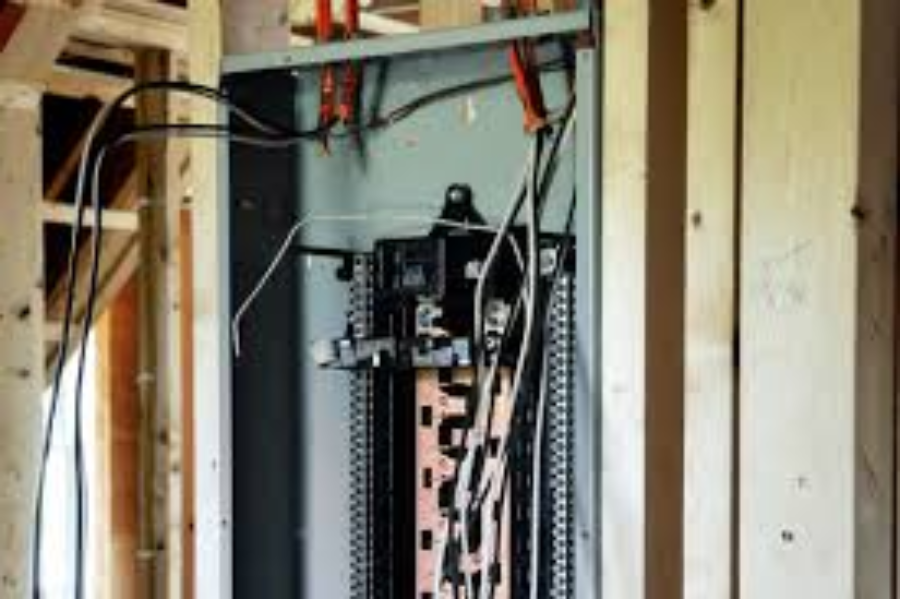
A 200 amp service supplies enough electrical capacity for modern households with heavy appliances, HVAC systems, and multiple circuits. It provides stable power distribution across the entire property. This service size is ideal for medium to large homes. Understanding how the system works helps ensure safe installation and proper wire selection. The main goal is to support high electrical demand without overload.
Why Wire Size Matters for a 200 Amp Panel
Wire size determines how much electrical current can flow safely without overheating. Undersized wires create dangerous conditions, including melted insulation and fire hazards. A correct wire gauge ensures stable voltage and efficient power delivery. It also helps the breaker panel and appliances perform well. Choosing the right wire size protects your home and electrical system.
Standard Wire Sizes Used for 200 Amp Service
The most common wire sizes for 200 amp service are 2/0 copper and 4/0 aluminum. These sizes meet NEC ampacity requirements and work for both residential and commercial installations. They provide enough capacity to handle continuous electrical loads without overheating. Electricians prefer copper for durability and aluminum for affordability. Both options must be properly installed to ensure safety.
Copper vs. Aluminum Wire for 200 Amp Service
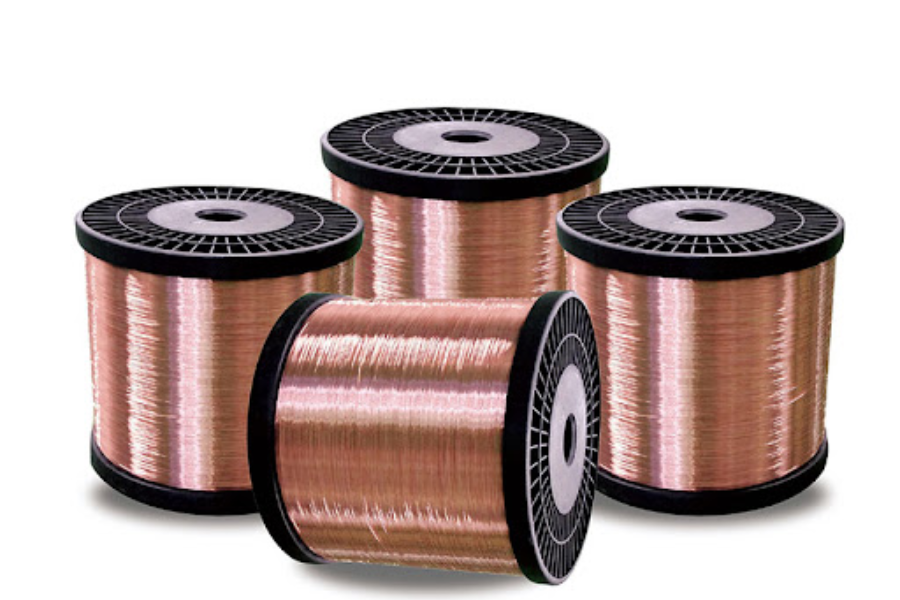
Copper wire offers better conductivity, durability, and resistance to corrosion, making it ideal for long-term reliability. Aluminum wire is more affordable and lighter, making it easier to install. However, aluminum requires larger diameter wire to handle the same amperage. Both materials are safe when installed correctly. The choice often depends on budget, distance, and installation method.
Minimum Wire Gauge for a 200 Amp Connection
NEC requires at least 2/0 copper or 4/0 aluminum wire for a safe 200 amp connection. These gauges ensure the wire can handle high electrical loads without excessive heat. Using smaller wire is unsafe and illegal in most jurisdictions. Minimum gauge rules help prevent electrical failures and fires. Always verify with local code officials before installation.
NEC Recommendations for 200 Amp Wiring
The National Electrical Code provides detailed guidelines for wire type, insulation, and ampacity. NEC ensures electrical systems remain safe and functional across all installations. For 200 amps, NEC specifies conductor sizes that can safely manage the current. It also outlines rules for conduit, grounding, and protection. Following NEC prevents costly mistakes and safety violations.
How Distance Affects Wire Size for 200 Amps
Long wire runs increase electrical resistance, leading to voltage drop and reduced efficiency. For distances over 100–150 feet, wires may need to be upsized. Larger wire counteracts voltage loss and maintains stable power. This is critical for long driveways, detached buildings, or rural properties. Distance is one of the most important factors in wire sizing.
Voltage Drop Considerations for 200 Amp Service
Voltage drop occurs when electrical current travels long distances, reducing the power reaching appliances. Electricians aim to keep voltage drop under 3% for optimal performance. If the wire run is too long, upsizing the conductor helps maintain voltage levels. This ensures devices run smoothly without flickering or overheating. Proper planning prevents long-term issues.
Using 4/0 Aluminum Wire for 200 Amp Service
4/0 aluminum is widely used because it’s affordable, lightweight, and easy to install. It performs well as long as it’s properly connected and anti-oxidation paste is applied. This wire size meets NEC requirements for 200 amp service. It is popular for both underground and overhead installations. Maintenance and correct installation ensure safe long-term use.
Using 2/0 Copper Wire for 200 Amp Service
2/0 copper is strong, heat-resistant, and highly conductive, making it the premium choice. Although more expensive, it provides better performance over long distances. Electricians prefer copper for high-demand installations. It is less prone to corrosion and loosening. Copper ensures long-lasting electrical reliability in any environment.
Underground Wire Size for 200 Amp Service
Underground installations need moisture-resistant wires like XHHW or URD aluminum cable. Soil type, trench depth, and conduit requirements also influence wire selection. Underground wires must withstand temperature changes and moisture exposure. Proper burial depth and conduit protection are essential for safety. Many homes use aluminum URD for cost efficiency.
Overhead Wire Size for 200 Amp Service
Overhead service typically uses 4/0 aluminum triplex connected from utility poles to the home. This wire type is lightweight and designed for outdoor weather conditions. Utility companies commonly install it for residential neighborhoods. It provides safe and reliable electrical transmission. Proper clearance height and support hardware are required.
Service Entrance Cable Types for 200 Amps
Common cable types include SER, SEU, THHN in conduit, and URD. Each cable type is suitable for different installation environments. SER is often used indoors or for feeders, while SEU is used for service entrances. THHN works inside conduit for more flexible routing. Choosing the right cable ensures safety and code compliance.
SEU vs. SER Cable for 200 Amp Service
SEU cable is often used for simple service entrances where neutral and ground share the same conductor. SER cable includes separate grounding, making it better for subpanels and feeders. SER also offers more flexibility and safety. Both must be selected based on installation type. Using the wrong cable can cause failed inspections.
Conduit Requirements for 200 Amp Wiring
PVC or metal conduits protect wires from damage, moisture, and physical impact. Conduit size must allow easy wire pulling and proper ventilation. Underground conduit prevents soil pressure from damaging wires. Some codes require specific conduit thicknesses. Proper installation ensures long-term durability.
Temperature Rating and Wire Size Selection
Wire insulation comes in ratings like 60°C, 75°C, or 90°C, affecting allowable ampacity. Higher temperatures permit more current without overheating. Outdoor or attic installations benefit from high-temperature insulation. Temperature ratings help prevent insulation breakdown. They play a key role in selecting the right wire.
Cost Comparison Between Copper and Aluminum for 200 Amps
Copper is significantly more expensive but offers better performance. Aluminum is cheaper and widely used in residential wiring. Homeowners often choose based on budget and distance requirements. Long wire runs can dramatically increase copper costs. Balancing performance and affordability helps you choose the right material.
Safety Precautions for Installing 200 Amp Wiring
Proper safety measures include shutting off power, using insulated tools, and following NEC guidelines. Incorrect installation can cause fires or electric shock. Electrical work should be performed only by trained professionals. Double-checking connections prevents overheating. Safety is the top priority for any high-amp installation.
Common Mistakes When Choosing Wire Size
Homeowners often select wire that is too small or not rated for the installation environment. Ignoring voltage drop is another common issue. Using the wrong insulation can also cause failures. Always follow NEC and local rules. Avoiding mistakes saves money and prevents hazards.
Upgrading From 100 Amp to 200 Amp—Wire Considerations
An upgrade requires new service wire, a 200 amp panel, a new meter base, and possibly a larger conduit. The entire system must be rated for 200 amps. Existing wires from the utility may also need replacement. Upgrading increases power capacity for modern homes. Professional installation ensures safety and compliance.
Choosing the Right Breaker for 200 Amp Wire
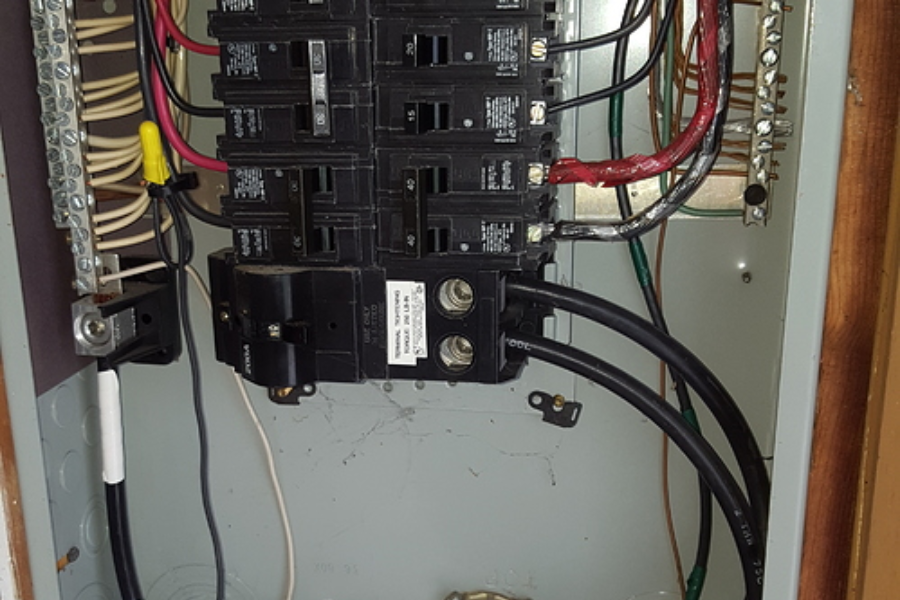
A 200 amp main breaker must match both the wire and panel rating. The breaker protects the entire electrical system from overload. Choosing the correct size prevents overheating and wiring damage. Breakers must meet code standards. Proper installation ensures reliable performance.
Local Electrical Code Requirements
Local codes may differ from NEC, especially for underground wiring or conduit. Inspectors enforce rules to guarantee safety. Failing to follow local codes can delay installation or cause rework. Understanding these requirements helps avoid penalties. Always verify with your local authority.
DIY vs. Hiring a Professional for 200 Amp Service
A 200 amp service installation is not recommended for DIY work due to safety risks. Only licensed electricians should perform this upgrade. Professionals ensure correct wire size, grounding, and code compliance. DIY mistakes can result in fire hazards. Hiring a pro ensures long-term safety.
Tools Needed to Install 200 Amp Wiring
Installation requires wire cutters, conduit benders, torque wrenches, fish tapes, and voltage testers. Specialized tools ensure proper wire handling. Using the correct tools prevents insulation damage. Accurate torque settings prevent loose connections. Well-equipped electricians deliver safer installations.
Signs You’re Using the Wrong Wire Size
Flickering lights, tripping breakers, or warm wires indicate undersized wiring. Voltage drop may reduce appliance performance. Overheated conductors are a serious fire hazard. If issues arise, a professional inspection is necessary. Early detection prevents major damage.
Heavy Load Applications and 200 Amp Wire Size
Homes with EV chargers, large HVAC units, or workshops may require copper for better performance. Heavy loads increase the risk of voltage drop. Using the right wire ensures reliable power delivery. These applications benefit from high-quality conductors. Proper planning supports future electrical needs.
Panel Location Impact on Wire Size
Long distances between meter and panel require larger wires to reduce voltage drop. Placement affects installation cost and wire type. Closer panel locations reduce wire size requirements. Distance plays a major role in planning. Proper placement improves efficiency.
Wire Insulation Types for 200 Amp Service
THHN and XHHW are the most common types for 200 amps. These insulations resist heat, moisture, and chemicals. Choosing the right insulation ensures long-term safety. Underground and outdoor setups require weather-resistant coatings. Insulation quality affects wire life.
How Soil Conditions Affect Underground Wiring
Moist or rocky soil requires stronger conduit and insulation. Soil can impact wire temperature and longevity. Corrosive soils may damage unprotected wires. Proper burial depth prevents damage from pressure or shifting ground. Good planning ensures long-term reliability.
Using THHN Wire for 200 Amp Service
THHN wire is widely used in conduit due to its heat resistance. It is ideal for indoor or protected outdoor installations. THHN offers high conductivity and flexibility. It must be installed in conduit for safety. Electricians prefer THHN for clean, organized wiring.
Using XHHW Wire for 200 Amp Service
XHHW wire resists moisture, chemicals, and extreme temperatures. It is suitable for underground or outdoor environments. This insulation type ensures long-lasting performance. Many electricians use XHHW for service feeders. It provides excellent durability.
Bundling Wires and Its Effect on Ampacity
Bundling reduces airflow, causing wires to heat up faster. NEC requires derating when multiple wires are bundled. Heat buildup lowers safe ampacity. Proper spacing maintains cooling. Bundling rules prevent overheating.
Climate Considerations for 200 Amp Wire
Hot climates increase wire temperature, reducing ampacity. Cold climates may require flexible insulation. Selecting temperature-rated wire prevents breakdown. Outdoor wires must withstand extreme weather. Climate impacts long-term reliability.
Fire Hazards Caused by Incorrect Wire Size
Undersized wires overheat, melting insulation and sparking fires. Long-term exposure worsens damage. Proper wire selection prevents dangerous temperature rise. Safe installations reduce fire risks. Always use code-compliant wire.
Energy Efficiency and Proper Wire Gauge
Thicker wire reduces resistance, improving energy efficiency. Proper gauge supports stable power flow. Efficient wiring lowers energy waste. Voltage drop reduction improves appliance performance. Correct gauge saves long-term costs.
Tools to Measure Voltage Drop
Electricians use clamp meters, multimeters, and load testers. These tools help detect performance issues. Measuring voltage drop ensures wires are sized correctly. Early diagnosis prevents damage. Accurate testing ensures safe operation.
How Electric Utilities Determine Wire Size
Utilities evaluate load demand, distance, and safety standards. They choose appropriate overhead or underground conductors. Their wires often differ from residential standards. Utilities prioritize efficiency and durability. Proper sizing ensures reliable power delivery.
Testing 200 Amp Service After Installation
Electricians test grounding, breaker operation, and voltage levels. Proper testing ensures safe and stable performance. Any connection issues are corrected immediately. Inspections verify code compliance. Testing guarantees long-term reliability.
Common Questions About 200 Amp Wire Size
Homeowners often ask about copper vs. aluminum, distance factors, and required conduit. Many want to know if upgrades are necessary. Questions also involve underground wiring and panel placement. Clear answers help them make informed decisions. Wire sizing is a common concern.
Cost to Install 200 Amp Service Wire
Installation costs typically range from $2,000 to $5,000. Prices depend on wire type, distance, permits, and labor. Copper increases overall cost significantly. Underground work is more expensive than overhead. Budgeting depends on project complexity.
How to Read Wire Gauge Labels
Wire labels indicate material, gauge, insulation, and rating. Lower AWG numbers mean thicker wire. Reading labels ensures proper selection. Misreading gauges can lead to unsafe installation. Understanding labels improves accuracy.
Future-Proofing Your Home With Proper Wire Size
Correct wire sizing supports future appliances, EV chargers, and home expansions. Planning ahead reduces the need for upgrades. Proper wire ensures long-term reliability. Investing now benefits future electrical needs. Future-proofing prevents limitations.
Running 200 Amp Wire to a Detached Building
Detached buildings require correct grounding, trench depth, and wire insulation. Distance may require upsizing conductors. Underground conduit protects wires from soil pressure. Proper planning ensures safe power delivery. Code compliance is essential.
Wire Size for 200 Amp Subpanels
Subpanels often use the same 2/0 copper or 4/0 aluminum for full capacity. Distance may require larger conductors. Subpanels need correct grounding and bonding. Proper sizing prevents voltage drop. Subpanel installations must meet code.
Using Parallel Conductors for 200 Amp Service
Parallel wires allow splitting current across two conductors. NEC permits this under strict conditions. Both wires must be the same length and type. Parallel conductors are used for long or high-capacity runs. Proper installation prevents imbalance.
Inspecting Your 200 Amp Wiring Periodically
Regular inspections detect corrosion, loose connections, and overheating. Early detection prevents failures. Annual checks improve safety. Professional inspections ensure reliability. Maintenance extends wire life.
Environmental Protection for 200 Amp Wiring
Conduit, insulation, and proper burial protect wires from moisture and damage. Harsh environments require stronger protection. UV-resistant insulation is needed outdoors. Protection ensures long-term safety. Preventing exposure reduces hazards.
Choosing the Right Electrician for 200 Amp Service
A licensed electrician ensures safe, code-compliant installation. Experience matters for large-scale service upgrades. Professionals understand wire sizing and NEC rules. Hiring the right person prevents costly mistakes. Always verify credentials and reviews.
Final Thoughts on Selecting 200 Amp Wire Size
Choosing the correct wire size is essential for safety, performance, and future use. Always follow NEC rules and local codes. Consider distance, voltage drop, climate, and installation method. Copper and aluminum are both reliable when installed correctly. Proper planning ensures long-term electrical reliability.
AQs
1. What is the correct wire size for a 200 amp service?
The recommended wire size is 2/0 copper or 4/0 aluminum. Both meet NEC requirements and safely handle a 200 amp load.
2. Is copper better than aluminum for 200 amp service?
Yes, copper provides better conductivity and durability, but aluminum is more affordable and still safe when installed correctly.
3. Do I need to increase wire size for long distances?
Yes. If the wire run is longer than 100–150 feet, you may need to upsize to prevent voltage drop.
4. Can I install a 200 amp service myself?
It’s not recommended. Due to safety and code requirements, only licensed electricians should install or upgrade a 200 amp service.
5. Does underground wiring require a different wire type?
Yes. Underground installations usually require XHHW, URD aluminum, or moisture-resistant cables inside conduit.
Keep an eye for more latest news & updates on Techzloop!