Wire is one of the most essential inventions in human history. From lighting homes to powering industries and connecting continents through data, wire plays a silent yet critical role in every aspect of modern life. Whether it’s carrying electricity, signals, or information, wires form the foundation of today’s connected world.
The question “Can 10 gauge wire handle 40 amps?” might seem simple, but it opens the door to a much larger topic — the evolution, science, and importance of wire in our daily lives. Wires are not just about current and voltage; they represent progress, innovation, and human ingenuity in building a sustainable and interconnected future.
The History And Evolution of Wire Technology
The concept of wire dates back thousands of years. Ancient Egyptians used hammered gold to create thin strands for jewelry and early decorative purposes. By the 19th century, wire became the backbone of the Industrial Revolution, powering telegraphs, lighting systems, and machinery.
The invention of copper wire transformed the world of electrical engineering. As telegraphy and telephony spread, copper’s superior conductivity made it the preferred choice for long-distance communication. Later, aluminum emerged as a lightweight and cost-effective alternative in power transmission lines.
With the rise of the digital age, wire technology took another leap — the development of fiber optic cables revolutionized global communication by using light instead of electricity to transmit data at incredible speeds. From copper strands to glass fibers and now superconducting materials, wire continues to evolve, driving innovation in every field imaginable.
Different Types of Wires And Their Applications
Modern industries rely on an extensive range of wire types, each tailored to a specific function:
Electrical Wires
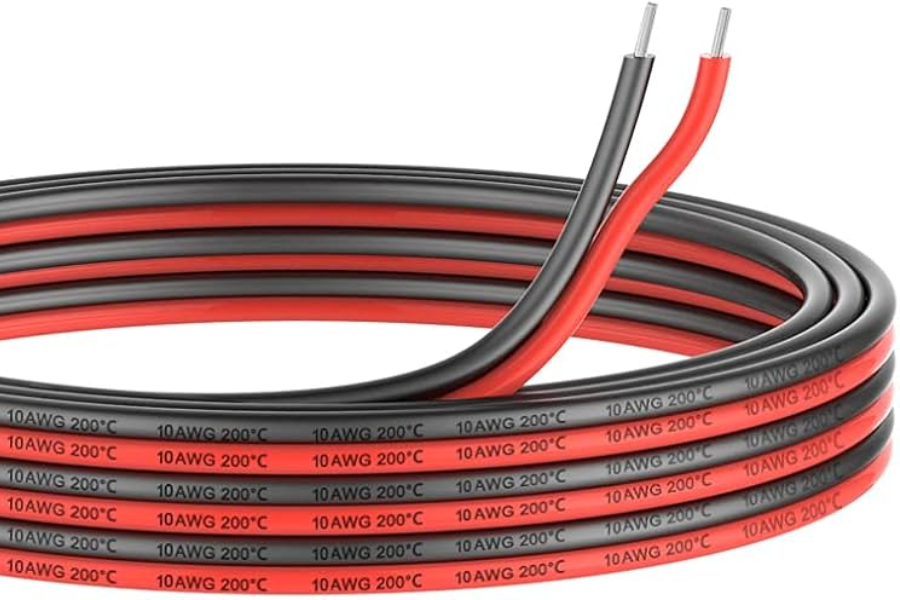
These are the most common types, designed to conduct electrical current in homes, vehicles, and power systems. The thickness (or gauge) determines how much current a wire can safely handle. For example, a 10-gauge wire can handle up to 30 amps safely under most conditions, though pushing it to 40 amps may cause overheating unless specialized insulation or short runs are used.
Communication Cables
These include telephone wires, coaxial cables, and fiber optics. They carry data rather than electricity, making them essential for internet, television, and telecommunication systems.
Automotive and Aerospace Wires
These are designed to endure heat, vibration, and mechanical stress. Lightweight materials like aluminum and special alloys help improve fuel efficiency and durability.
High-Temperature and Specialty Wires
Used in industrial and research settings, these wires are built to resist extreme conditions — from chemical exposure to cryogenic temperatures — ensuring performance where ordinary wires fail.
The Science of Conductivity and Materials Used
At its core, wire technology is based on conductivity — the ability of a material to allow electrons (or photons in fiber optics) to flow freely.
Copper
Known for its excellent conductivity and flexibility, copper remains the industry standard. It’s used in electrical wiring, power transmission, and electronics due to its low resistance and high efficiency.
Aluminum
Lighter and more cost-effective than copper, aluminum is widely used in overhead power lines. However, it has slightly higher resistance, so larger diameters are required for the same current flow.
Silver and Gold
While rare and expensive, these metals provide the best conductivity and corrosion resistance, used in high-end electronics and aerospace applications.
Fiber Optics
Instead of conducting electricity, fiber optic cables use light signals through glass or plastic fibers. They offer virtually unlimited bandwidth and minimal signal loss, making them the backbone of modern internet infrastructure.
Superconducting Wires
At extremely low temperatures, superconducting materials allow current to flow without resistance. These are used in cutting-edge technologies like MRI machines, particle accelerators, and quantum computers.
Innovations Shaping the Future of Wiring
The future of wire is being redefined by smart materials and advanced manufacturing. Several emerging innovations are transforming how wires function and interact with their environments:
Smart Wires
Engineered with sensors and self-monitoring capabilities, these can detect faults, measure current flow, and communicate real-time data. They’re vital in smart grids and advanced industrial systems.
Nano-Conductors
Nanotechnology is paving the way for ultra-thin, lightweight, and extremely efficient conductors. These tiny wires can be integrated into wearable electronics and medical devices.
Fiber Optic Expansion
With global demand for faster internet, the world is rapidly transitioning to fiber-to-the-home (FTTH) networks. This expansion is revolutionizing data transmission, enabling 5G, AI, and cloud computing technologies.
Superconducting Power Lines
As energy demands rise, superconducting cables promise near-zero loss transmission, potentially revolutionizing how power is distributed across nations.
Environmental Concerns and Sustainable Production
While wire technology has connected the world, it has also introduced environmental challenges. Mining for metals like copper and aluminum consumes vast resources and energy. The production process emits greenhouse gases and often leads to electronic waste (e-waste) issues.
To address this, industries are adopting sustainable practices:
- Recycling copper and aluminum reduces energy use by up to 90%.
- Biodegradable insulation materials are being developed to replace harmful plastics.
- Green manufacturing initiatives use renewable energy and cleaner processes.
- Fiber optics, being glass-based, are less environmentally damaging and more energy-efficient in data transmission.
The push for sustainability ensures that wiring technology continues to evolve responsibly, aligning with global environmental goals.
Can 10 Gauge Wire Handle 40 Amps?
Now, returning to the practical question — can 10-gauge wire handle 40 amps?
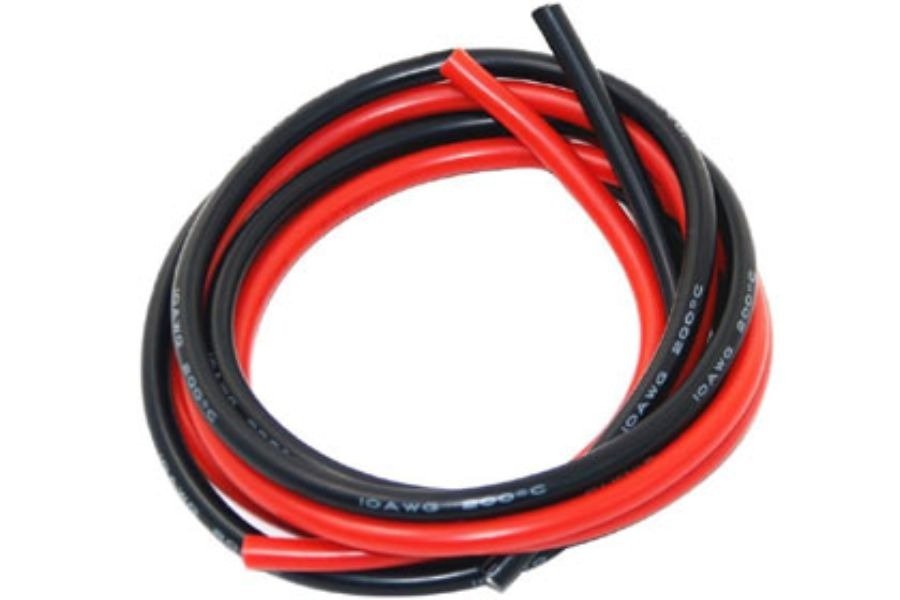
In general, a 10 AWG copper wire is rated for up to 30 amps under standard conditions. However, it can handle up to 40 amps for short runs or in special cases, such as when used with high-temperature insulation or in environments with good cooling. For continuous loads, it’s always safer to use 8-gauge wire for 40 amps to prevent overheating and ensure long-term safety.
Understanding wire gauge and ampacity (current capacity) is crucial for electrical safety. Always follow local electrical codes and manufacturer specifications when choosing wire sizes for any project.
Conclusion
Wire may seem like a simple invention, but it’s the lifeline of modern civilization. From powering homes to transmitting data across oceans, wire connects humanity in ways that were once unimaginable. As technology advances, the humble wire continues to evolve — becoming smarter, stronger, and more sustainable.
FAQs
1. Can a 10-gauge wire handle 40 amps?
Generally, a 10-gauge copper wire can safely handle up to 30 amps. However, in short runs or with high-temperature insulation, it might handle up to 40 amps temporarily. For continuous loads, it’s best to use 8-gauge wire for 40 amps to prevent overheating and ensure safety.
2. What size wire do I need for 40 amps?
For most residential and industrial applications, 8 AWG copper wire or 6 AWG aluminum wire is recommended for a 40-amp circuit. Always follow the National Electrical Code (NEC) or your local electrical standards when choosing wire sizes.
3. What happens if the wire gauge is too small for the current?
Using a wire that’s too small for the electrical load can cause overheating, voltage drop, or even fire hazards. Always match wire gauge to the correct amperage rating to maintain system safety and efficiency.
4. What is the difference between wire gauge and ampacity?
- Wire gauge refers to the wire’s diameter (measured in AWG – American Wire Gauge).
- Ampacity is the maximum current the wire can safely carry without overheating.
The smaller the gauge number, the thicker the wire and the higher its ampacity.
5. Is copper wire better than aluminum wire?
Yes, copper wire is generally better for most applications because it has lower resistance, higher conductivity, and better durability. However, aluminum wire is lighter and more cost-effective, making it suitable for long-distance power transmission.
6. What are the most common types of electrical wires?
- Copper wire – Most common for homes and appliances.
- Aluminum wire – Used in high-voltage power lines.
- Fiber optic cables – Used for internet and data transmission.
- Coaxial cables – Used for television and communication systems.
7. What are fiber optic cables made of?
Fiber optic cables are made of thin glass or plastic fibers that transmit light signals instead of electrical current. They are faster, more efficient, and capable of carrying vast amounts of data over long distances.
8. What innovations are shaping the future of wire technology?
Emerging innovations include smart wires with sensors, nanowire conductors, superconducting cables, and sustainable materials that reduce energy loss and environmental impact.
9. How can wire production be more sustainable?
Manufacturers are now focusing on recycling copper and aluminum, using eco-friendly insulation materials, and adopting renewable energy in production. These methods reduce waste and carbon emissions while promoting sustainability.
10. Why is wire so important in modern technology?
Wires are the backbone of modern civilization, powering everything from homes and vehicles to global communication networks. They enable electricity flow, data transfer, and connectivity that keep our world running efficiently and innovatively.
Keep an eye for more latest news & updates on techzloop.com!