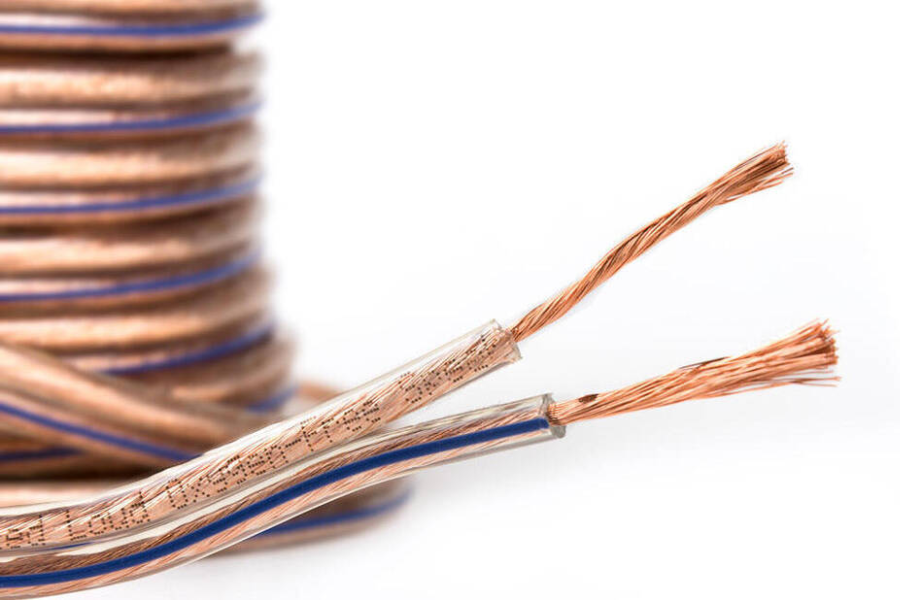
Wire — a simple strand of metal — is one of humanity’s most powerful inventions. It silently transmits the lifeblood of modern civilization: electricity, data, and communication. From powering homes and cities to connecting satellites and smartphones, wire serves as the nervous system of human progress.
Every time a light turns on, a message is sent, or an electric car charges, a network of wires works quietly in the background. Beyond its physical structure, wire represents innovation, connectivity, and the limitless potential of human creativity. And while we often ask questions like “Can speaker wire be used for power?” — the real answer lies in understanding how wire evolved from a simple conductor into a key driver of global transformation.
Origins: How Ancient Civilizations Discovered the Power of Wire
The story of wire begins thousands of years ago. Ancient civilizations, including the Egyptians and Mesopotamians, were among the first to experiment with copper — one of Earth’s most conductive metals. They hammered and drew it into thin strands to create jewelry, tools, and early electrical experiments, unknowingly laying the groundwork for modern electrical engineering.
By the time of the Roman Empire, copper and bronze wires were used in decorative art and early mechanical devices. However, the true potential of wire as a conductor of energy remained untapped until the 18th and 19th centuries, when electricity began to reshape the world.
The invention of the telegraph in the 1830s was a turning point. For the first time, electrical signals could travel vast distances through wire, connecting cities, nations, and continents. This innovation sparked the age of electrical communication — where wire became the physical embodiment of human connection and progress.
Revolution: Industrial And Electrical Breakthroughs That Changed History
The Industrial Revolution transformed wire from a handcrafted material into a mass-produced technological marvel. Machines for drawing, coating, and insulating wire allowed manufacturers to meet the growing demand for electrical systems, communication networks, and industrial power.
By the late 1800s, pioneers like Thomas Edison and Nikola Tesla were using copper and aluminum wires to create electrical grids that powered entire cities. The world began to “light up,” and wire became a global necessity. The introduction of telephones, radios, and early electric motors further solidified its importance.
Soon, specialized wires were developed for every purpose — thick cables for power transmission, fine wires for electronic circuits, and flexible cables for communication. The 20th century brought another revolution: the birth of fiber optics and superconductors. These innovations transformed wire from a simple electrical pathway into a carrier of light and data, enabling the rise of the internet and digital communication.
Types And Technologies: From Copper And Aluminum to Fiber Optics And Graphene Wires
Wires today come in many forms — each designed for specific applications and performance needs. Let’s explore how materials have evolved to meet the demands of a connected world.
Copper: The Timeless Conductor
Copper remains the gold standard for electrical wiring due to its high conductivity, flexibility, and durability. It’s widely used in power cables, motors, electronics, and telecommunications. However, its cost and weight have driven innovation toward alternative materials.
Aluminum: Lightweight Efficiency
Aluminum wire, though less conductive than copper, is lighter and more affordable. It’s ideal for long-distance power transmission, reducing weight and cost in high-voltage applications. Modern alloys and coatings have addressed earlier safety concerns related to oxidation and expansion.
Fiber Optic Wire: Light-Speed Communication
The invention of fiber optics revolutionized global connectivity. Instead of carrying electrons, these glass or plastic strands transmit pulses of light — allowing data to travel at nearly the speed of light with minimal signal loss. Fiber optics form the backbone of the internet, enabling cloud computing, AI infrastructure, and global communication networks.
Graphene And Superconducting Wires: The Future Frontier
Graphene — a single layer of carbon atoms — represents the next leap in wire technology. Its unmatched conductivity, flexibility, and strength make it ideal for future energy and data systems. Meanwhile, superconducting wires can carry electricity with zero resistance when cooled to ultra-low temperatures, paving the way for quantum computing and advanced power grids.
5. Modern Applications: How Wire Fuels Innovation Across Industries
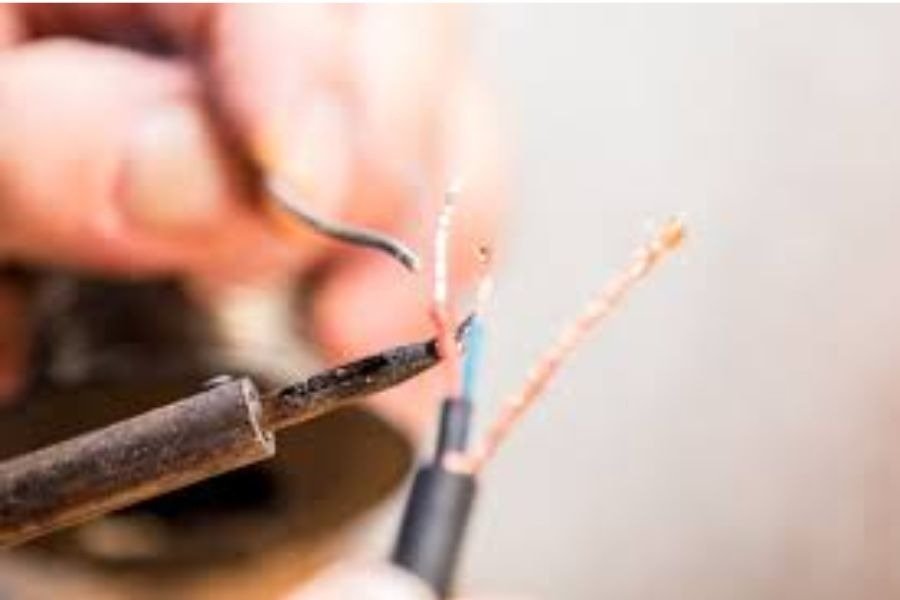
Wire is everywhere — from the smallest microchip to the largest power grid. Let’s explore how it powers modern innovation across diverse industries.
Telecommunications And the Internet
Fiber-optic and copper cables transmit the world’s data, connecting billions of people through phones, computers, and IoT devices. Without wire-based infrastructure, the digital age would not exist.
Automotive And Electric Vehicles
Modern vehicles rely on intricate wiring systems to power sensors, control systems, and entertainment units. Electric vehicles (EVs), in particular, depend on high-capacity wires and cables to deliver power efficiently between batteries and motors.
Construction And Smart Cities
Buildings today are wired for power, communication, and automation. In smart cities, advanced cabling systems integrate lighting, traffic management, and environmental monitoring — transforming urban living through intelligent connectivity.
Aerospace And Space Exploration
In satellites, spacecraft, and aviation systems, lightweight and high-strength wiring is critical for navigation, communication, and life support. Specialized materials like silver-plated copper and Teflon insulation withstand extreme conditions in space.
Renewable Energy Systems
Wires are the arteries of the green revolution. From solar panels and wind turbines to energy storage systems, sustainable wiring technologies ensure that clean power is efficiently transmitted and distributed across grids.
Sustainability And Future Trends: Smart Materials, Eco-Wires, and Recycling
As the world shifts toward sustainability, wire production is undergoing a green transformation. Traditional manufacturing often involved heavy mining, chemical processes, and non-recyclable insulation. Today, engineers are focusing on eco-friendly materials, energy-efficient production, and recycling innovations.
Eco-Conscious Materials
Manufacturers are replacing PVC insulation with biodegradable and halogen-free compounds to reduce environmental impact. Conductors made from recycled copper and aluminum are gaining popularity, minimizing waste and energy consumption.
Energy-Efficient Manufacturing
Modern wire plants use closed-loop water systems, low-emission furnaces, and renewable energy to power production. Automation and AI are optimizing resource use and reducing material waste.
Recycling And Circular Economy
Used cables are being stripped, sorted, and recycled to recover valuable metals. In a circular economy model, every strand of wire has the potential for a second life — turning waste into new infrastructure.
Smart and Self-Healing Wires
Emerging technologies are developing self-healing conductive materials that can repair microscopic damage, extending wire lifespan in demanding environments. These “smart wires” could soon power next-generation robotics, wearables, and aerospace systems.
Conclusion:
From ancient copper strands to superconducting marvels, wire has been — and continues to be — the invisible force binding humanity together. It carries energy, information, and imagination, bridging gaps across time, space, and technology.
The question “Can speaker wire be used for power?” may seem simple, but it opens the door to a deeper truth: every wire, no matter how small, represents centuries of innovation and the unending pursuit of progress. Whether it’s powering a tiny speaker or transmitting data between continents, wire connects more than circuits — it connects human destiny.
As we move into an age of smart cities, renewable energy, and quantum computing, one thing remains certain: our future will always be wired for innovation.
FAQs
1. Can speaker wire be used for power?
Only for small, low-power devices.
It’s not safe for high-current use.
Speaker wire can overheat if overloaded.
2. What’s the difference between power wire and speaker wire?
Power wire handles more current.
Speaker wire is made for sound signals.
They differ in size, strength, and insulation.
3. Why is copper used in most wires?
Copper conducts electricity very well.
It’s flexible, durable, and resists corrosion.
That’s why it’s used in almost every system.
4. How is fiber optic wire different?
It carries light, not electricity.
Fiber optics send data faster and farther.
They power the internet and global networks.
5. Are there eco-friendly wires?
Yes, many are now recyclable.
They use green insulation and recycled metal.
These help reduce pollution and waste.
6. What is the future of wire technology?
Smart and self-healing wires are coming.
Graphene and superconductors will lead the way.
They’ll power AI, quantum tech, and smart cities.
7. Why is wire recycling important?
It saves copper and aluminum.
Recycling cuts waste and energy use.
It helps build a cleaner, greener planet.
Keep an eye for more latest news & updates on techzloop.com!