
From the moment we switch on a light, charge a phone, or listen to music through wired headphones, one unsung hero makes it all possible — the wire. It is the silent carrier of energy and information, bridging distance, enabling communication, and powering civilization. While the debate about whether wired headphones drain battery continues in the digital age, the question itself points toward a broader truth: wires — in all their forms — are the arteries of human innovation.
Wire is more than a strand of metal; it’s a symbol of human progress and connectivity. From ancient copper coils to fiber-optic threads thinner than a hair, wires have evolved alongside our species, carrying not only electricity but also the story of our technological ascent.

Origins: How Ancient Civilizations Discovered the Power of Wire
The story of wire begins thousands of years ago. Early civilizations such as the Egyptians and Mesopotamians discovered the ductility of metals like gold and copper, hammering and stretching them into thin strands. These primitive wires were used in jewelry, tools, and primitive electrical experiments long before electricity was understood.
The first recorded use of copper wire dates back to around 2600 BCE in ancient Egypt, where artisans used drawn copper strands to craft intricate ornaments. Over time, wire transcended aesthetics, becoming a practical material for binding, conducting, and connecting. The ancient Greeks and Romans later employed bronze and iron wires in weaponry and structural engineering, unknowingly laying the groundwork for the electrified world to come.
It wasn’t until the 19th century that wire took on a new identity — as a vessel for power and communication. When electricity and magnetism met, humanity’s relationship with wire transformed forever.
Revolution: Industrial and Electrical Breakthroughs That Changed History
The Industrial Revolution turned wire from craft to cornerstone. The invention of the telegraph in the 1830s was the first major step in connecting the world through wire. Samuel Morse’s telegraph lines stretched across continents, transmitting messages almost instantaneously — a feat previously unimaginable.
Then came Alexander Graham Bell’s telephone in 1876, which turned wires into conduits of the human voice. By the late 1800s, Thomas Edison and Nikola Tesla had unleashed electricity’s potential, igniting cities and industries through networks of copper and aluminum wiring.
In the 20th century, wire became the backbone of innovation — enabling radio, television, and early computers. It’s not an exaggeration to say that every major technological milestone in modern history has been powered, transmitted, or sustained by a strand of wire.
Types and Technologies: From Copper and Aluminum to Fiber Optics and Graphene Wires
Copper — The Timeless Conductor
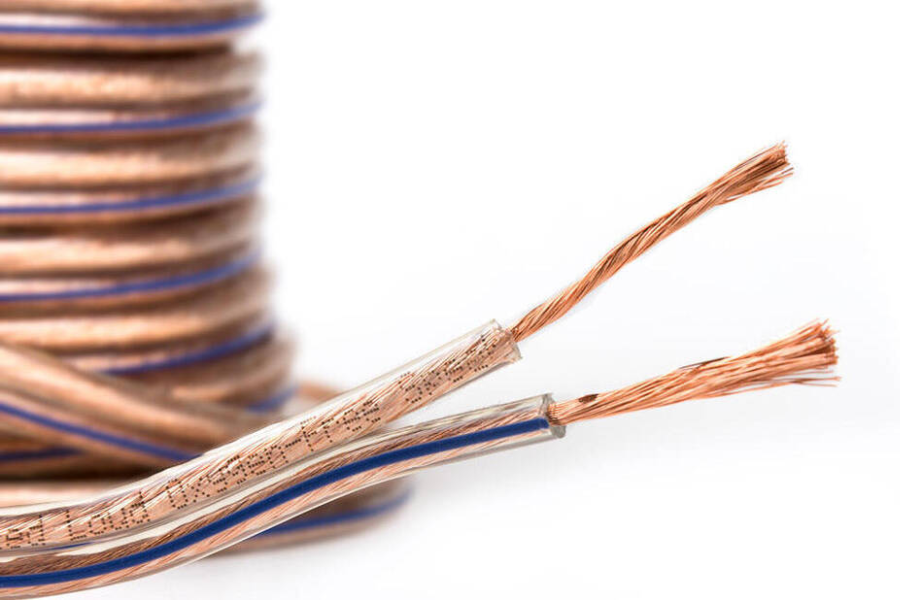
Copper remains the king of conductivity. Its balance of flexibility, strength, and electrical efficiency makes it indispensable in power grids, electronics, and telecommunications. Despite new materials emerging, copper’s versatility continues to dominate industries worldwide.
Aluminum — The Lightweight Workhorse
When weight and cost matter, aluminum steps in. Used extensively in high-voltage transmission lines and aerospace wiring, aluminum offers a practical alternative to copper, albeit with slightly reduced conductivity.
Fiber Optics — Light Speed Connectivity
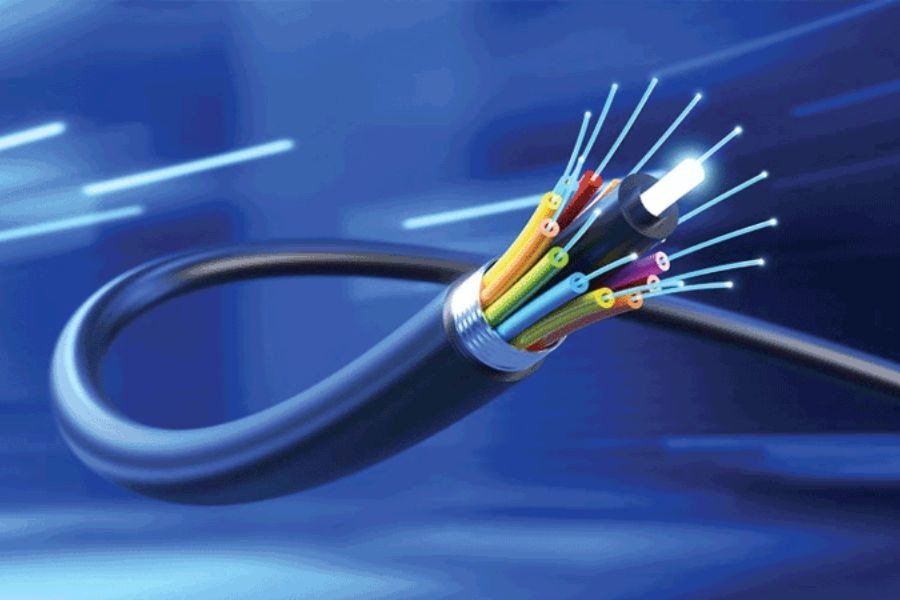
The invention of fiber-optic wire marked a quantum leap in communication technology. Instead of electrons, light pulses now travel through glass or plastic fibers, carrying vast amounts of data at near-light speeds. These threads power the internet, cloud computing, and AI systems — making global connectivity instantaneous.
Graphene and Superconductors — The Future Frontier
In research labs, the next generation of wire is being born. Graphene — a one-atom-thick sheet of carbon — offers conductivity far surpassing copper, along with flexibility and strength. Superconducting wires, which carry electricity without resistance, promise to revolutionize energy transmission, quantum computing, and magnetic levitation.
Modern Applications: How Wire Fuels Innovation Across Industries
Wires silently empower every modern industry, weaving through the framework of our digital and physical worlds.
- Telecommunications: Undersea fiber-optic cables form the nervous system of the internet, connecting continents and enabling instant communication.
- Transportation: Electric vehicles depend on precision wiring systems for battery management, control, and charging infrastructure.
- Medicine: Fine biocompatible wires power pacemakers, neural implants, and robotic surgical tools that save lives.
- Aerospace and Defense: High-resistance, lightweight wiring ensures reliable communication and power flow in extreme conditions.
- Consumer Electronics: From wired headphones to gaming consoles and home appliances, wire ensures stable connectivity and minimal latency — a reason why audiophiles still prefer wired headphones despite the rise of wireless tech.
And yes, while wired headphones technically draw a negligible amount of power from your device, they do not drain your battery in any meaningful way. In fact, they are far more energy-efficient than Bluetooth alternatives, which require constant wireless transmission and signal decoding.
Sustainability and Future Trends: Smart Materials, Eco-Wires, and Recycling
As the planet shifts toward greener technologies, the wire industry is undergoing its own sustainability revolution.
Eco-Friendly Production: Manufacturers are exploring energy-efficient refining processes and low-emission smelting techniques to minimize environmental impact. Recycled copper and aluminum are becoming mainstream, reducing the need for raw extraction.
Recyclable and Biodegradable Materials: Engineers are experimenting with bio-based insulation materials and lead-free soldering to create wires that are both durable and environmentally safe.
Smart and Self-Healing Wires: Advances in nanotechnology are leading to “intelligent” wires that can detect damage, self-repair microfractures, and communicate their health status to control systems — a critical innovation for aerospace, robotics, and infrastructure maintenance.
AI-Driven Manufacturing: Artificial intelligence is optimizing wire design and production. Machine learning models predict wear, reduce material waste, and enhance electrical performance for smart grids and renewable energy systems.
Quantum and Superconducting Futures: In the not-so-distant future, we may see wires capable of transmitting electricity without loss, enabling near-perfect efficiency. These breakthroughs could power quantum computers, interplanetary communication, and ultra-fast transportation systems.
Conclusion
Wire is more than a physical connector — it is a metaphor for human progress itself. From the first copper threads forged in ancient fire to the invisible light paths of modern fiber optics, wire has been the constant companion of innovation.
It connects cities, powers dreams, and transmits the essence of our civilization — information, energy, and emotion. As we move deeper into the age of AI, smart cities, and quantum technologies, the humble wire continues to evolve, reminding us that even in a wireless world, true connection still depends on the strength of what lies beneath.
Wired headphones, superconducting cables, or fiber-optic networks — all serve as proof that human ingenuity flows best through connection. The story of wire is, in essence, the story of us — a continuous thread weaving past, present, and future into one electrified journey of discovery.
FAQs
1. Do wired headphones drain battery?
Wired headphones use a very small amount of power and do not significantly drain your device’s battery compared to wireless ones.
2. When was wire first invented?
The earliest use of wire dates back to ancient Egypt around 2600 BCE, where copper strands were crafted for tools and ornaments.
3. Why is copper still the most used wire material?
Copper offers excellent conductivity, flexibility, and durability, making it ideal for most electrical and communication uses.
4. What are fiber-optic wires used for?
Fiber-optic wires transmit data through light, enabling high-speed internet, telecommunications, and cloud connectivity.
5. What makes graphene and superconducting wires special?
They can carry electricity with minimal or zero resistance, paving the way for ultra-efficient power transmission and quantum computing.
6. How do wires impact modern technology?
Wires power and connect everything from smartphones and EVs to space missions and AI-driven infrastructure.
7. Are there eco-friendly wires?
Yes, manufacturers now use recycled metals and bio-based insulation to create sustainable, low-impact wiring systems.
8. What is the future of wire technology?
The future lies in smart, self-healing, and superconducting wires that will support renewable energy, AI, and smart city networks.
Keep an eye for more latest news & updates on techzloop.com!