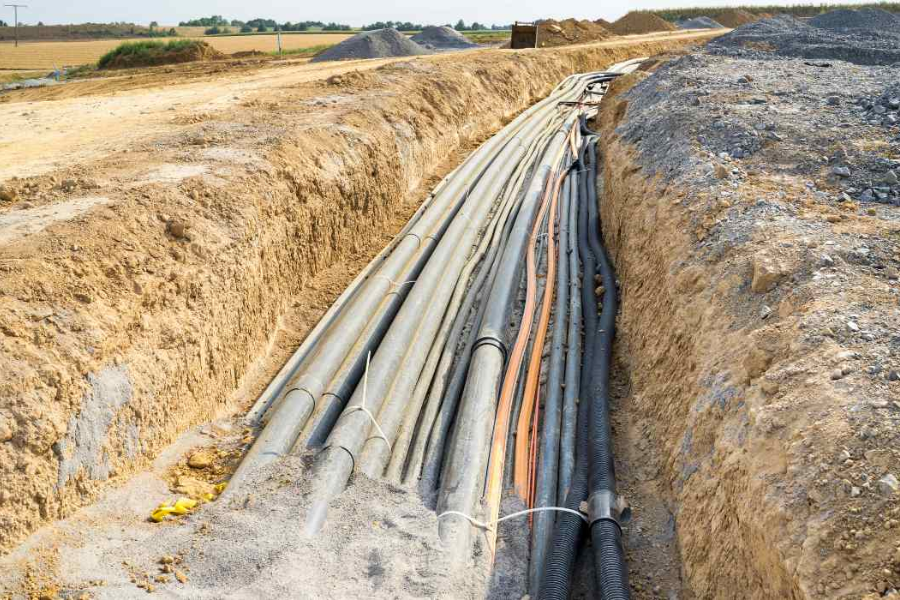
From the first flicker of electricity to the digital age of fiber optics, wire has been the silent force powering human progress. It carries light, sound, and energy—turning ideas into innovation and innovation into reality. Whether it’s the cable running through a city’s power grid or the fine strands inside your smartphone, wire is the invisible thread that connects our modern world.
But what makes a wire so essential—and how has it evolved from simple metal strands to the advanced materials that now support global communication, renewable energy, and automation? Let’s explore how innovations like THHN wire and fiber optics have redefined connectivity and sustainability in the 21st century.
The History And Evolution of Wire Technology
The story of wire begins thousands of years ago. Ancient Egyptians and Mesopotamians first discovered that thin strands of copper and gold could be shaped for jewelry and early tools. But with the dawn of electricity in the 19th century, wire took on a new purpose—it became the lifeline of the industrial age.
By the early 1900s, copper and aluminum wires powered homes, factories, and telegraph lines. Over time, advancements in insulation, alloying, and manufacturing transformed wire into a high-performance technology capable of transmitting power, data, and signals over vast distances. The invention of fiber optic cables in the late 20th century marked another leap, replacing metal with glass fibers that carry light instead of electricity—enabling high-speed internet and global communication.
Today, we’ve reached a point where even specialized wiring, such as THHN wire (Thermoplastic High Heat-resistant Nylon-coated), represents the sophistication of modern engineering—combining durability, safety, and performance for industrial and residential applications.
3. Different Types of Wires and Their Applications
Modern civilization depends on a wide range of wire types, each designed for a specific purpose:
THHN Wire
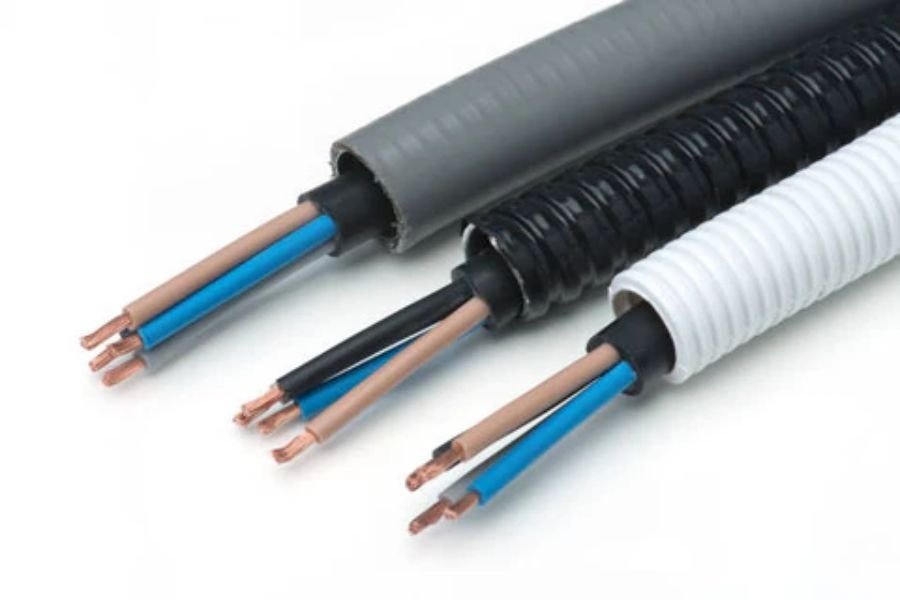
THHN wire is a copper or aluminum conductor coated with thermoplastic insulation and a nylon sheath. It’s designed for dry or damp environments and commonly used in conduits for building wiring. While THHN wire itself isn’t rated for direct burial, it can be safely buried when placed inside a conduit, protecting it from moisture and corrosion.
Electrical Wire and Cable
These wires form the backbone of every power system. They come in different gauges, materials, and insulations depending on voltage, temperature, and installation environment. Common examples include NM (non-metallic) cables for indoor use and UF (underground feeder) cables for outdoor direct burial.
Coaxial and Communication Cables
Used in televisions, satellite systems, and data transmission, these cables have a central conductor surrounded by insulation and shielding, preventing signal interference.
Fiber Optic Cables
Instead of metal, these use glass or plastic fibers to transmit data as pulses of light. They allow massive amounts of information to travel across continents at the speed of light, forming the backbone of global internet connectivity.
Specialty And High-Performance Wires
Modern industries rely on superconducting wires, tinned copper wire, and heat-resistant alloys for applications ranging from medical imaging to aerospace and renewable energy systems.
The Science of Conductivity And Materials Used
At the heart of every wire lies one fundamental property—conductivity. Conductivity is the ability of a material to allow electrons (or photons, in fiber optics) to move freely, enabling the transfer of energy or data.
Copper And Aluminum
Copper remains the gold standard for electrical wiring because of its high conductivity, flexibility, and corrosion resistance. Aluminum, on the other hand, offers a lighter and more cost-effective alternative, ideal for large-scale power distribution.
Insulation AndCoating
Materials like PVC (polyvinyl chloride), XLPE (cross-linked polyethylene), and nylon protect the conductive core from environmental factors and electrical faults. In THHN wire, for example, the nylon jacket acts as a protective barrier against oil, gasoline, and moisture.
Superconductors
At extremely low temperatures, certain materials exhibit zero electrical resistance, allowing for the lossless transfer of electricity. Superconducting wires are revolutionizing power transmission and magnetic technologies like MRI machines.
Fiber Optics
Here, light replaces electricity. Each strand of optical fiber carries information encoded in light waves, making it immune to electromagnetic interference and capable of transmitting terabytes of data instantly.
Innovations Shaping the Future of Wiring
As technology evolves, so does the science of wiring. Today’s innovations focus on improving efficiency, safety, and sustainability.
Smart Materials
Modern wires integrate sensors and AI-compatible materials that monitor temperature, voltage, and performance in real-time, reducing maintenance costs and preventing electrical failures.
Superconducting Cables
Superconductors are leading the charge in high-efficiency power grids, enabling near-zero energy loss during transmission—a major step toward sustainable energy systems.
Fiber Optic Revolution
Fiber optics continue to advance, offering faster, more reliable communication across the world. With the rise of 5G and AI-driven networks, these cables are becoming the nervous system of the digital world.
Recyclable And Eco-Friendly Wires
Manufacturers are developing biodegradable insulation materials and recyclable metals to reduce the environmental footprint of wire production.
Environmental Concerns And Sustainable Production
The production and disposal of electrical wires pose environmental challenges—from metal mining and plastic waste to energy consumption in manufacturing. However, the industry is taking significant steps toward sustainability:
- Recycling Copper and Aluminum: Most modern wire manufacturers recover and reuse metals from old cables, reducing the need for new mining.
- Eco-friendly Insulation: New polymer blends use less toxic additives, lowering pollution and improving recyclability.
- Energy-efficient Production: Automated processes and renewable-powered factories help minimize carbon emissions.
- Smart Waste Management: Old electrical systems are now being dismantled and recycled systematically to prevent land and water contamination.
These steps ensure that the wires of tomorrow not only connect the world but also protect it.
Conclusion
From ancient copper tools to quantum communication cables, wire has evolved alongside humanity. It lights our homes, drives our industries, and connects our hearts and minds across oceans. Technologies like THHN wire, fiber optics, and superconductors are not just materials—they’re milestones in our journey toward a more connected, efficient, and sustainable future.
In the question of whether THHN wire can be buried in conduit, the answer is yes—safely and effectively. But more broadly, the story of wire is about more than installation methods; it’s about how this simple yet powerful invention continues to shape civilization itself.
As we move deeper into the age of innovation, one thing remains certain: wire, in all its forms, will continue to be the lifeblood of modern progress—quietly connecting the world through innovation.
FAQs
1. Can THHN wire be buried directly underground?
No, THHN wire cannot be buried directly in the ground because it is not rated for constant exposure to moisture or soil conditions. However, it can be safely buried inside a watertight conduit, which protects it from corrosion, abrasion, and water damage.
2. What type of wire can be buried directly?
Wires labeled UF (Underground Feeder) or USE (Underground Service Entrance) are designed for direct burial. They have heavy-duty insulation that resists moisture, sunlight, and soil conditions, making them ideal for underground electrical installations.
3. What is THHN wire used for?
THHN wire is commonly used for building wiring, machine tools, control circuits, and conduit installations. It’s known for its heat resistance, durability, and nylon-coated protection, making it suitable for dry or damp indoor environments.
4. What does THHN stand for?
THHN stands for Thermoplastic High Heat-resistant Nylon-coated. This means the wire uses thermoplastic insulation that withstands high temperatures and a nylon jacket that provides extra protection from oil, gasoline, and mechanical wear.
5. Can THHN wire be used outdoors?
Yes, THHN wire can be used outdoors, but only inside a conduit. It should not be exposed directly to sunlight or weather unless it’s dual-rated as THWN or THWN-2, which adds moisture resistance for outdoor and wet locations.
6. Is copper or aluminum better for electrical wiring?
Copper is the preferred choice for most applications due to its high conductivity, strength, and flexibility. Aluminum is lighter and more cost-effective, making it ideal for large-scale power transmission where weight and budget are key factors.
Keep an eye for more latest news & updates on techzloop.com!