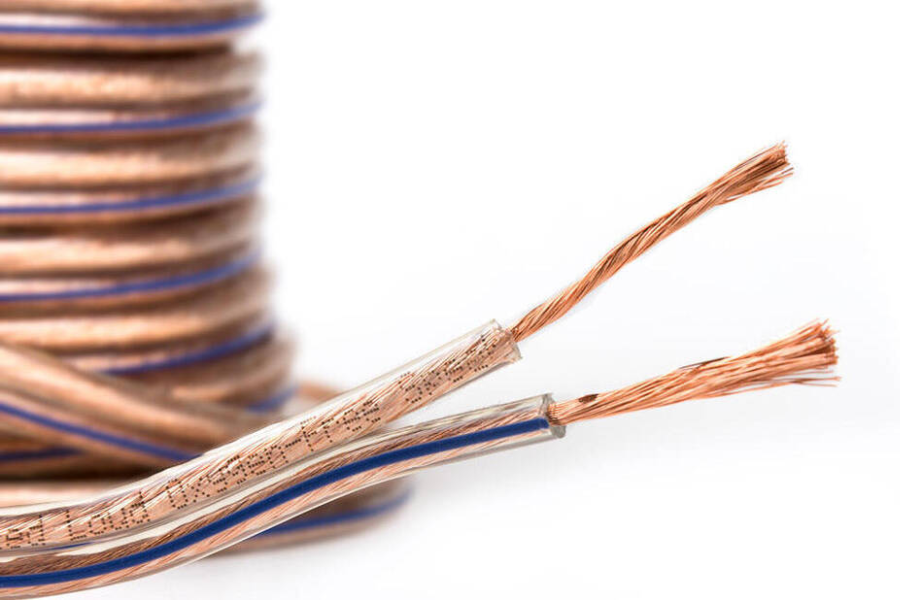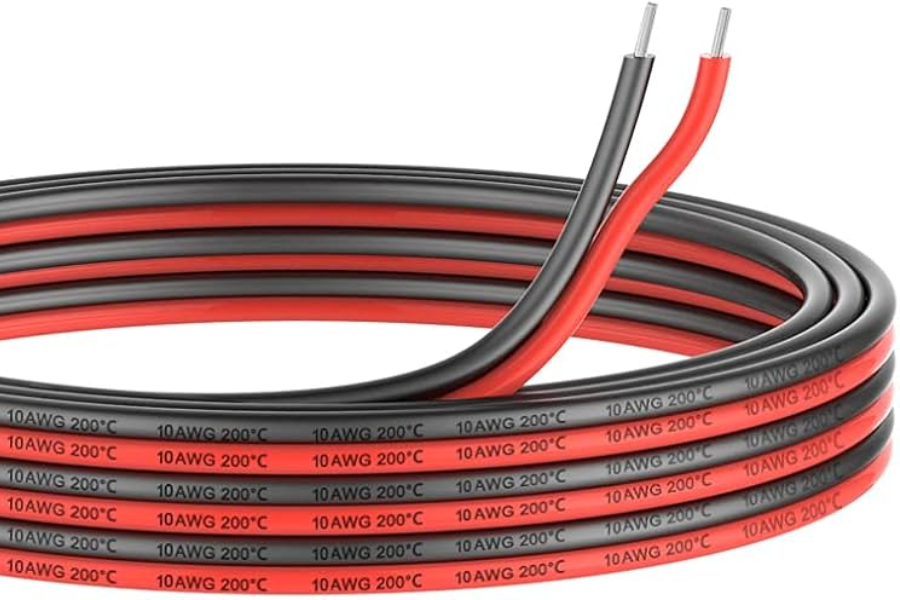
From the moment electricity began powering our homes and industries to the rise of fiber-optic communication networks, wire has served as the invisible thread weaving together the modern world. Whether it’s the copper strands transmitting electrical current or the stainless-steel wires reinforcing architectural marvels, wire remains one of humanity’s most transformative inventions.
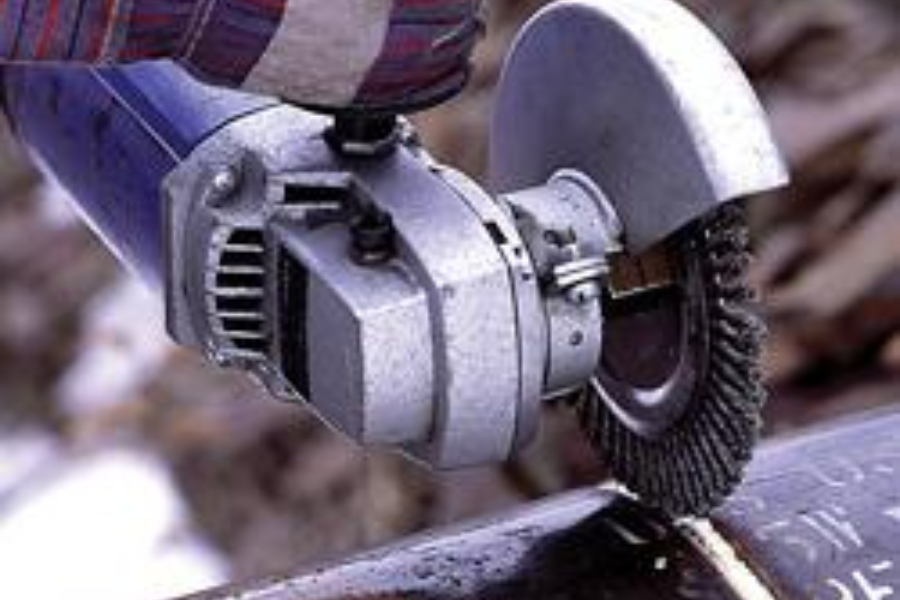
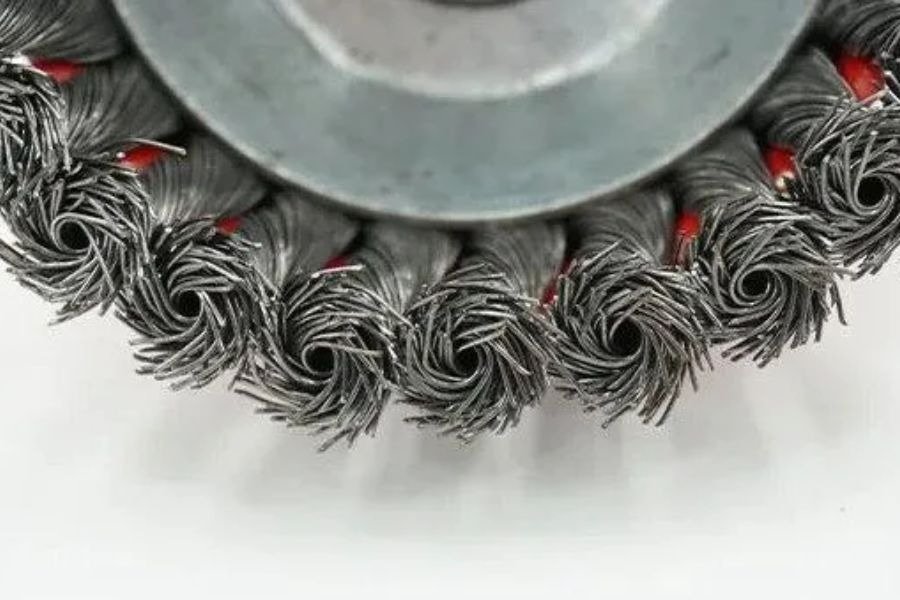
But beyond its use in electricity and infrastructure, wire plays a vital role in manufacturing, cleaning, and maintenance. A prime example is the wire brush — a tool commonly used for removing rust, paint, and corrosion. This raises a common question: can you use a wire brush on stainless steel?
To answer this, we must explore not just the function of the wire brush but also the fascinating evolution of wire technology — from its humble beginnings to the advanced, high-performance materials shaping our future.
The History and Evolution of Wire Technology
Wire has been part of human innovation for thousands of years. The earliest known metal wires date back to ancient Egypt, where craftsmen hammered gold into thin strands for jewelry and decorative art. Over time, civilizations learned to draw metals like copper and bronze into functional wires used for tools, jewelry, and eventually early forms of communication.
The Industrial Revolution in the 18th and 19th centuries marked a turning point. With the advent of mechanical wire drawing and the discovery of electrical conductivity, wire became a cornerstone of progress. Telegraph cables revolutionized communication, and electrical wiring became essential in homes and factories.
In the 20th century, innovations such as aluminum wire, insulated copper wire, and coaxial cables paved the way for telecommunications and electronics. Then came fiber optics — strands of glass that carry light signals across continents — redefining how we share information in the digital age.
Today, we are witnessing another transformation. Smart materials, superconducting wires, and sustainable alloys are reshaping how we think about conductivity, efficiency, and environmental responsibility.
Different Types of Wires and Their Applications
Wire technology today spans a vast range of materials and applications:
Electrical Wire
The most common type, made from copper or aluminum, designed to carry electrical current safely and efficiently. Used in homes, vehicles, and industries worldwide.
Stainless Steel Wire
Known for its strength, corrosion resistance, and longevity, stainless steel wire is used in construction, medical tools, marine environments, and even kitchen equipment.
Communication and Fiber Optic Wire
Fiber optic cables, made from ultra-thin glass or plastic strands, transmit data at the speed of light — powering the internet, telecommunication, and satellite systems.
Specialty Wires
Includes nichrome wire for heating elements, tungsten wire for lighting filaments, and superconducting wire for advanced scientific applications like MRI machines and particle accelerators.
Each type of wire serves a unique purpose — and when it comes to maintenance and cleaning, choosing the right tools (like brushes) becomes crucial to preserving performance and preventing damage.
Can You Use a Wire Brush on Stainless Steel?
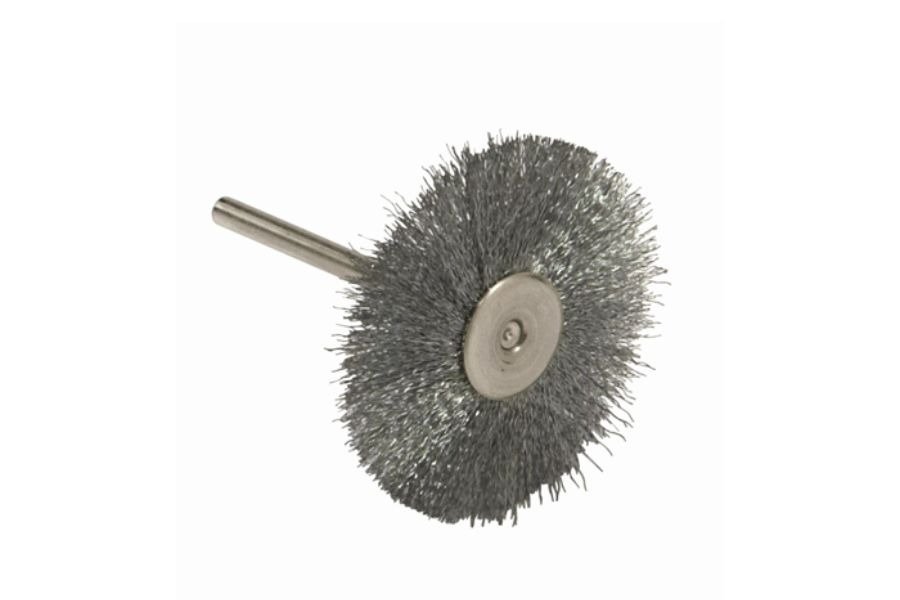
Here’s the answer many professionals seek: Yes, but with caution.
Using a wire brush on stainless steel is possible, but it depends on the type of brush and how it’s used. The main concern is cross-contamination — when small particles from a carbon steel brush embed into the stainless surface, causing rust or corrosion later.
Best Practices:
- Use Stainless Steel Wire Brushes Only:
Always use a brush made of stainless steel wire when cleaning stainless surfaces. This prevents contamination and preserves the metal’s corrosion resistance. - Avoid Mixing Tools:
Never use a wire brush that has previously been used on mild steel or other metals. Even trace amounts of iron can compromise stainless steel’s protective oxide layer. - Use Gentle Pressure:
Apply moderate pressure to remove contaminants without scratching or gouging the surface. - Clean and Inspect After Brushing:
After brushing, wipe the surface with a clean cloth and an appropriate cleaner to ensure all residues are removed.
By following these steps, you can maintain the integrity and appearance of stainless steel without compromising its durability or shine.
The Science of Conductivity and Materials Used
At the heart of wire technology lies the science of conductivity — the ability of a material to allow the flow of electrical current.
- Copper: The gold standard for electrical conductivity, offering low resistance and excellent ductility.
- Aluminum: Lighter and more cost-effective, widely used in power transmission lines.
- Silver: The most conductive metal, but its high cost limits its use to specialized applications.
- Stainless Steel: Although not as conductive as copper, it offers unmatched corrosion resistance and mechanical strength, making it ideal for harsh or high-stress environments.
Conductivity depends not only on the material but also on temperature, purity, and structure. This understanding drives innovations in alloys, coatings, and even quantum materials that minimize energy loss and enhance performance.
Innovations Shaping the Future of Wiring
Wire technology continues to evolve with groundbreaking innovations that blend physics, engineering, and sustainability:
Fiber Optics and Photonics
Instead of electricity, these cables transmit information using light — offering faster speeds and greater data capacity with minimal signal loss.
Superconducting Wires
Made from advanced alloys cooled to near absolute zero, these wires conduct electricity without resistance, enabling energy-efficient power grids and magnetic levitation trains.
Nanowires and Smart Materials
Nanotechnology has made it possible to create wires only a few atoms thick, used in sensors, medical implants, and flexible electronics.
Recyclable and Bio-Based Insulation
Eco-friendly alternatives to PVC insulation are emerging, reducing environmental impact while maintaining safety and performance.
These innovations are paving the way toward a future where connectivity is faster, cleaner, and more sustainable.
Environmental Concerns and Sustainable Production
While wire drives progress, its production raises environmental concerns — from mining raw materials to energy-intensive manufacturing. Copper and aluminum extraction, for instance, can result in soil degradation and carbon emissions.
To counter these effects, manufacturers are embracing sustainable practices, including:
- Recycling Scrap Wire: Reusing copper and aluminum reduces the need for new mining.
- Energy-Efficient Smelting: Modern refineries are cutting emissions through improved furnace technology.
- Eco-Friendly Coatings and Insulation: Replacing toxic materials with recyclable, biodegradable alternatives.
- Renewable Energy Integration: Factories increasingly power operations with solar, wind, or hydroelectric energy.
Sustainability isn’t just a trend — it’s a necessity. The future of wiring depends on balancing technological advancement with environmental stewardship.
Conclusion
From the stainless-steel wire that strengthens bridges to the fiber-optic strands enabling global communication, wire is the silent force behind human progress. It connects cities, powers industries, and brings people closer in ways that were once unimaginable.
FAQs
1. Can you use a wire brush on stainless steel?
Yes, you can — but only if the brush is made from stainless steel bristles. Using carbon steel or brass brushes can contaminate the surface and lead to rust or corrosion.
2. Why should I use a stainless steel wire brush for cleaning stainless steel?
Stainless steel wire brushes prevent cross-contamination. Using the same brush on different metals can transfer particles that damage the stainless steel’s protective chromium oxide layer, causing surface rust.
3. What happens if I use a carbon steel wire brush on stainless steel?
Tiny carbon steel particles can embed into the stainless surface, leading to rust spots and corrosion over time — even if the stainless steel was originally corrosion-resistant.
4. Can I reuse a wire brush on both steel and stainless steel?
No. Each brush should be dedicated to one type of metal only. Mixing them can result in contamination and compromise the finish and durability of stainless steel.
5. How do I properly clean stainless steel with a wire brush?
Use a stainless steel wire brush, apply gentle pressure, and brush in the direction of the grain. Afterwards, wipe the surface clean with a soft cloth and a stainless-safe cleaner.
6. Are wire brushes the only tool for cleaning stainless steel?
No. Alternatives include non-abrasive pads, nylon brushes, or chemical cleaners designed for stainless steel. Choose tools based on how much rust or residue you need to remove.
7. What type of stainless steel wire brush is best?
For delicate surfaces, use fine stainless bristles. For heavier rust or corrosion, a medium or heavy-duty stainless wire brush is more effective. Always match the brush strength to the task.
8. Can I use a power tool with a stainless steel wire brush attachment?
Yes, but with caution. Power tools increase cleaning speed but can cause surface scratching or overheating if used aggressively. Keep the speed moderate and avoid excessive pressure.
Keep an eye for more latest news & updates on techzloop.com!