Few inventions have shaped human civilization as profoundly as the humble wire. Thin, flexible, and unassuming, wire silently powers our world—carrying the lifeblood of modern existence: electricity, data, and connectivity. From the intricate circuitry inside smartphones to the vast networks that span continents, wire is the invisible force that keeps humanity connected.
Yet, beyond its physical form, wire represents something deeper—a symbol of human progress and the ceaseless drive to link minds, machines, and worlds together. As we move toward an AI-driven, hyperconnected future, the evolution of wire continues to redefine what it means to communicate, innovate, and build sustainably.

Origins: How Ancient Civilizations Discovered the Power of Wire
The story of wire begins thousands of years ago, long before electricity was understood. Archaeological findings show that as early as 2000 BCE, ancient Egyptians were hammering and twisting copper into thin strands for jewelry, tools, and early electrical experiments involving static charge.
Copper—soft, malleable, and highly conductive—was humanity’s first step toward harnessing energy. In ancient Mesopotamia and Greece, artisans discovered that shaping metals into thin lines enhanced both function and beauty, giving rise to early wiring techniques. Though primitive, these strands foreshadowed the profound role copper wire would later play in the dawn of the electrical age.
By the 18th and 19th centuries, with scientists like Benjamin Franklin and Alessandro Volta unlocking the mysteries of electricity, wire became indispensable. Telegraph systems soon stretched across nations, transforming communication from a matter of days to seconds. The world, for the first time, became interconnected—one signal at a time.
Revolution: Industrial and Electrical Breakthroughs That Changed History
The Industrial Revolution marked a turning point in the evolution of wire. As steam engines, factories, and power plants surged into existence, so did the demand for efficient electrical transmission.
In 1879, Thomas Edison’s invention of the practical electric light bulb triggered an electrification boom. Copper wire became the conduit of progress, threading through walls, cities, and nations to bring light, energy, and productivity. The first power grids were born, driven by miles of copper cables stretching from generators to homes.
Then came the telephone, the radio, and later, television—each milestone made possible through innovative wire systems. The 20th century saw the rise of aluminum wiring for cost efficiency and high-voltage transmission, while coaxial cables and early fiber optics paved the way for global data exchange.
Wire had transcended utility; it became the nervous system of the modern world.
Types and Technologies: From Copper and Aluminum to Fiber Optics and Graphene Wires
Today’s wires are marvels of material science and precision engineering. The diversity of wire types reflects the complexity of our interconnected world:
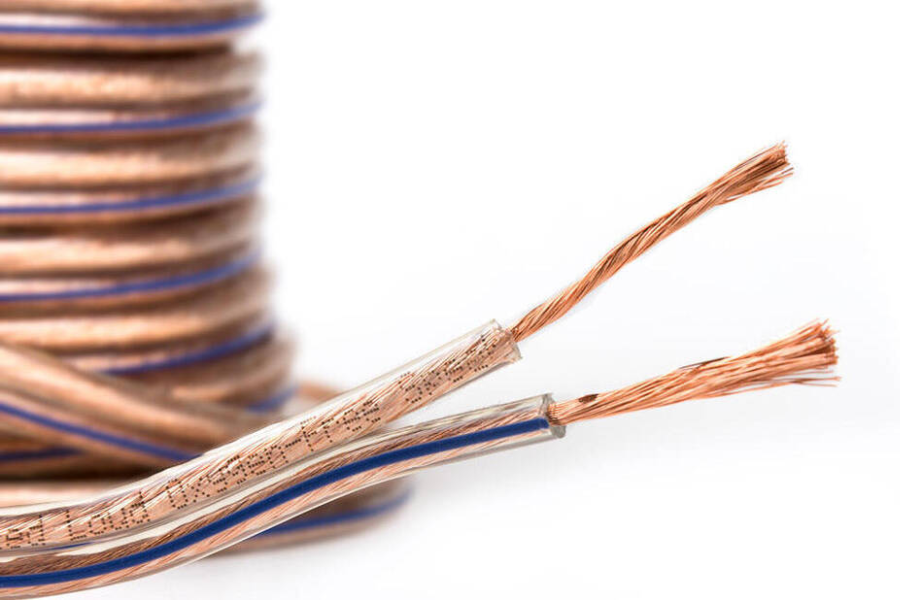
- Copper Wire: Still the gold standard for electrical conductivity, copper is used in power grids, electronics, and renewable systems.
- Aluminum Wire: Lightweight and affordable, aluminum powers long-distance transmission lines and aviation industries.
- Fiber Optic Cable: A quantum leap in communication technology, fiber optics use strands of glass to transmit light signals, enabling internet speeds that underpin the digital era.
- Superconducting Wire: Made from advanced materials like niobium-titanium, these wires carry electricity with zero resistance—essential for particle accelerators, MRI machines, and next-gen energy systems.
- Graphene Wire: The newest frontier in wire innovation. Graphene’s atomic structure offers extreme conductivity, flexibility, and strength, opening doors to ultrafast processors, foldable electronics, and quantum communication.
Each advancement in wire technology pushes the boundaries of what’s possible, shrinking the gap between science fiction and reality.
Modern Applications: How Wire Fuels Innovation Across Industries

Wire may be ancient in concept, but its applications today are at the frontier of innovation.
- Artificial Intelligence & Data Centers: Miles of fiber and copper cables form the neural pathways of the AI revolution, connecting massive data centers that train intelligent systems.
- Transportation: From electric vehicles and hyperloops to space shuttles, advanced wiring ensures power efficiency, safety, and real-time communication.
- Healthcare: Miniaturized wire assemblies power surgical robots, pacemakers, and diagnostic imaging tools—saving lives every second.
- Telecommunications: The 5G and upcoming 6G networks depend on intricate webs of fiber optics and coaxial cables, making global connectivity faster and more reliable.
- Smart Cities: In intelligent infrastructure, sensors and smart grids rely on high-conductivity wire to manage traffic, energy, and data flow in real time.
Even in space exploration, wire remains fundamental—used in spacecraft systems, satellites, and solar power arrays that sustain missions beyond Earth.
Sustainability and Future Trends: Smart Materials, Eco-Wires, and Recycling
As global electrification accelerates, sustainability in wire production and recycling has become a moral and technological imperative.
Traditional copper and aluminum mining consume vast resources, prompting innovators to seek greener alternatives. Eco-friendly wire manufacturing now focuses on:
- Recycled Metals: Scrap copper and aluminum can be refined and reused with minimal loss in conductivity, drastically reducing environmental impact. (However, burnt copper wire—often stripped through open burning—loses purity and is rejected by most modern scrap yards due to pollution concerns. Safe recycling methods like mechanical stripping or shredding are preferred.)
- Biodegradable Insulation: Engineers are developing insulation materials from plant-based polymers instead of petroleum-based plastics.
- Energy-Efficient Smelting: Advanced furnaces powered by renewable energy sources reduce carbon emissions during wire production.
- Nanomaterial Innovation: Graphene and carbon nanotube wires promise ultra-efficient power transmission with minimal resource use.
The next evolution—“smart wires”—will integrate sensors, self-healing materials, and adaptive properties, allowing grids and devices to monitor, repair, and optimize themselves in real time.
In the near future, the wire may not just conduct electricity—it may conduct intelligence.
Conclusion
From ancient copper strands forged by hand to the quantum wires guiding AI-driven systems, the story of wire is the story of humanity itself—a tale of curiosity, creativity, and connection.
Wire has illuminated cities, bridged continents, and now fuels digital consciousness. It is the thread that stitches together civilizations, technologies, and dreams.
As we continue to build sustainable infrastructures and push toward interplanetary communication, one truth remains constant: the world runs on connection—and wire, in all its evolving forms, is the embodiment of that eternal drive to connect.
In a future defined by smart systems and renewable energy, the humble wire remains a beacon of progress—an invisible line linking humanity’s past, present, and boundless future.
FAQs
1. What role does wire play in modern technology?
Wire powers everything from homes and data centers to AI systems and space exploration, forming the foundation of global connectivity.
2. How was wire first used in ancient civilizations?
Ancient Egyptians and Greeks crafted copper strands for tools and ornaments—early examples of wire’s practical and symbolic importance.
3. Why is copper still the preferred material for electrical wiring?
Copper offers unmatched electrical conductivity, durability, and efficiency, making it ideal for power grids and electronics.
4. What are the latest innovations in wire technology?
New materials like graphene, fiber optics, and superconductors are redefining speed, flexibility, and efficiency in modern wiring.
5. How do wires support artificial intelligence and data networks?
Wires—especially fiber optics—form the data highways connecting global servers and powering the AI revolution.
6. Are scrap yards accepting burnt copper wire?
Most reputable scrap yards reject burnt copper wire because burning lowers purity and harms the environment; clean recycling is preferred.
7. What makes wire production more sustainable today?
Manufacturers are adopting recycled metals, biodegradable insulation, and renewable-energy-powered smelting to reduce environmental impact.
8. What does the future of wiring look like?
Future wires will feature smart materials, embedded sensors, and self-healing properties—creating intelligent, eco-friendly power systems.
Keep an eye for more latest news & updates on techzloop.com!