
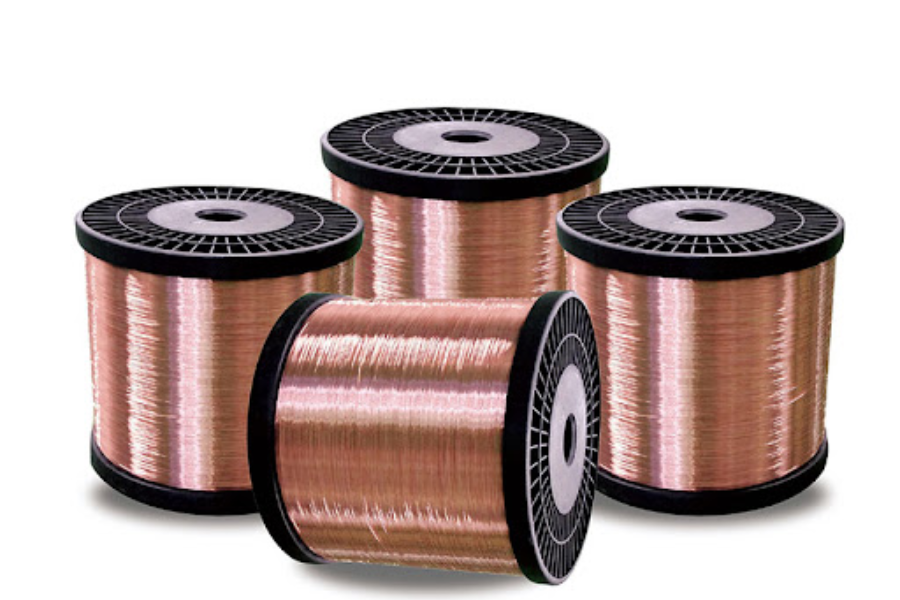
From the first electric spark to today’s complex global infrastructure, wire has remained one of humanity’s greatest inventions. Whether powering homes, running data centers, or fueling the automotive revolution, wires are the invisible lifelines of modern civilization. They carry energy, transmit data, and connect technologies that keep our societies moving forward.
But as industries continue to innovate, one question often arises in the world of automotive engineering: is copper clad aluminum wire good for automotive applications? This question is not just about one material, it’s about understanding the science, evolution, and innovation behind wire technology itself.
In a world driven by efficiency, sustainability, and performance, wires have evolved from simple metal strands to sophisticated materials engineered for strength, conductivity, and environmental balance. Let’s explore how this evolution unfolded and how materials like copper clad aluminum (CCA) wire fit into the larger picture of automotive and technological advancement.
The History and Evolution of Wire Technology

Wire technology has an ancient yet ever-evolving history. Thousands of years ago, early civilizations such as the Egyptians and Romans drew thin strips of gold, copper, and silver for jewelry and art. These early experiments laid the foundation for metalworking and eventually, for electricity’s greatest companion: the wire.
The 19th century marked the beginning of a new era. The invention of the telegraph, telephone, and electric lighting created an immense demand for conductive materials. Copper wire became the standard because of its excellent conductivity, flexibility, and corrosion resistance. Soon, copper wires were transmitting messages across continents and powering the world’s first cities.
As industries expanded, so did the types of wires. Aluminum wire gained popularity during the mid-20th century for being lightweight and cost-effective, especially in power transmission. Later, copper clad aluminum wire emerged as a hybrid option blending the conductivity of copper with the lightness of aluminum.
This innovation sparked new possibilities, especially in automotive wiring, where weight, cost, and performance all play crucial roles. And so began the debate: Is copper clad aluminum wire good for automotive use? To answer that, we first need to understand what types of wires exist and how each serves a unique purpose.
Different Types of Wires and Their Applications
Wires are more than just metallic threads; they are categorized by purpose, composition, and function. In modern industry, we encounter several main types:
a. Electrical Wires
These are the most common, used in residential, commercial, and industrial installations. They include copper, aluminum, and copper clad aluminum varieties. Electrical wires power appliances, lighting, and infrastructure.
b. Communication and Data Cables
From fiber optics to Ethernet cables, these wires transmit data at lightning speed. Fiber optic cables, in particular, use glass or plastic fibers to send information as light pulses, revolutionizing telecommunications.
c. Automotive Wires
Automotive wires power every electrical component in a vehicle from ignition systems and lighting to infotainment and safety sensors. Because vehicles demand flexibility, heat resistance, and reliability, the materials used must perform consistently in harsh environments. That’s why understanding whether copper clad aluminum wire is good for automotive is critical for manufacturers and technicians alike.
d. Specialty Wires
Used in aerospace, medical devices, and renewable energy systems, these wires often use advanced alloys and insulation designed for high temperatures, radiation, or corrosive conditions.
Each wire type has evolved to serve specific needs, yet they all share one underlying principle: efficient conductivity. To see why copper and aluminum dominate this space, we must explore the science behind their performance.
The Science of Conductivity and Materials Used
The key to a wire’s effectiveness lies in electrical conductivity, the ability of a material to allow electrons to flow freely. Among metals, silver ranks highest in conductivity, followed by copper, gold, and aluminum. However, cost and practicality make copper the most popular choice.
Copper’s atomic structure allows electrons to move with minimal resistance, which means less heat and power loss. Aluminum, on the other hand, is lighter and cheaper but has about 61% of copper’s conductivity.
To bridge the gap between these two, manufacturers developed Copper Clad Aluminum (CCA) wire, which consists of an aluminum core coated with a thin layer of copper. This design provides:
- Improved conductivity compared to pure aluminum
- Reduced weight compared to pure copper
- Lower cost for large-scale wiring projects
So, is copper clad aluminum wire good for automotive use?
Scientifically, CCA wire performs adequately for low-current circuits or signal transmission in vehicles. However, it may not be ideal for high-load applications such as starters, alternators, or heavy-duty lighting where copper’s superior conductivity and heat resistance are crucial.
In short, CCA wire balances cost and weight efficiency, but it should be used thoughtfully in automotive design, depending on performance requirements.
Is Copper Clad Aluminum Wire Good for Automotive Use?
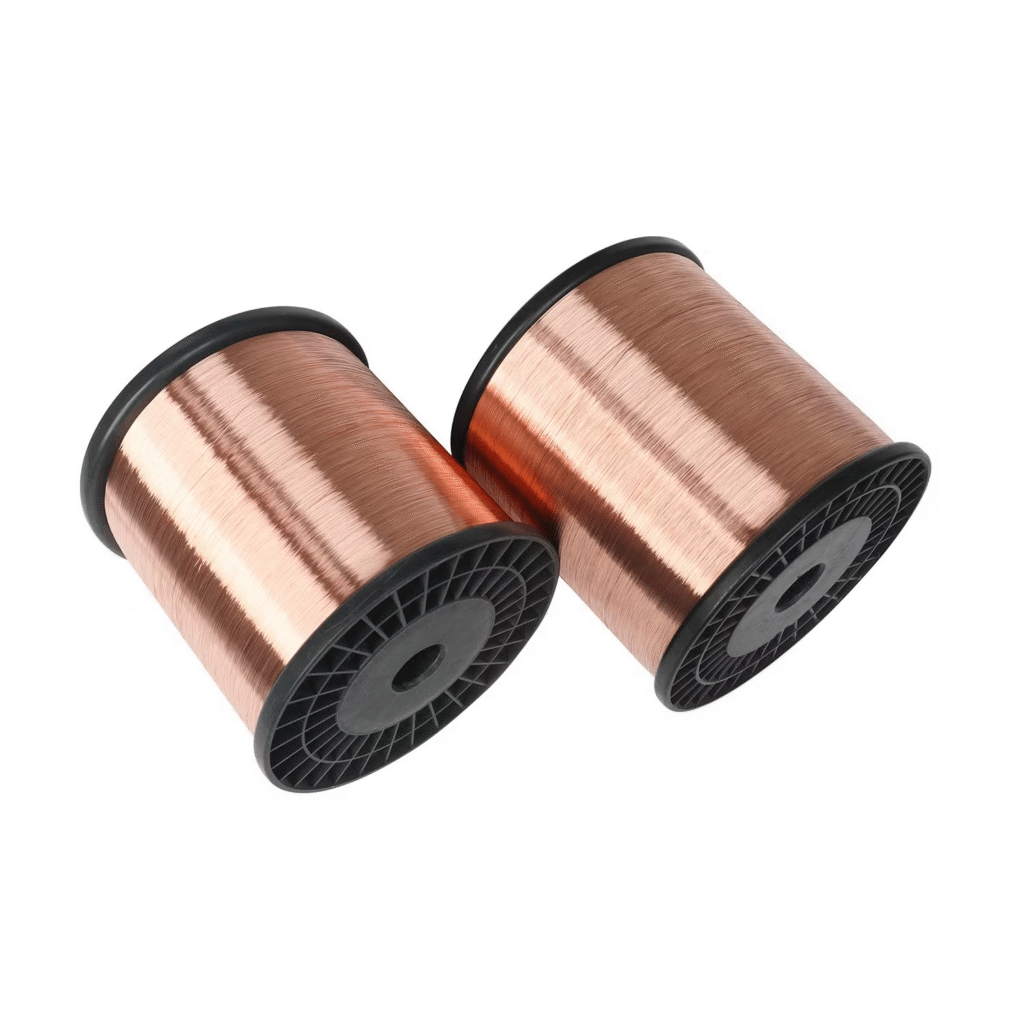
When it comes to automotive wiring, copper clad aluminum (CCA) wire is often debated for its performance and reliability. This type of wire combines the lightweight properties of aluminum with the superior conductivity of copper, making it a cost-effective alternative to pure copper wire.
CCA wire is constructed by coating an aluminum core with a thin layer of copper, which allows it to carry electrical current efficiently while reducing overall vehicle weight, a critical factor in modern automotive design where fuel efficiency and performance matter. Because of its affordability, many manufacturers use it in low-current applications such as speakers, lighting circuits, and certain signal systems.
Pros and Cons of Copper Clad Aluminum Wire in Vehicles
While copper clad aluminum wire can be suitable for specific automotive uses, it’s not ideal for every situation. CCA wire offers good conductivity at a lower cost, but it’s not as durable or corrosion-resistant as pure copper. In high-current or high-temperature environments like starter motors, alternators, or battery cables CCA may heat up faster and be prone to voltage drops or breakage over time.
However, for light-duty or interior wiring where current demand is minimal, it performs adequately and can significantly reduce overall wiring costs. Ultimately, whether copper clad aluminum wire is good for automotive depends on the vehicle’s electrical load requirements and the environment where the wire will be used.
Innovations Shaping the Future of Wiring
The journey of wire technology doesn’t stop at metal alloys. Modern innovations have redefined what wires can do both in power transmission and information transfer.
a. Fiber Optic Cables
One of the greatest advancements in wire technology, fiber optics, replaces metal conductors with ultra-thin strands of glass or plastic that transmit data using light signals. They enable ultra-fast internet, global telecommunications, and precise medical imaging systems.
b. Superconducting Wires
In scientific and industrial applications, superconducting wires carry electricity with zero resistance at extremely low temperatures. These are being developed for energy-efficient power grids, maglev trains, and quantum computing.
c. Smart and Self-Healing Wires
The latest innovations include smart materials that can monitor their own performance or even “heal” themselves after damage. In automotive systems, these could eventually predict electrical faults before they happen, improving safety and reliability.
d. Lightweight Automotive Wiring
Electric and hybrid vehicles demand lightweight solutions to maximize range and efficiency. This is where copper clad aluminum wire gains relevance again. By reducing total vehicle weight without severely compromising conductivity, it supports the automotive industry’s shift toward sustainability and performance.
So, is copper clad aluminum wire good for automotive?
When used correctly, yes it aligns with modern innovations that prioritize efficiency, cost savings, and environmental responsibility.
Environmental Concerns and Sustainable Production
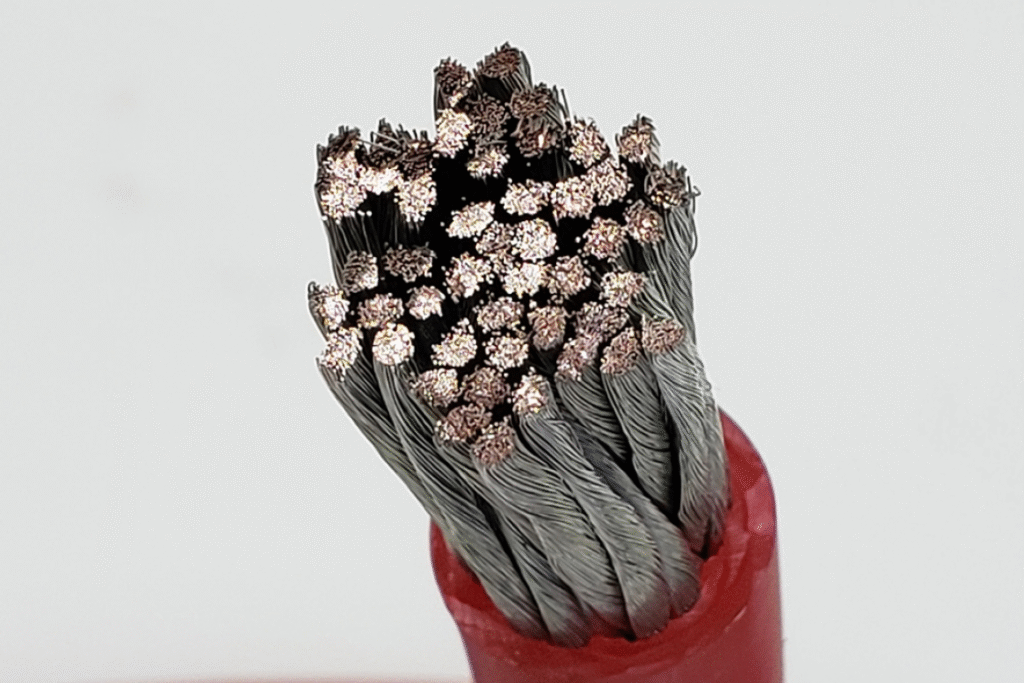
As global industries expand, the environmental impact of wire production cannot be ignored. Mining and refining metals like copper and aluminum require significant energy and generate greenhouse gases. Additionally, insulation materials and coatings contribute to industrial waste and pollution.
However, the industry is evolving toward greener manufacturing:
- Recycling: Copper and aluminum wires are highly recyclable, reducing the need for new mining. CCA wires, too, can be separated and reused through advanced recycling techniques.
- Energy-efficient processing: New smelting and electrolysis methods cut down energy consumption.
- Eco-friendly insulation: Manufacturers are replacing PVC with biodegradable or halogen-free materials.
- Lightweight designs: In automotive applications, using copper clad aluminum wire helps reduce vehicle weight, improving fuel efficiency and lowering carbon emissions.
Therefore, from a sustainability standpoint, copper clad aluminum wire is good for automotive use when part of a broader eco-conscious strategy. It minimizes material costs, reduces the carbon footprint, and supports lighter, more efficient vehicles.
Conclusion
From ancient metal strands to smart materials of the future, wire continues to be the backbone of human progress. It powers cities, drives industries, connects continents, and keeps vehicles moving. The simple act of transferring current through a wire fuels everything from smartphones to satellites.
When we ask, “Is copper clad aluminum wire good for automotive?”, we’re really asking how far innovation can go in balancing performance, cost, and sustainability.
The answer depends on the application:
- For low-current circuits, data transfer, and lightweight systems yes, CCA wire is a practical and efficient solution.
- For high-current, heat-intensive systems, pure copper wire still reigns supreme.
What’s certain is that both materials copper and aluminum have shaped the world in profound ways. As we move into an era of electric vehicles, smart grids, and renewable energy, hybrid materials like copper clad aluminum will continue to evolve, bridging the gap between technology, efficiency, and environmental responsibility.
Wire has come a long way from hand-drawn gold threads to superconductors and fiber optics. And as long as humanity strives to connect, create, and innovate, wire will remain our most powerful thread linking ideas, machines, and people across the world.
FAQs
1. Is copper clad aluminum wire good for automotive wiring?
Yes, for low-current or signal circuits. However, it’s not recommended for high-power components like starters or alternators.
2. What are the main benefits of copper clad aluminum wire?
It offers reduced weight, lower cost, and decent conductivity making it a good compromise between copper and aluminum.
3. Does copper clad aluminum wire corrode easily?
CCA wire resists corrosion better than pure aluminum because of its copper coating, but not as well as pure copper in extreme conditions.
4. Why do automakers use copper clad aluminum wire?
Automakers use it to reduce vehicle weight and production costs while maintaining acceptable electrical performance.
5. Is copper clad aluminum wire safe to use?
Yes, when installed correctly and used within its rated current capacity, CCA wire is safe and reliable for automotive and electrical use.
Keep an eye for more latest news & updates on Techzloop.com!