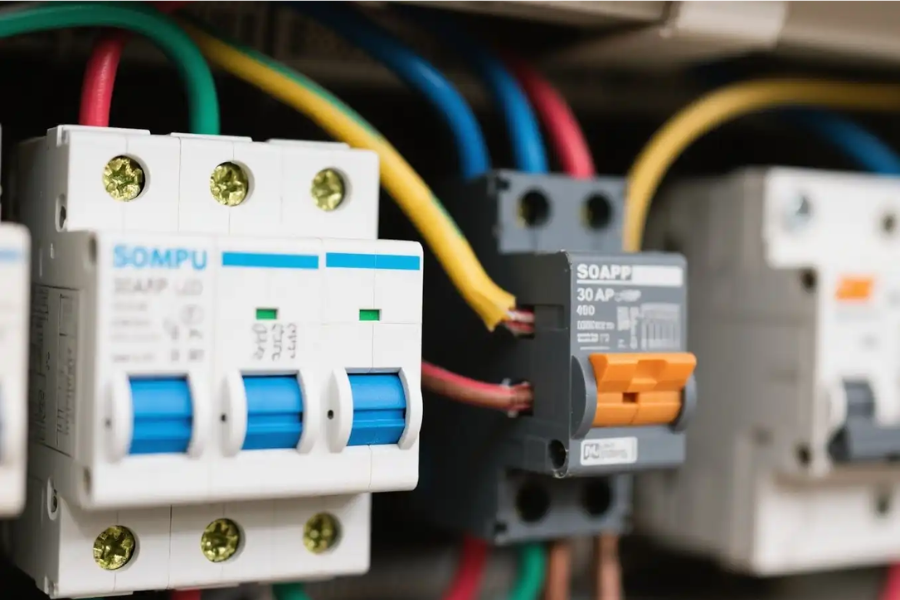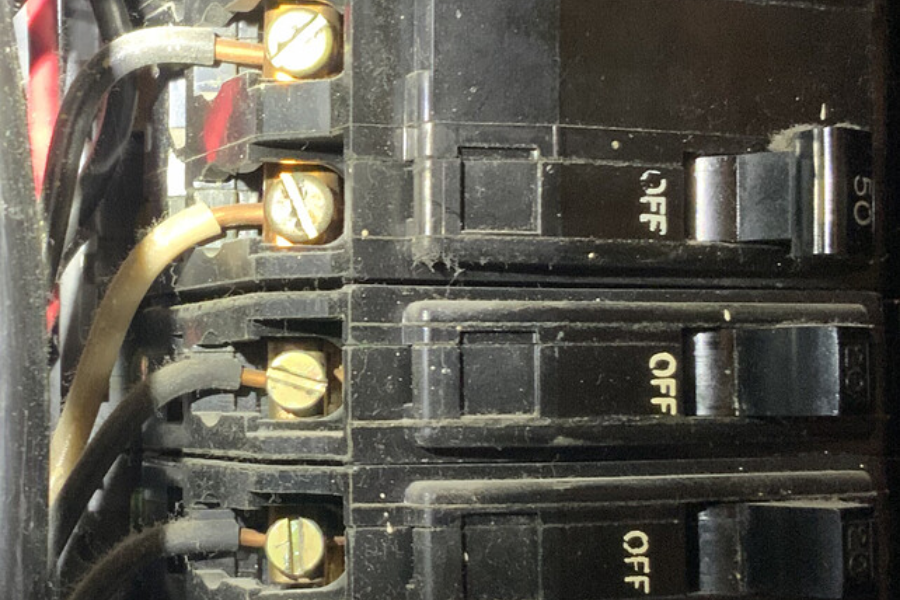
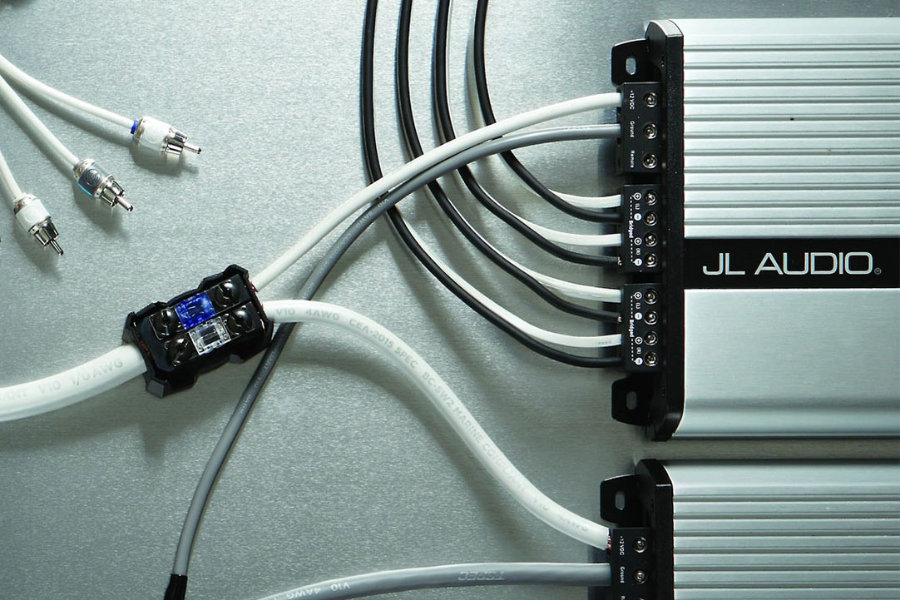
From the lights that brighten our homes to the powerful machines that drive entire industries, wire stands as one of humanity’s most vital innovations. It may seem simple as a strand of metal conducting electricity but behind every wire lies centuries of scientific progress, engineering precision, and human ingenuity.
Whether you’re asking what gauge wire for 300 amps or exploring the latest advances in fiber optics, wires are the unseen threads that connect our modern world. They power homes, transmit data, and enable technologies that define civilization from the simplest electrical circuit to the vast networks of global communication.
The question of what gauge wire for 300 amps isn’t just a technical curiosity it reflects how deeply wire technology affects safety, performance, and efficiency in every modern system. Understanding wire gauge, conductivity, and materials helps ensure that power flows efficiently and safely across all types of installations from automotive setups to renewable energy grids.
The History and Evolution of Wire Technology

Wire has existed for thousands of years, long before electricity was even understood. Early civilizations like the Egyptians and Romans used gold and copper wires for jewelry and artistic purposes. However, the 19th century marked a turning point with the invention of the telegraph and the electrical grid. Suddenly, wire became essential for human progress.
Copper emerged as the metal of choice because of its high conductivity and malleability. Aluminum followed, offering a lighter and cheaper alternative. Over time, engineers developed specialized coatings, insulation, and alloys to improve safety and performance.
By the 20th century, the world saw the rise of coaxial cables, twisted pairs, and fiber optic cables each designed to carry more power or data over longer distances. The modern age of wire technology now includes superconductors, smart materials, and nanowires that promise to revolutionize everything from renewable energy to artificial intelligence.
In the context of high-power electrical systems like industrial equipment or off-grid solar arrays, understanding what gauge wire for 300 amps is crucial. It’s a perfect example of how ancient craftsmanship has evolved into a sophisticated science of efficiency and safety.
Different Types of Wires and Their Applications
Wires come in countless forms, each tailored to specific applications. Let’s explore the most common types used today:
Electrical Wires
Electrical wires are designed to carry current from one point to another. These are typically made from copper or aluminum and come in various gauges depending on the required amperage. When determining what gauge wire for 300 amps, professionals consider the material, wire length, and voltage drop. For example, 300 amps typically require 250 to 300 MCM copper wire or 350 to 400 MCM aluminum wire, depending on the installation.
Communication and Data Wires
Fiber optic cables have redefined connectivity by transmitting data as pulses of light rather than electrical signals. These cables provide faster, cleaner, and more efficient data transmission essential for high-speed internet and telecommunications.
Coaxial and Twisted Pair Cables
Used widely in networking and television, these cables are designed to minimize interference and signal loss. Their layered design ensures clear communication even over long distances.
Automotive and Marine Wires
In the automotive world, durability and flexibility are key. When wiring high-output alternators, inverters, or electric motors, knowing what gauge wire for 300 amps helps prevent overheating and voltage drop is critical for both performance and safety.
Industrial and Power Distribution Cables
Heavy-duty cables designed for large currents must meet strict safety and efficiency standards. These include welding cables, feeder wires, and renewable energy cables where high current flow demands precise gauge selection.
The Science of Conductivity and Materials Used
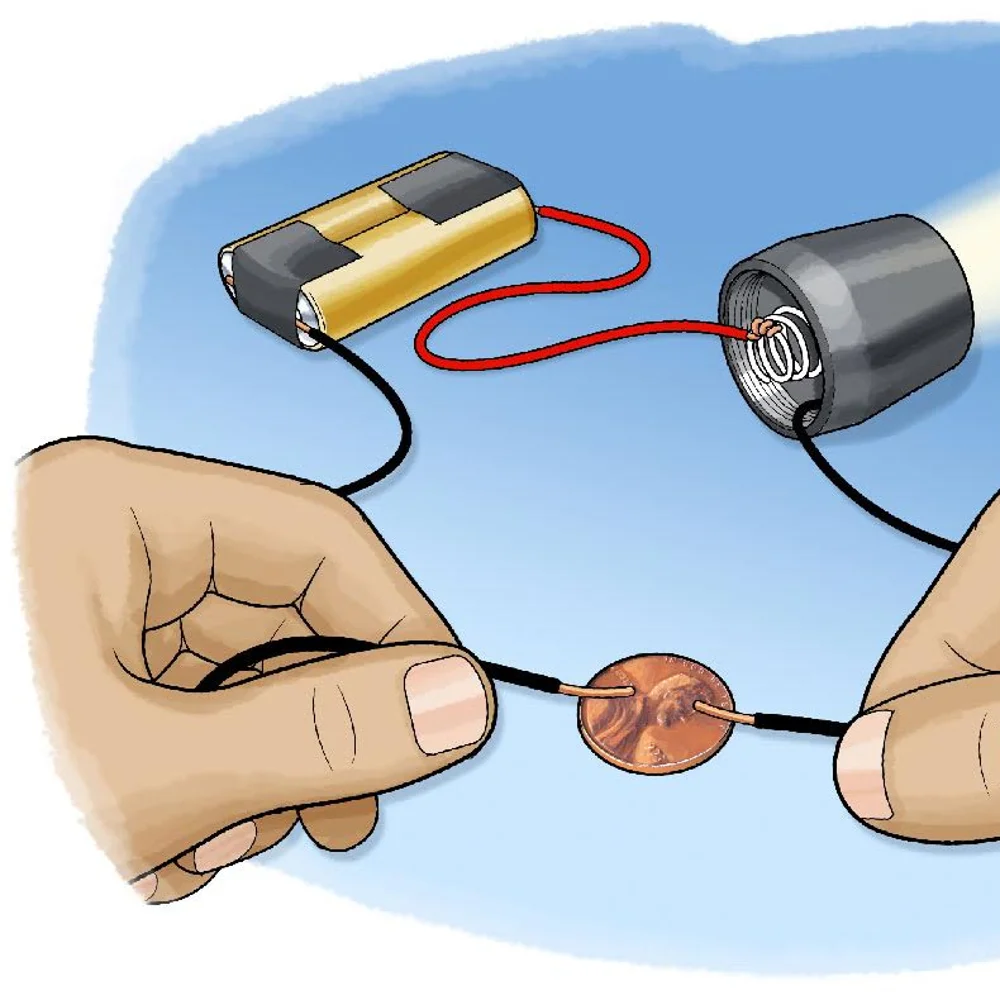
To understand what gauge wire is for 300 amps, one must first understand the science behind electrical conductivity. Conductivity refers to how easily electrons can flow through a material.
Copper
Copper remains the top choice for electrical wiring due to its excellent conductivity, ductility, and resistance to corrosion. Its atomic structure allows electrons to move freely, making it ideal for high-current applications.
Aluminum
Although less conductive than copper, aluminum is lighter and more cost-effective. However, it requires a thicker gauge to carry the same current safely. For example, when determining what gauge wire for 300 amps, aluminum wire must be larger in diameter than copper wire to prevent overheating.
Silver and Gold
These metals have even higher conductivity than copper, but their cost limits them to specialized uses such as aerospace or microelectronics.
Superconductors and Smart Materials
Recent advances in wire technology include superconducting materials that can carry electricity with zero resistance when cooled to very low temperatures. Similarly, smart materials embedded with sensors can monitor performance, detect faults, and even repair themselves.
Insulation and Coatings
The outer layer of a wire is just as important as the conductor inside. Modern insulation materials like PVC, Teflon, or silicone protect against heat, moisture, and abrasion. They also ensure safety when handling high currents, like those in systems requiring 300-amp wire.
What Gauge Wire for 300 Amps
Now, let’s address the central question: what gauge wire for 300 amps?
Wire gauge refers to the thickness of a wire, measured using the American Wire Gauge (AWG) system. The lower the number, the thicker the wire and the more current it can safely handle.
For a 300-amp electrical load:
- Copper wire: You’ll need 250 MCM to 300 MCM depending on distance and application.
- Aluminum wire: You’ll need 350 MCM to 400 MCM to carry the same load safely.
The wire gauge must be chosen carefully to prevent voltage drop and overheating. If the distance is long, say, more than 100 feet you may need an even thicker wire to maintain efficiency.
Example:
For a 12-volt system (like automotive or marine use), 300 amps over 10 feet might require 2/0 AWG copper. But for longer runs or higher voltages, 250-300 MCM may be needed.
Choosing the right wire gauge also depends on:
- Current (Amps): The total electrical load.
- Voltage: Higher voltages require less current for the same power.
- Distance: Longer distances increase resistance and voltage drop.
- Material: Aluminum vs. copper.
- Temperature Rating: High temperatures can reduce current capacity.
Thus, determining what gauge wire for 300 amps isn’t just a one-size-fits-all answer it’s a combination of material science, electrical engineering, and safety standards.
Innovations Shaping the Future of Wiring
Wire technology is evolving faster than ever before. The next generation of conductors is more efficient, flexible, and intelligent.
Fiber Optic Cables
Instead of electricity, fiber optics transmit data as light. This innovation has transformed telecommunications, making high-speed internet and streaming possible. Fiber optics are also immune to electromagnetic interference, making them ideal for data-heavy industries.
Superconducting Wires
Superconductors can carry massive amounts of current thousands of amps with no resistance. Though currently expensive and requiring cryogenic cooling, superconducting wire holds promise for future power grids, magnetic levitation trains, and high-energy research.
Smart and Self-Healing Wires
These wires can detect damage, monitor current flow, and even repair microscopic cracks automatically. Smart wire technology is being explored for aerospace, automotive, and renewable energy applications.
Nanotechnology and Graphene
Nanowires and graphene-based conductors are incredibly strong, light, and conductive. They could redefine how we think about electrical and data transmission. One day, they may completely change how we calculate what gauge wire for 300 amps, as traditional size and resistance standards may no longer apply.
Environmental Concerns and Sustainable Production
While wire connects the world, its production has environmental costs. Mining copper and aluminum consumes significant energy and resources. However, sustainability efforts are rapidly improving this landscape.
Recycling Metals
Both copper and aluminum are highly recyclable without losing conductivity. Using recycled metals significantly reduces environmental impact and energy consumption.
Green Manufacturing
Manufacturers are adopting eco-friendly practices, including reduced water usage, cleaner smelting technologies, and biodegradable insulation materials.
Renewable Energy Integration
In solar and wind power systems, wires play a crucial role in energy transfer. Understanding what gauge wire for 300 amps ensures that these renewable systems operate safely and efficiently while minimizing energy loss.
Future of Sustainable Wire Technology
Researchers are developing bio-based polymers for insulation and exploring alternative materials that require less mining. Sustainable wire production not only protects the planet but also enhances long-term efficiency and reliability.
Why Wire Gauge Matters , Safety, Efficiency, and Performance
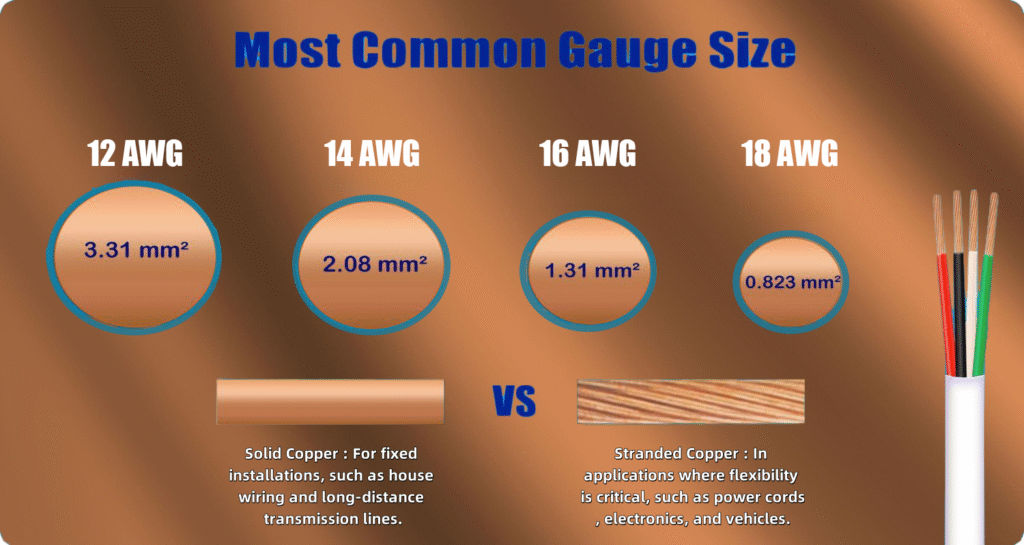
Choosing the correct wire gauge isn’t just about compliance, it’s about safety and efficiency.
If the wire is too small for the current load:
- It can overheat and cause fires.
- It increases resistance, wasting energy.
- It leads to voltage drops, affecting device performance.
In systems requiring high amperage like electric vehicles, industrial machinery, or large generators knowing what gauge wire for 300 amps prevents costly damage and ensures smooth performance.
Proper gauge selection also extends the lifespan of your electrical systems, maintaining stable voltage and current flow under demanding conditions.
Conclusion
From ancient copper strands to today’s smart superconductors, wire continues to be the foundation of human innovation. It powers our homes, fuels industries, and connects billions across the globe through invisible networks of energy and information.
Understanding what gauge wire for 300 amps symbolizes a broader appreciation of how deeply wire influences safety, sustainability, and progress. Whether carrying current in a solar farm, running through a skyscraper, or powering a data center, every wire tells a story of connection between people, technology, and the planet.
As the world advances toward renewable energy, electric mobility, and smart infrastructure, wire will remain an enduring symbol of human ingenuity. Its evolution from simple metal to intelligent material mirrors our journey toward a more connected, efficient, and sustainable world.
FAQs
1. What gauge wire is needed for 300 amps?
You’ll need 250 ,300 MCM copper wire or 350 ,400 MCM aluminum wire, depending on distance and voltage.
2. Can I use aluminum wire for 300 amps?
Yes, but use a larger gauge than copper to handle the same current safely.
3. Does wire length affect gauge size?
Yes. Longer distances require thicker wire to reduce voltage drop and overheating.
4. What happens if the wire is too small?
Undersized wire can overheat, waste power, or cause fire hazards.
5. Which insulation is best for 300-amp wire?
Use THHN or XHHW insulation for heat and moisture resistance in heavy-duty applications.
Keep an eye for more latest news & updates on Techzloop!