Wire — a simple strand of metal — has silently powered every leap of human progress. From the first sparks of civilization to the global digital age, wire remains the unseen hero of connection, energy, and innovation. It forms the veins of modern infrastructure, enabling electricity to flow through homes, industries, and cities, while also symbolizing our deeper drive to connect — to transmit power, data, and ideas.
When people ask, “What size wire for 100 amps?” they’re not just asking a technical question; they’re touching the very foundation of electrical engineering and progress. This inquiry opens a fascinating window into how wire shapes the future of energy, communication, and sustainability.
Origins: How Ancient Civilizations Discovered the Potential of Wire
Wire’s story begins thousands of years ago. Ancient Egyptians and Mesopotamians crafted early forms of copper wire for jewelry, tools, and primitive devices. These early artisans unknowingly laid the groundwork for one of humanity’s most transformative inventions.
By the time of the Roman Empire, metalworking had advanced enough to produce thin, continuous strands of metal — precursors to modern electrical wire. Yet it wasn’t until the 19th century that wire took on a new identity — as a medium for electricity and communication. The invention of the telegraph, telephone, and electric lighting all relied on the humble copper wire, transforming it into the nervous system of an industrializing world.
Revolution: Industrial and Electrical Breakthroughs That Changed History
The Industrial Revolution redefined the purpose of wire. In the late 1800s, inventors like Thomas Edison and Nikola Tesla brought electricity to life, sparking the greatest technological transformation in history. Power lines stretched across continents, connecting communities and enabling industries to thrive.
Copper became the metal of choice for its superior conductivity and malleability, while aluminum later emerged as a lighter, more cost-effective alternative for large-scale transmission. As factories, homes, and cities electrified, wire became the universal link between invention and reality — a silent but vital force that made modern life possible.
Types & Technologies: From Copper and Aluminum to Fiber Optics and Graphene
Copper and Aluminum: The Classic Conductors
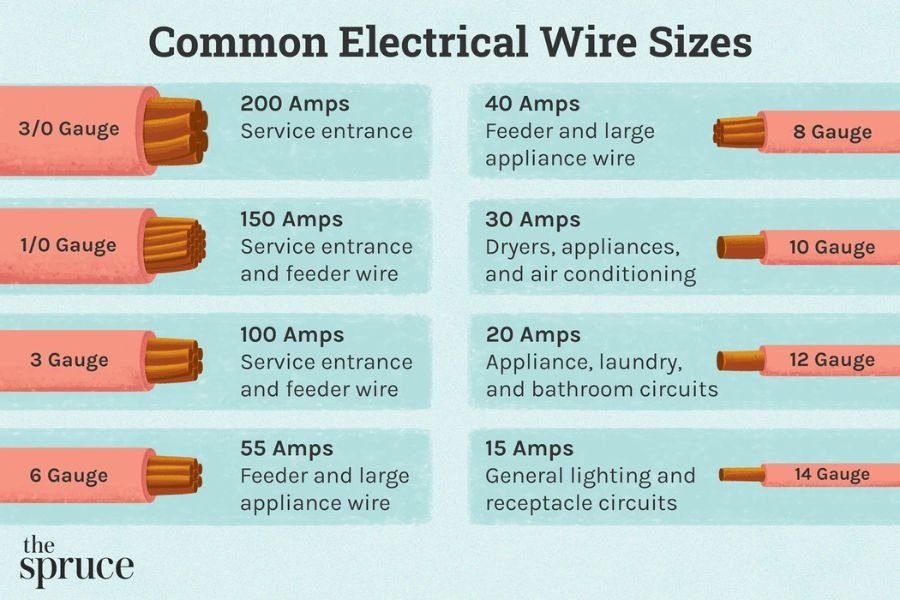
Copper remains the gold standard for electrical wiring, prized for its high conductivity and durability. For a 100-amp circuit, engineers typically recommend #4 AWG copper wire or #2 AWG aluminum wire, depending on the application and distance. These specifications ensure safety, efficiency, and minimal energy loss.
Aluminum, though slightly less conductive, offers lightweight advantages, especially in long-distance power transmission. Both materials represent the careful balance between performance, cost, and practicality that defines modern electrical engineering.
Fiber Optics: The Wire of Light
As the digital age dawned, a new kind of “wire” emerged — one that carried not electrons, but photons. Fiber-optic cables, made of glass or plastic strands, transmit data at the speed of light. They form the backbone of global communication networks, linking continents through vast undersea cables and powering the internet’s endless flow of information.
Graphene and Superconductors: The Future Frontier
In laboratories worldwide, scientists are reimagining wire using cutting-edge materials like graphene, an ultra-thin sheet of carbon with remarkable electrical properties, and superconductors, which can carry current with zero resistance. These innovations promise to revolutionize energy transmission, computing, and quantum technology — potentially ending the era of wasted electricity.
Modern Applications: How Wire Powers Innovation Across Industries
From powering homes to launching satellites, wire remains central to nearly every modern system.
- Energy and Infrastructure: High-voltage transmission lines distribute electricity to billions of people, while underground cables keep cities alive and illuminated.
- Transportation: Electric vehicles, trains, and aircraft depend on advanced wiring systems for propulsion, control, and communication.
- Communication: From fiber-optic internet to 5G networks, wires enable instantaneous global connection.
- Medicine: In hospitals, fine conductive threads link life-saving machines and transmit data between sensors and systems.
- Space Exploration: Every spacecraft is a web of precision-engineered wires, carrying signals and power across the vacuum of space.
In essence, wire doesn’t just transmit energy — it transmits possibility.
Sustainability & Future Trends: Smart Materials, Eco-Wires, and Recycling
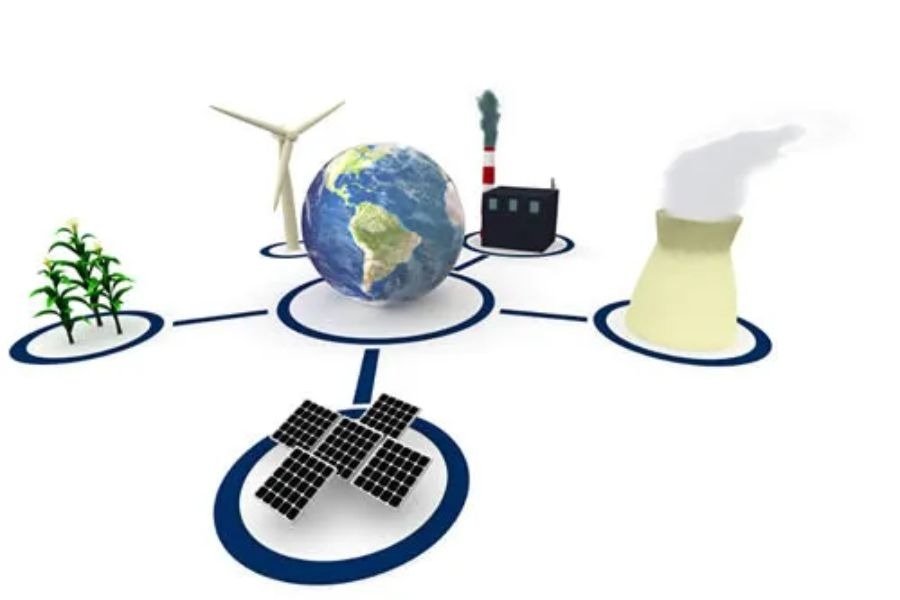
As the world transitions to cleaner energy and smarter technologies, wire manufacturing and usage are evolving toward sustainability.
Eco-Friendly Production
Modern manufacturers are adopting recyclable insulation materials and low-carbon production methods to reduce environmental impact. Copper and aluminum — both 100% recyclable — are being recovered at record rates, fueling a circular economy in the energy sector.
Smart and Self-Healing Wires
Engineers are developing smart wires that can monitor electrical flow, detect faults, and even repair themselves using nano-material coatings. These innovations are critical for next-generation power grids, smart cities, and renewable systems like solar and wind.
The Quantum Leap
In the coming decades, quantum computers and superconducting networks may redefine how we think about wiring altogether. Instead of conducting electricity through resistance, future systems could operate in a state of perfect efficiency — no heat, no loss, just pure flow.
Conclusion
From ancient copper coils to fiber-optic highways and graphene nanowires, the evolution of wire mirrors the story of human progress. Every strand connects not just circuits, but civilizations — transmitting power, knowledge, and imagination across time and space.
When you ask “What size wire for 100 amps?” you’re engaging with more than an engineering detail; you’re touching the pulse of modern innovation. Wire remains the bridge between human ingenuity and the energy that drives it — a timeless symbol of connection, progress, and the boundless potential of our electrified world.
FAQs
1. What size wire is needed for a 100-amp circuit?
Typically, a 100-amp circuit requires #4 AWG copper wire or #2 AWG aluminum wire for safe and efficient power flow.
2. Why is copper preferred for electrical wiring?
Copper offers excellent conductivity, durability, and resistance to corrosion, making it ideal for most electrical systems.
3. How has wire technology evolved over time?
From ancient handcrafted copper strands to today’s superconductors and fiber optics, wire has continuously evolved to meet modern demands.
4. What role does wire play in modern innovation?
Wire powers everything from communication networks and electric vehicles to renewable energy and space exploration.
5. Are fiber-optic cables considered wires?
Yes — though they transmit light instead of electricity, fiber-optic cables are modern “wires” that enable high-speed data transmission.
6. How is wire manufacturing becoming more sustainable?
Manufacturers now use recyclable materials, eco-friendly insulation, and energy-efficient production methods to reduce environmental impact.
7. What are smart or self-healing wires?
These are advanced conductors that can monitor performance, detect faults, and automatically repair minor damage using nanomaterials.
8. What does the future of wire technology look like?
Future wires may include superconductors and graphene-based materials that deliver electricity with zero resistance and no energy loss.
Keep an eye for more latest news & updates on techzloop.com!