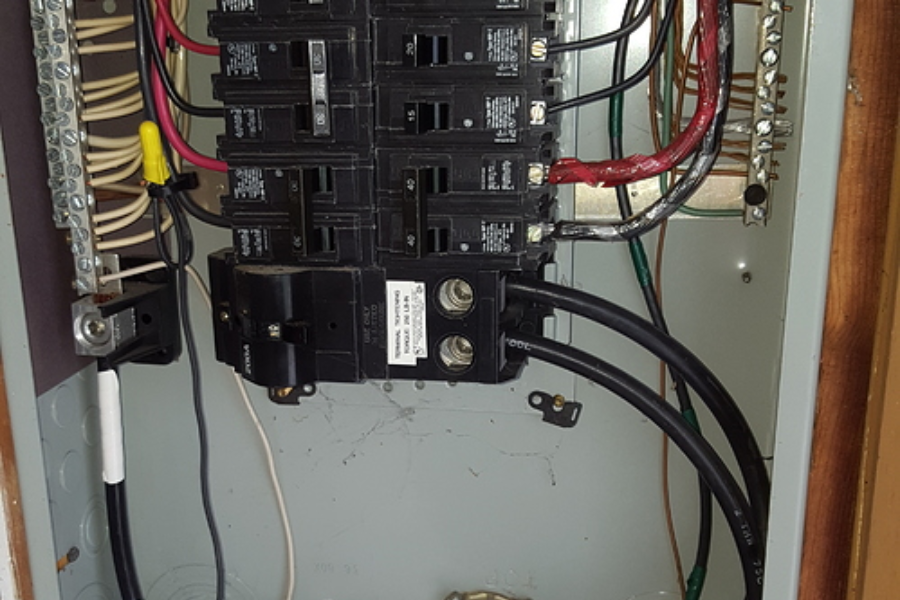
Determining the correct wire size for a 200 amp service is one of the most important steps in electrical system design. A 200 amp system provides the power needed for modern homes, large appliances, HVAC units, and heavy equipment. The wire must be capable of carrying high current safely and without overheating. While this seems like a simple technical question, it opens the door to a much larger understanding of wire technology—how it has evolved, how it supports global infrastructure, and why it remains essential to modern innovation.
The Evolution of Wire Technology Through History
Wire technology began thousands of years ago when ancient civilizations shaped gold and copper into thin strands for art and tools. The discovery of electricity transformed wire into a powerful tool for transmitting energy and communication.
During the Industrial Revolution, wire manufacturing advanced rapidly. Copper became the preferred conductor for electrical applications due to its exceptional conductivity. Insulation also improved, moving from cloth and rubber to modern polymers designed to withstand heat, moisture, and chemicals.
Today, wire is engineered for maximum performance across different industries. From electrical power grids to telecommunications and automotive engineering, wire technology continues to evolve. Its development mirrors the growth of human innovation and the creation of a globally connected world.

Types of Wires Used in High-Amperage Electrical Systems
A 200 amp service requires heavy-duty conductors capable of safely carrying large amounts of current. The most common wire types include:
• Copper wire – Known for high conductivity and exceptional durability
• Aluminum wire – Lightweight and cost-effective, widely used in service entrances
• Copper-clad aluminum – A hybrid option offering improved performance over plain aluminum
Recommended wire sizes for a 200 amp service are:
• 2/0 copper wire
• 4/0 aluminum wire
These sizes ensure safe operation with minimal heat buildup and voltage drop. Different insulation types such as THHN, XHHW, and USE-2 are chosen based on the installation environment, whether indoors, outdoors, or underground.
The Science of Conductivity and Material Performance
Conductivity determines how easily electricity flows through a material. Copper carries electricity with low resistance, making it ideal for high-load applications. Aluminum is less conductive but lighter and more affordable, requiring a thicker gauge to carry the same current.
For example, aluminum must be sized at 4/0 AWG to handle 200 amps, while copper can do the job with 2/0 AWG. These differences reflect the scientific principles behind resistance, temperature rise, and current flow.
Other factors that affect wire performance include:
• Temperature ratings
• Wire length
• Voltage drop
• Installation environment
Understanding these principles is necessary for designing safe and efficient electrical systems.
Innovations Shaping the Future of Wiring
Wire technology is constantly advancing to meet the demands of modern infrastructure. Some of the most significant innovations include:
• Fiber optic cables for ultra-fast data transmission
• Superconducting wires with near-zero resistance
• Smart wires with built-in sensors to detect faults and temperature changes
• High-heat insulation materials for aerospace and industrial use
• Lightweight aluminum alloys for long-distance power transmission
These innovations demonstrate how wire technology continues to support global development and technological progress.
Environmental Concerns and Sustainable Wire Production
Wire production involves mining, energy use, and waste, making sustainability a growing priority. Manufacturers are adopting environmentally friendly practices such as:
• Using recycled copper and aluminum
• Reducing emissions in manufacturing processes
• Creating halogen-free, low-smoke insulation materials
• Designing recyclable polymers for insulation and cable jackets
As renewable energy systems expand worldwide, wire technology plays a crucial role in supporting clean and efficient power distribution. Sustainable wire production ensures that progress remains environmentally responsible.
Conclusion
Choosing the correct wire size for a 200 amp service is essential for performance and safety. Using 2/0 copper or 4/0 aluminum ensures that the electrical system runs efficiently without overheating. This decision reflects a deeper truth: wire technology supports every part of modern life—from powering homes to enabling global communication.
As innovation accelerates, wiring remains a quiet but powerful force behind progress. Advances in materials, sustainability, and engineering ensure that wired systems remain strong, efficient, and ready for the future.
FAQs
What size wire is recommended for a 200 amp service?
A 200 amp service typically requires 2/0 copper wire or 4/0 aluminum wire.
Can I use copper-clad aluminum for a 200 amp service?
Yes. Copper-clad aluminum can be used, but it must meet NEC standards and is usually sized like aluminum wire.
Does wire length affect wire size for 200 amps?
Yes. Longer distances cause voltage drop and may require a larger wire size.
Is copper better than aluminum for a 200 amp service?
Copper is more conductive and durable, while aluminum is lighter and more affordable. Both are safe when installed properly.
Can I install a 200 amp service myself?
No. This work requires professional installation and must meet strict electrical codes.
Does underground wiring require special insulation?
Yes. Underground wires must be rated for direct burial, such as USE-2 or URD cable.
Can I upgrade from 100 amp to 200 amp with existing wires?
No. Upgrading requires new service entrance wires, a new panel, and a compatible meter base.
What appliances need a 200 amp service?
Homes with electric HVAC systems, EV chargers, large appliances, or workshops benefit from a 200 amp service.
How does temperature affect wire capacity?
High temperatures reduce a wire’s current carrying ability, which may require upsizing.
Why is grounding important in a 200 amp installation?
Proper grounding stabilizes voltage and protects against electrical faults.
Can I use 3/0 aluminum instead of 4/0 for 200 amps?
No. 3/0 aluminum is not rated for a full 200 amp load; 4/0 is required for safety.
Is it possible to use THHN wire for 200 amp service?
Yes, THHN can be used for conduit installations, but sizing must still follow NEC requirements.
Can a 200 amp service handle EV charging stations?
Yes. Many EV chargers require 40–80 amps, which a 200 amp service easily supports in most homes.
Is it safe to use SER cable for a 200 amp service?
Yes. SER cable can be used for a 200 amp service in above-ground installations, as long as it is sized correctly (typically 4/0 aluminum). It cannot be buried underground unless run inside conduit.
How far can I run 4/0 aluminum wire for 200 amps?
In most cases, 4/0 aluminum can run up to about 150–200 feet before voltage drop becomes a concern. Longer distances may require upsizing the wire or adding voltage drop calculations.
Do I need a 200 amp meter base for a 200 amp service?
Yes. The meter base must match the service rating. A 200 amp service requires a 200 amp–rated meter socket approved by your local utility.
Can I use flexible conduit for a 200 amp wire installation?
Yes, flexible conduit can be used in certain areas, but many electricians prefer rigid or EMT conduit for main service entrances due to durability and code requirements.
Does a 200 amp panel always require a main breaker?
Most modern 200 amp panels have a built-in main breaker, but some setups—like meter-main combinations or certain subpanel configurations—may be arranged differently depending on local codes.
Keep an eye for more latest news & updates on techzloop!