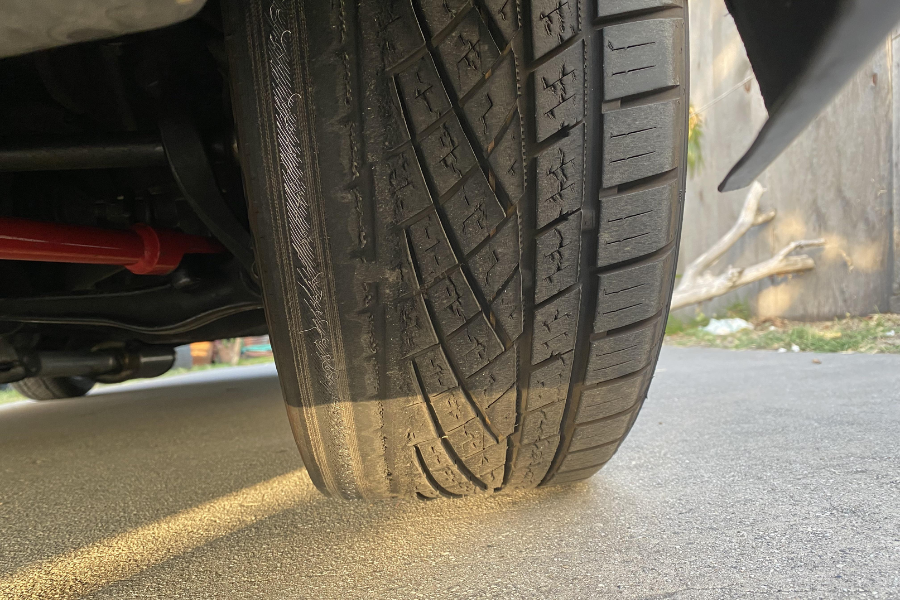
When wires on a tire begin to show, it signals a severe level of wear and an immediate safety risk. The steel or synthetic wires embedded within a tire are designed to reinforce its structure, maintain shape, and provide durability under heavy loads and high speeds. When these wires become visible, the outer layers of rubber have completely worn away. This practical automotive issue leads us into a broader discussion about wires in general—how they’ve shaped transportation, powered global communication, and contributed to the advancement of modern technology and infrastructure.
The Long Evolution of Wire Technology
Wire has played a central role in human innovation since ancient civilizations first shaped copper and gold into thin strands for tools and jewelry. As society advanced, wire’s purpose evolved dramatically. During the Industrial Revolution, the demand for electrical wire surged as electricity became a driving force behind machinery, lighting, and communication systems.
In the automotive world, wire technology took on new meaning. Modern tires now integrate steel belts and woven wire layers to enhance performance, improve road handling, and withstand extreme conditions. This evolution—from hand-drawn metal strands to high-strength industrial wires—reflects a deeper technological journey. Wire has become essential across industries, aiding in energy transmission, electronics manufacturing, telecommunications, aerospace innovation, and countless modern applications.

Different Types of Wires Used in Tires and Industry
A tire includes several types of wire components designed for strength and safety:
• Steel belts beneath the tread that support high-speed stability
• Bead wires that help the tire grip the wheel rim
• Reinforcement wires woven into the internal layers for durability
These wire elements give the tire rigidity, prevent deformation, and enhance grip. When the wires begin to show, the tire loses structural integrity, making it unsafe to drive.
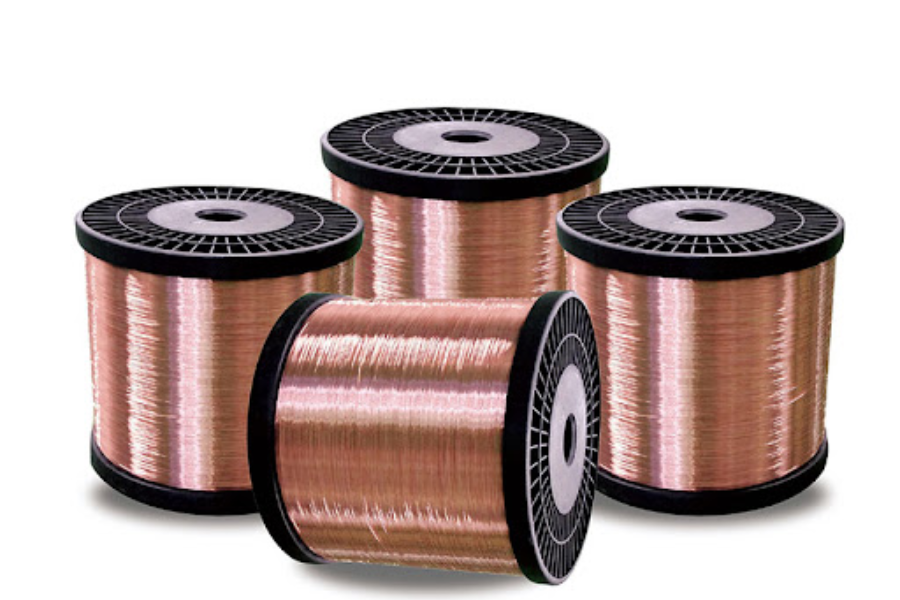
In other industries, wires take on different forms and purposes. Copper and aluminum wires transmit electrical power. Fiber optic cables carry data using light, enabling fast global communication. High-tensile wires support construction materials, bridges, and elevators. Each application demands a precise combination of strength, conductivity, flexibility, and insulation. Modern engineering allows wires to be customized for extreme temperatures, high voltage, corrosion resistance, or mechanical pressure—showcasing their versatility and importance.
The Science of Conductivity and Material Strength
Wires are engineered using materials with specific electrical or mechanical properties. While tire wires are made of steel for structural support, electrical wires rely on copper or aluminum for efficient conductivity. Conductivity refers to a material’s ability to allow electron flow, which determines how well it transports electrical current.
Steel wires in tires are designed for strength rather than electrical flow. They resist deformation and provide the tire with its form and resilience. These wires undergo processes like heat treatment and coating to prevent corrosion and increase durability.
Electrical wires, on the other hand, focus on conductivity and insulation. Copper offers high conductivity and flexibility, making it ideal for household and industrial wiring. Aluminum, being lighter and more affordable, is used in large-scale power transmission. Insulation materials such as PVC, Teflon, and silicone protect wires from heat, moisture, and environmental exposure.
Both structural and electrical wires demonstrate the importance of matching materials to performance needs—whether absorbing road impact in tires or delivering power across vast distances.
Innovations Driving the Future of Wire Technology
Wire innovation continues to shape modern industries. Tire technology is advancing with more durable steel cords, synthetic fiber reinforcements, and heat-resistant compounds designed to extend tire lifespan and improve safety. Engineers also explore new bonding technologies that prevent separation between rubber layers and internal wires.
Beyond tire construction, wire innovation is transforming global communication and energy systems. Fiber optic cables remain one of the most groundbreaking advancements, using light instead of electricity to transmit information rapidly and with minimal interference. Superconducting wires represent another step forward, offering near-zero electrical resistance and enabling efficient power distribution, magnetic levitation, and advanced medical imaging.
Smart materials and AI-integrated wires are emerging in automation and robotics. These materials can self-monitor temperature, detect faults, and adapt to changes, ensuring greater reliability and safety. As industries adopt renewable energy and smart infrastructure, wire technology will continue evolving to meet the demands of sustainability and high-performance connectivity.
Environmental Impacts and Sustainable Wire Production
Wire production, whether for industrial use or tire reinforcement, has environmental implications. Mining metals like copper, iron, and aluminum requires significant energy and water resources. Traditional insulation materials often rely on fossil fuels and may generate long-lasting waste.
To address these concerns, industries are shifting toward eco-friendly practices. Recycled metals are becoming more common in wire production, reducing the environmental burden of mining. Biodegradable or recyclable insulation materials are replacing traditional plastics, lowering pollution and energy consumption.
Tire manufacturers are also embracing sustainability by using recycled steel cords, natural rubber blends, and environmentally friendly manufacturing techniques. Proper recycling of old tires prevents steel belts from ending up in landfills and helps reclaim valuable materials. These changes reflect a broader initiative toward reducing waste and building greener global infrastructure.
Conclusion
When wires are visible on a tire, it is not simply a sign of wear—it is a warning that the structural integrity of the tire has been compromised and must be addressed immediately. This visible failure underscores the invisible importance of wires across all industries. From supporting vehicle safety to powering modern communication networks, wire technology remains the backbone of progress.
As innovation moves forward, the advancement of wire materials, design, and sustainability will continue to influence how we build, communicate, and travel. The exposed wires on a worn-out tire remind us that even the strongest materials have limits, and maintaining them is crucial for safety and efficiency. Wire technology will always be at the center of global development, connecting the world through strength, structure, and innovation.
FAQs
Why are wires showing on my tire?
Wires become visible when the rubber tread and internal layers wear away completely, exposing the steel belts underneath. This indicates extreme tire wear and requires immediate replacement.
Is it safe to drive with wires showing on a tire?
No. Driving on a tire with exposed wires is extremely dangerous and can cause a blowout, loss of control, or serious accidents.
What causes tire wires to show early?
Common causes include underinflation, misalignment, overloading, poor-quality tires, aggressive driving, or failure to rotate tires regularly.
Can exposed steel belts damage the car?
Yes. Exposed wires can lead to uneven contact with the road, causing vibration, suspension wear, or damage to the wheel rim.
How can I prevent tire wire exposure?
Check tire pressure regularly, rotate tires every 5,000–7,000 miles, ensure proper alignment, avoid overloading, and replace aging tires before they reach unsafe wear levels.
Can potholes or road damage cause wires to show on a tire?
Yes. Hitting deep potholes, sharp objects, or debris can cause sudden tread separation or internal damage, which may expose the steel belts even if the tire still has some tread left.
Do all tires have wires inside them?
Most modern radial tires include steel belts and bead wires for strength and durability. Some specialty tires may use synthetic fiber reinforcements instead, but steel wire construction is standard for passenger vehicles.
How quickly should I replace a tire once wires are visible?
Immediately. A tire showing wires is considered unsafe and should not be driven on at all. Replace it before using the vehicle again to avoid blowouts or accidents.
Keep an eye for more latest news & updates on Techzloop!